


Let's find out about the new influenza!
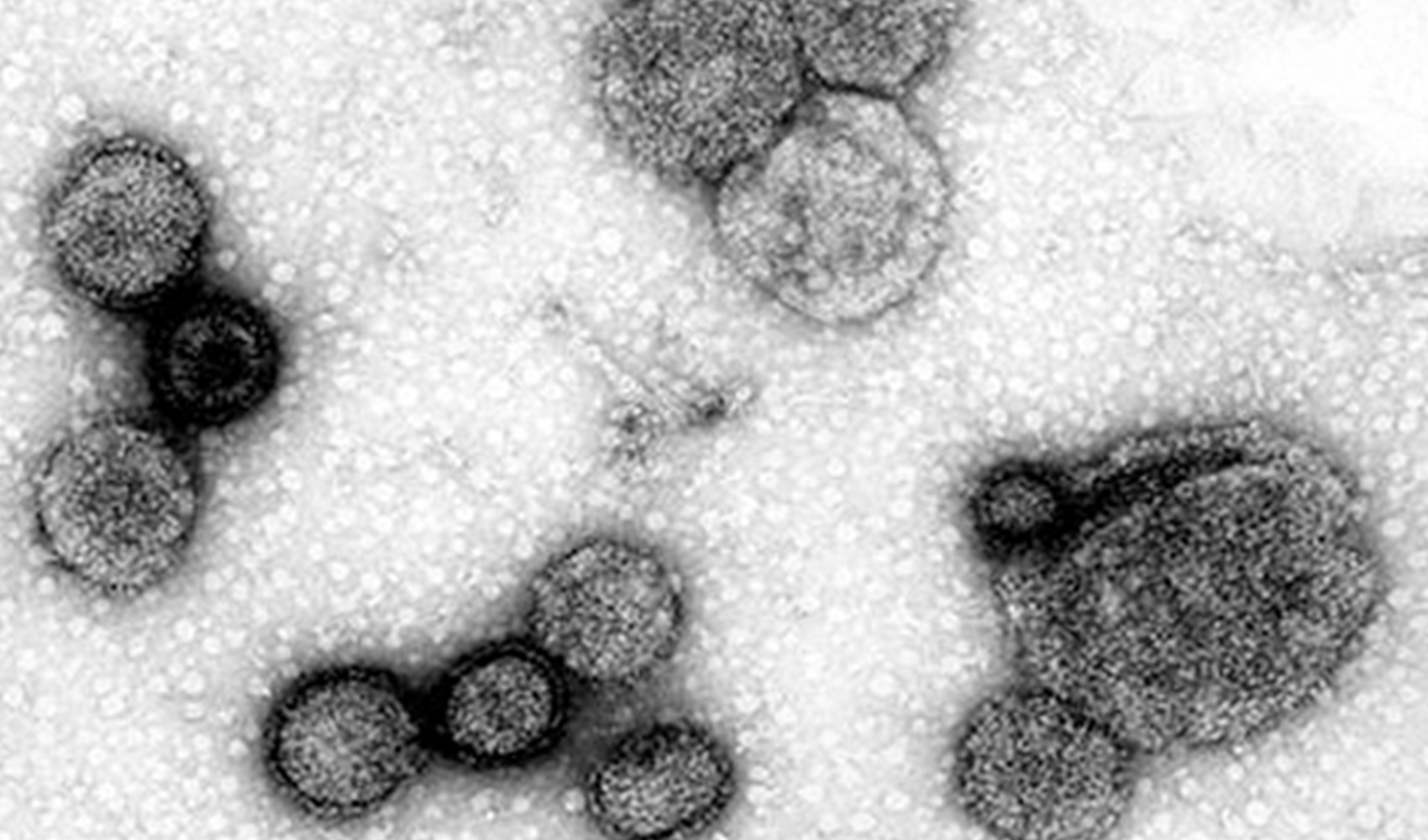
In December 2008, an earlier-than-usual influenza pandemic was announced. This winter, in addition to the annual influenza pandemic, there are also concerns about the spread of a new type of influenza, which is more virulent than previous influenza strains. Let's find out what the new influenza is, its occurrence, and how to prevent it.
Influenza is not the same as a cold
Every winter, the influenza pandemic occurs in many parts of the country. Influenza infection can cause a fever of 38 degrees or higher, headache, joint pain, muscle aches, and other symptoms that can be fatal. Many people think of the flu as a severe form of the common cold, but this is a mistake. There is a difference between the flu and a cold. Influenza is caused by an invisible microorganism called the influenza virus that enters the body and causes a variety of symptoms. A cold is also caused by a virus, but the type of virus is different. A cold often causes a runny nose, sneezing, coughing, etc., and rarely causes a high fever, so the symptoms are mild compared to influenza.
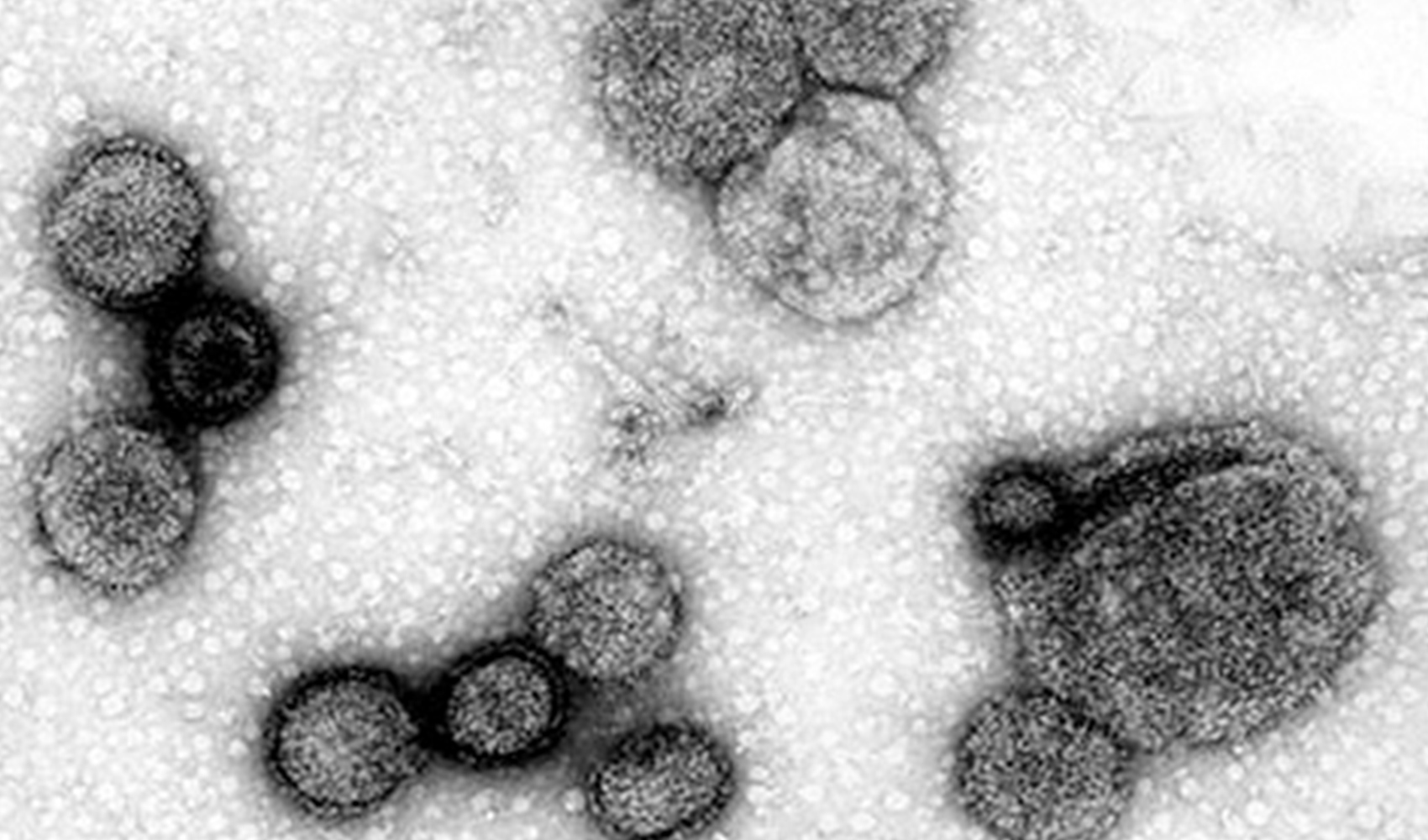
Courtesy of National Institute of Infectious Diseases.
Very dangerous new influenza virus
There are three types of influenza viruses: type A, type B, and type C. Type A is a very dangerous type that can spread worldwide. Influenza A is a highly dangerous type that can spread throughout the world. Also, influenza viruses change little by little every year, so once you have had influenza once, it does not mean you will never have it again. However, once you have been exposed to the flu virus, your body will try to rid itself of the flu virus (called immunity), so you are less likely to develop severe symptoms.
A new strain of influenza is caused by a virus that was not previously available. Because people do not have immunity to new strains of influenza, symptoms can be severe, and when an outbreak occurs around the world, it can cause many deaths. The Spanish flu of 1918, the Asian flu of 1957, and the Hong Kong flu of 1968 were all new strains of influenza, especially the Spanish flu, which is said to have affected over 500 million people and killed 80 million at a time when the world population was 1.8 billion. It is said that more than 500 million people were affected and 80 million people died.
Avian influenza virus turns into a new influenza virus.
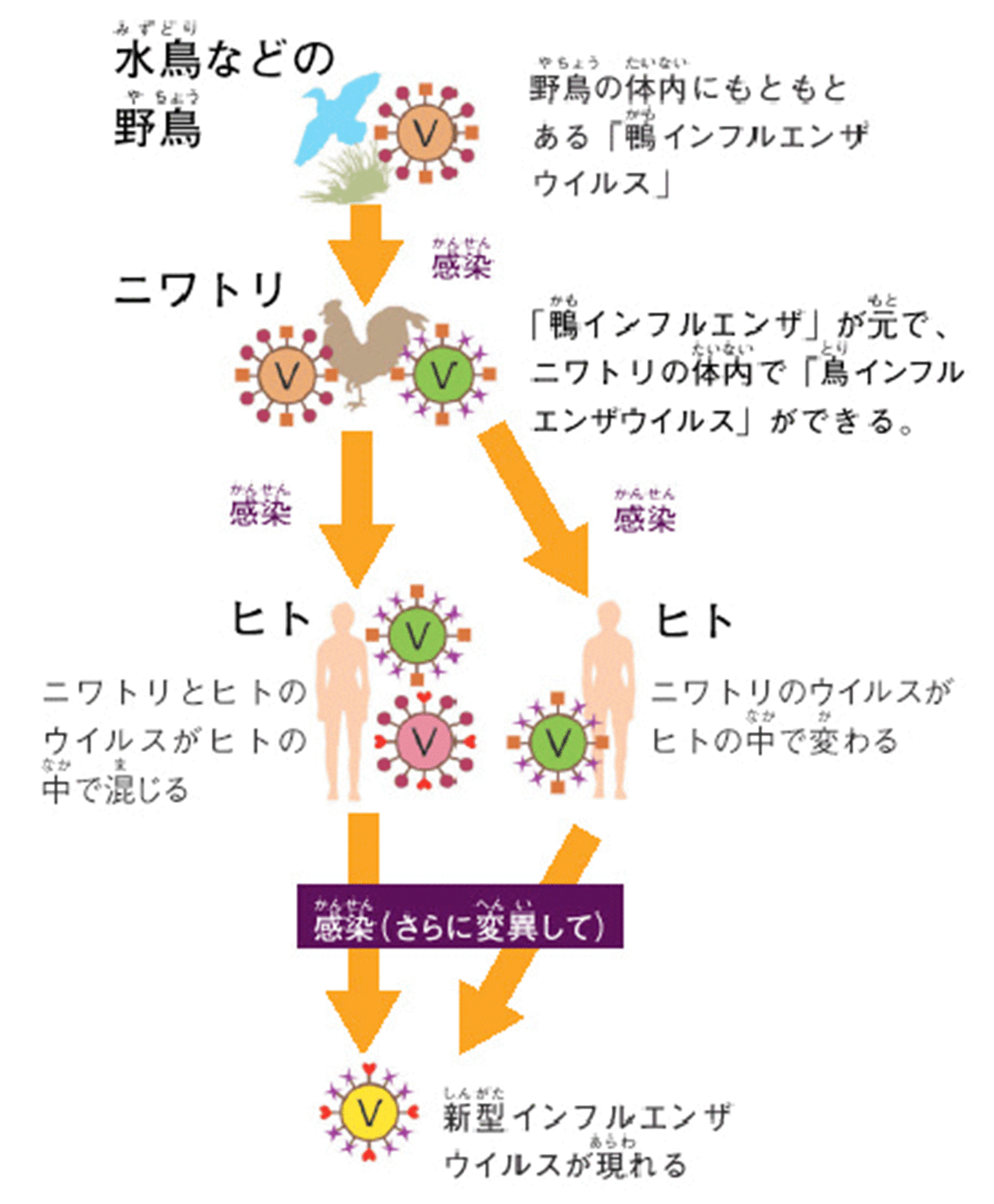
What is the nature of the new influenza that is currently causing pandemic concern? In recent years, there have been outbreaks of avian influenza in many parts of the world. Avian influenza is an avian influenza that causes mild symptoms in wild birds, but severe symptoms in chickens and other birds. In Japan, avian influenza has been affecting chickens since January 2004, killing a large number of chickens.
The avian influenza virus that caused the outbreak, the H5N1 virus, was thought to spread from bird to bird and not to humans. However, in 1997, the H5N1 strain was found to have spread to humans in Hong Kong.
Influenza viruses change their properties as they spread among organisms, and the H5N1 virus also changes from bird to bird and bird to human, and there is a risk that it may change so that it can be easily passed from human to human. In fact, cases of human-to-human transmission have been reported in Indonesia and other Southeast Asian countries. If it becomes easily transmissible from person to person, there is a high possibility that it will spread throughout the world as a new strain of influenza. If this were to happen, it is expected that many people would become seriously ill or die. Therefore, countries around the world are taking measures to prevent this from happening.
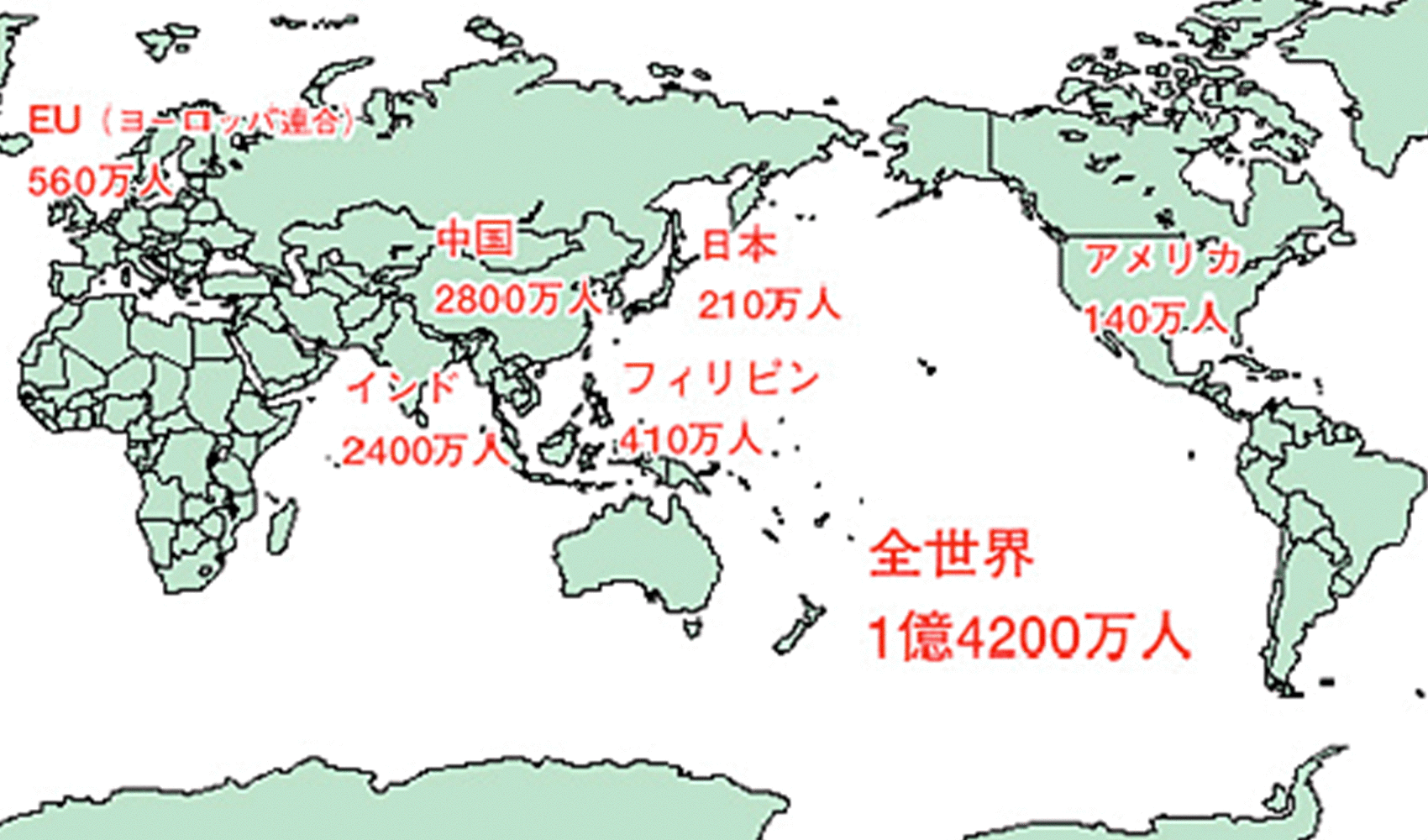
Estimated by the Lowy Institute, Australia (no data for Russia, Australia, or Africa).
May spread worldwide in a short time
If the H5N1 strain were to change so that it could be easily spread from person to person, it would spread around the world in a short time, and many people in Japan would contract influenza. A vaccine to cure the new influenza virus can only be made after a new influenza outbreak has occurred, so it will take six months to a year before a vaccine is available. Japan's Ministry of Health, Labor and Welfare estimates that 32 million people, or one-quarter of the Japanese population, will be affected by the new influenza virus, and between 170,000 and 640,000 people will die.
Solid prevention is important.
What measures should be taken to prevent new influenza strains? The most important thing is to prevent contracting a new strain of influenza. Normally, the influenza virus is released into the air when a person carrying the virus coughs or sneezes, which can then be spread to other people. Therefore, it is advisable to wash your hands and gargle after returning home from outside. It is also effective to avoid going out to crowded places and to wear a mask if you do go out. In addition, it is important to eat a well-balanced diet, drink plenty of water to build up one's strength, and try to build up one's resistance to viruses.
It is even said that the question is not whether a new influenza will happen or not, but when. We should take care of our health and be prepared.