





Why are the days so long in summer and so short in winter?
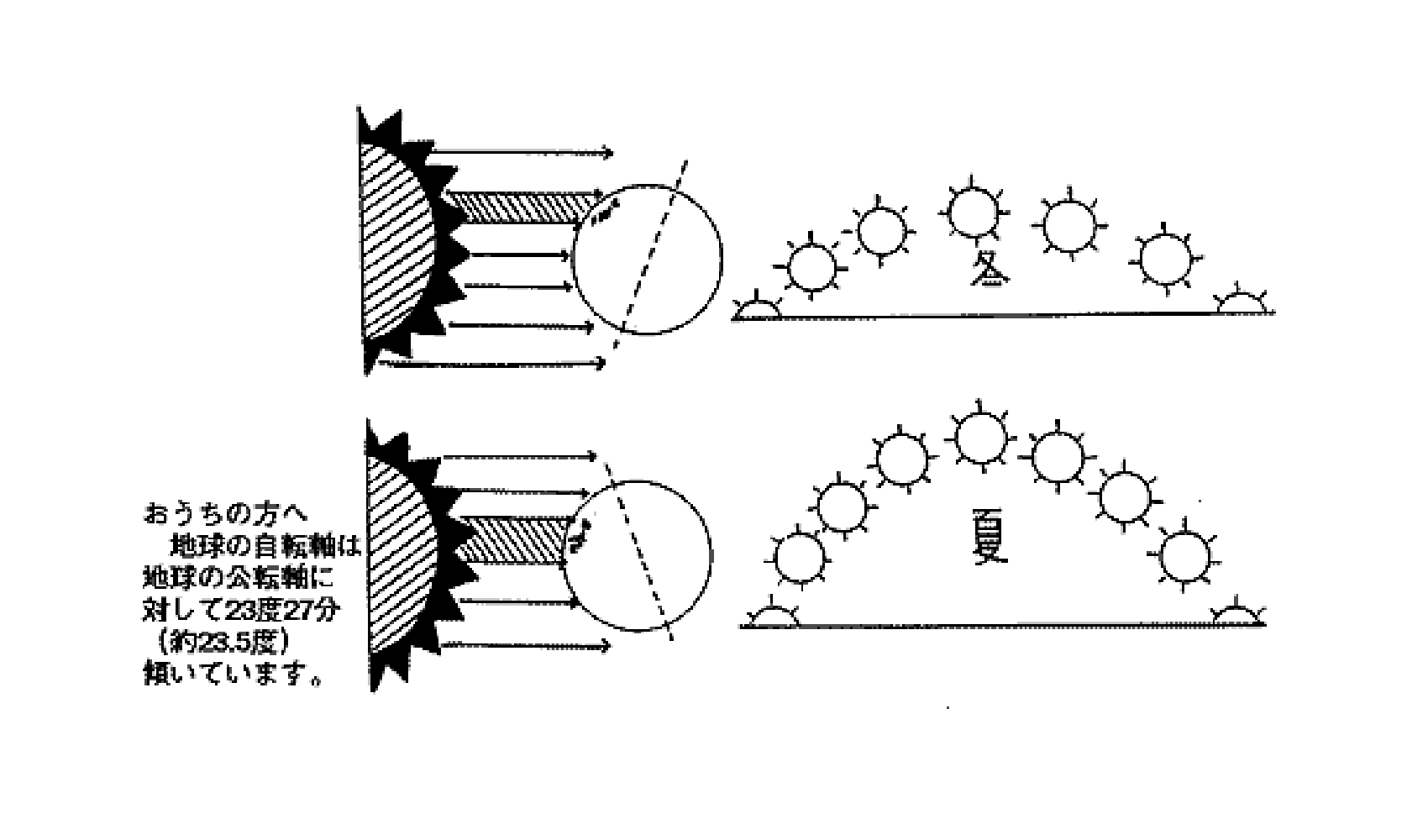
This is because the time of day when the sun is visible is different.
So why is there such a difference in the time the sun is out?
The earth rotates once a day around the north and south poles. The earth also rotates once a year around the sun while continuing its own rotation. This is called orbital rotation. These two rotations are related to the length of summer and winter days.
The earth's axis of rotation is slightly tilted relative to its orbital axis around the sun. In other words, the earth rotates around the sun with its axis slightly tilted.
If the earth were not tilted at all, the time of day and night would be the same all year round and would never change. Furthermore, there would be no seasons, and the earth would stay the same all year round.
However, because the earth is tilted, the sun shines for a longer period of time during certain seasons and for a shorter period of time during others.
In short, the fact that the length of the day differs between summer and winter, and that the earth has seasons, are all caused by the earth's orientation.