





Why is the TV on?
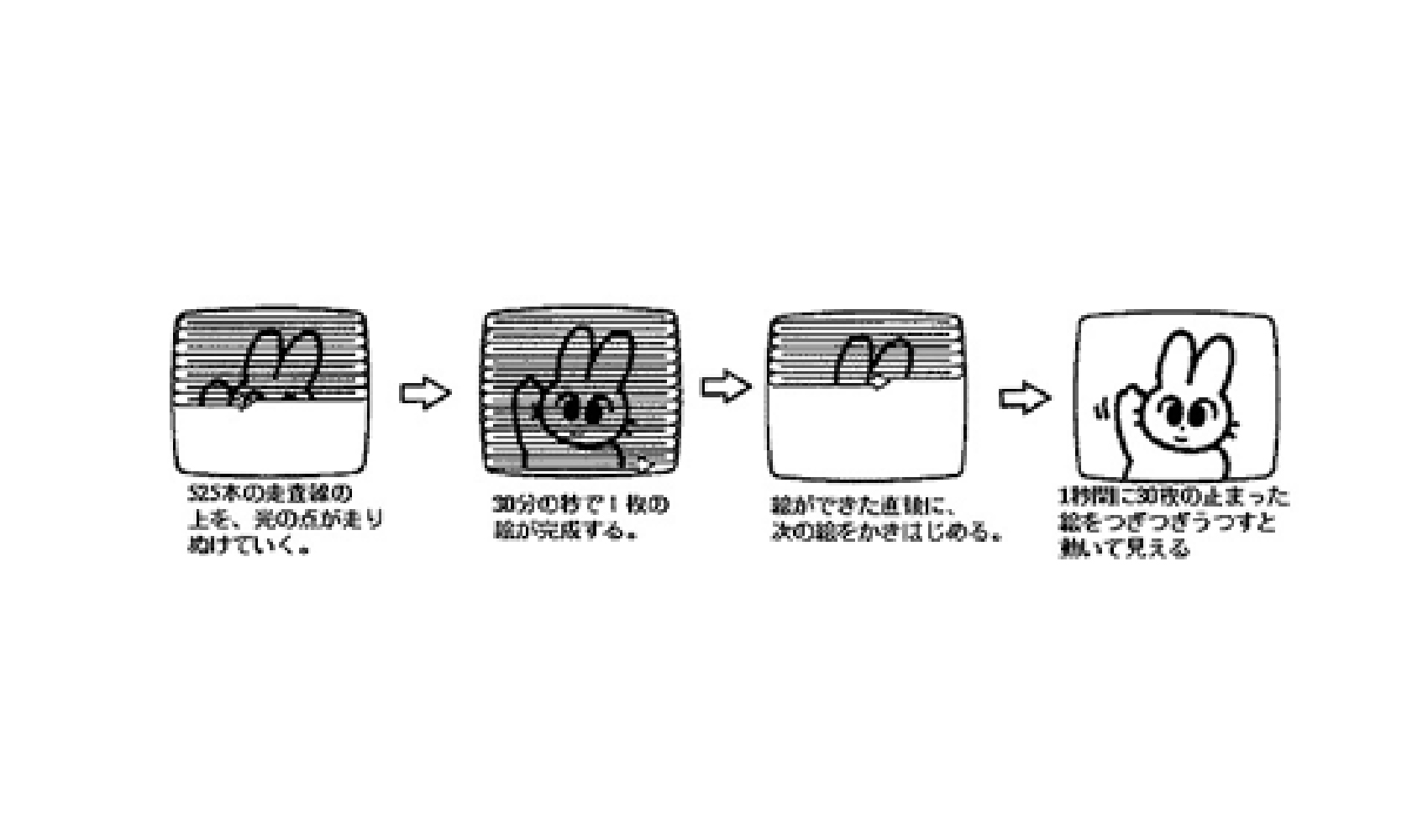
Television screens are usually transmitted over the airwaves, so it is not possible to send pictures on film as in movies and photographs.
In fact, TVs project pictures as a collection of very small dots of light.
You can see this by looking at the TV screen through a pair of magnifying glasses. The lines are made up of light and dark areas.
These lines of light on the TV screen are called scanning lines, and there are 525 of them.
In a fraction of a second, a dot of light runs across these lines. When you move a flashlight in the dark, you can see lines of light, which is similar to what you see when you move a flashlight in the dark.
When these dots of light run across the TV screen from top to bottom, we see a picture. However, this alone does not make the TV appear to move. The TV does this 30 times per second.
In other words, the TV is depicting 30 stopped pictures per second. This is the reason why a stopped picture appears to move.
For your home
The TV station converts the image projected by the TV camera into an electrical signal, which is then converted into radio waves and transmitted from the TV station's antenna. This is received by the home antenna and projected on the receiver.