





How is TV made? What is it made of?
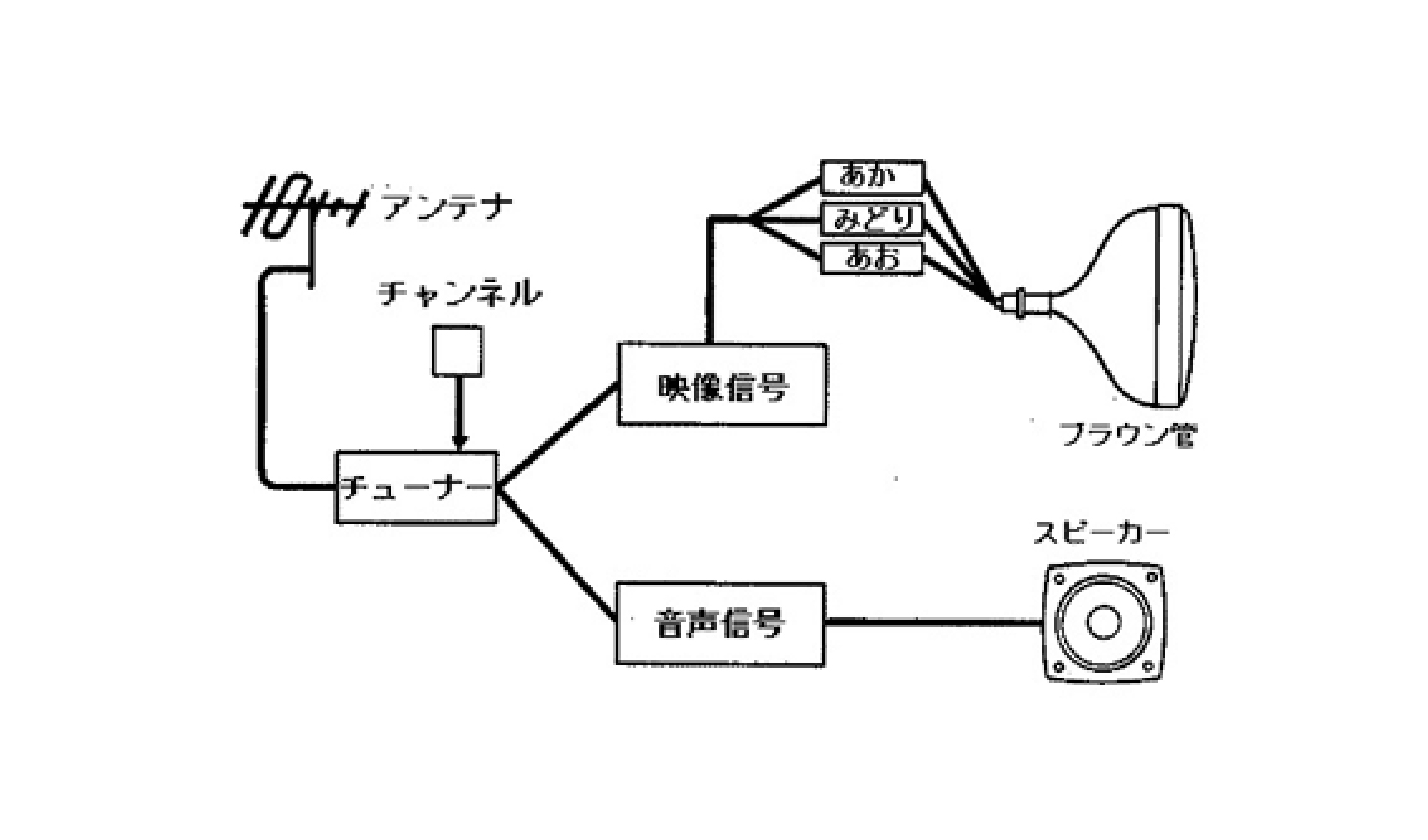
Televisions are made by assembling a very large number of components in a factory, and some of the major components are described below.
First of all, the most important component in making a TV is the screen. This is a large glass bottle-like object called a cathode-ray tube. More than half of the TV is the size of a cathode-ray tube. From the outside, the screen looks like a glass window, but it is actually a part of the cathode-ray tube.
Inside the TV, at the far end of the cathode-ray tube, there is a device shaped like a flashlight. This is an electron gun, a machine that shoots particles of electrons toward the screen. The inside of the screen is coated with a special medicine, and when the electron particles hit the screen, the area where they hit the screen glows. This is how the TV screen appears.
Other small but important components such as coils, transistors, and LSIs are connected by wires.
Assembly is done at the factory, but nowadays, a large part of the assembly can be done automatically. Of course, the parts that cannot be assembled by machines are assembled by humans. This is how televisions are made.