





Why do cars run and why do they run on gasoline?
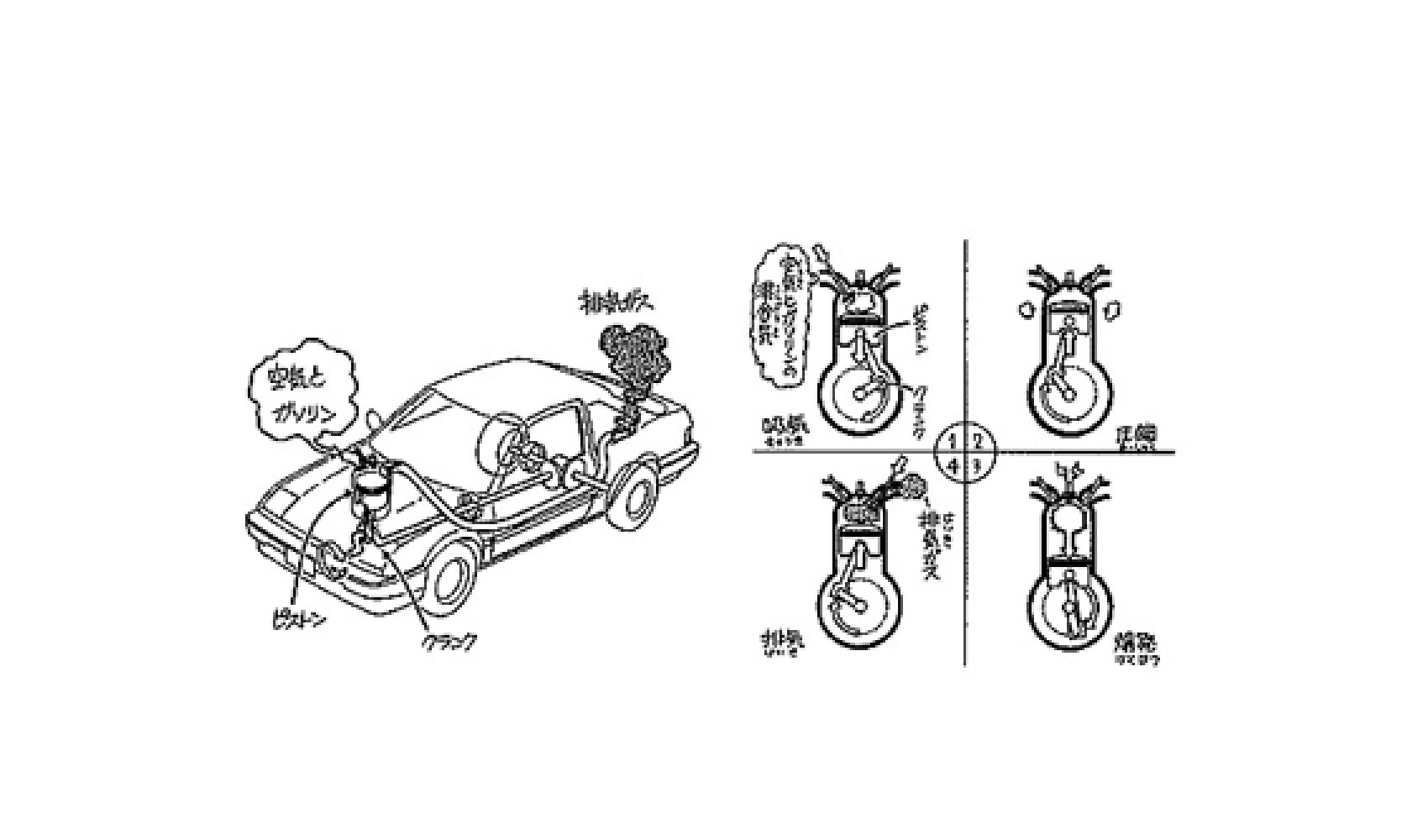
For a car to work as it should, it needs four things: the first is, of course, the driver; the second is the engine. The second is the engine, which produces the power that makes the car move. The third is the transmission, or the mechanism that transmits the engine's movement to the tires. The fourth and final component is the tires.
Connecting the above four elements, the driver first flips the engine switch and then presses the accelerator pedal to transmit the engine's motion to the tires, which in turn moves the car.
In the old days, engines used to be driven by steam, like a steam locomotive, by burning coal or wood. Today, however, gasoline engines, which are smaller and produce more power, are the norm. Gasoline is also attractive because it is considerably cheaper than other fuels.
In an engine, gasoline is used to drive a car through a series of small explosions. In other words, as gasoline explodes over and over again in the engine, it causes the piston to move up and down. This movement is collected and converted into the movement that spins the tires at the crankshaft.
For your home
In 1770, Cugnault of France ran a three-wheeled automobile powered by a steam engine, and in 1886, Benz of Germany successfully conducted a public trial of a gasoline-powered three-wheeled vehicle.