





Why do we have Hinamatsuri? Why do we display Ohinasama?
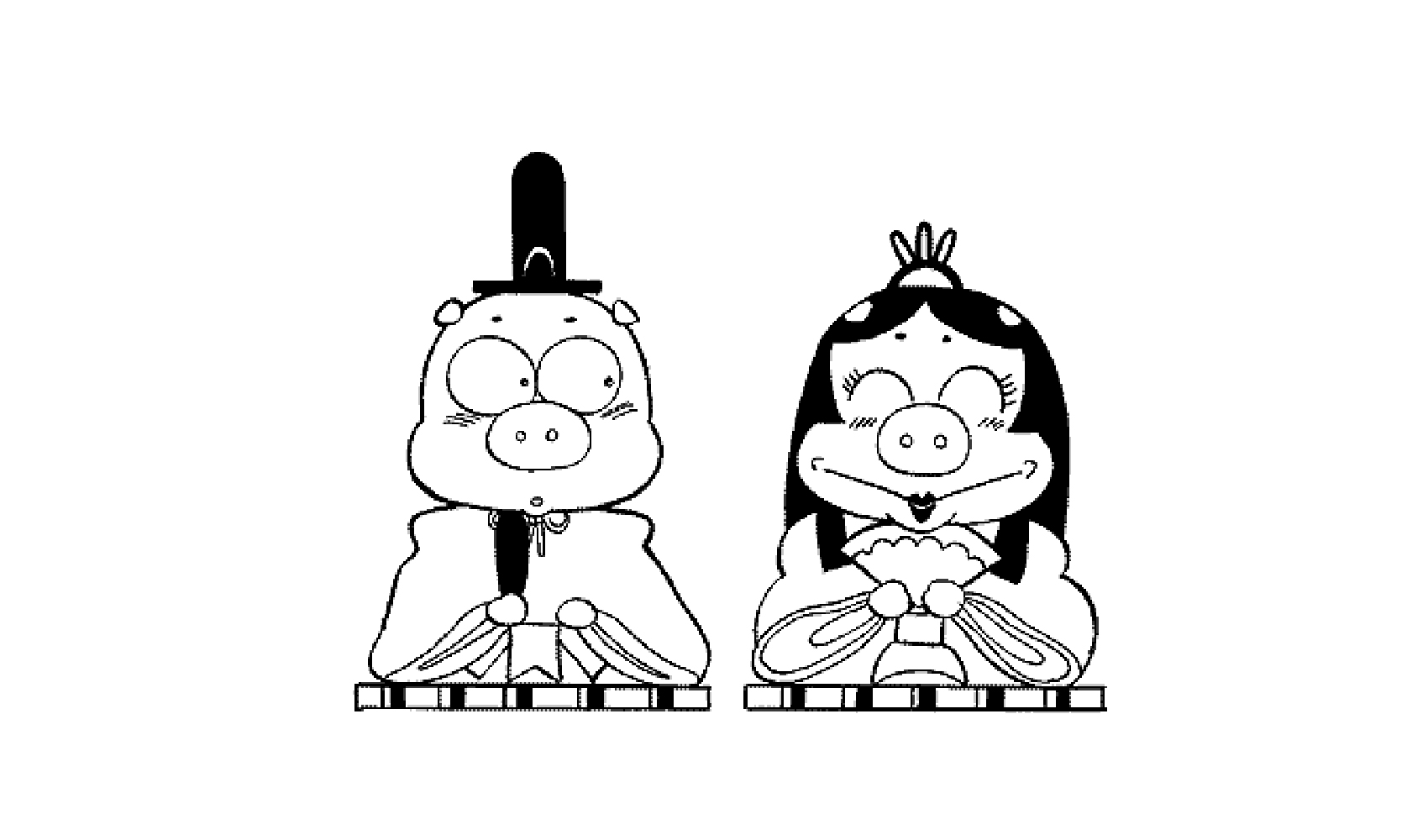
Dolls had a special meaning to people in the past. They believed that dolls were like surrogates for human beings, taking the place of human beings, injuring them, and taking responsibility for their bad deeds.
Nowadays, this way of thinking is almost unheard of. However, in Japan more than 1,000 years ago, this was a fairly common practice.
In the old days, it was common to rub the body with a doll, transfer all bad thoughts and illnesses to the doll, and then throw the doll into a river. It was believed that by doing so, people would be free from bad thoughts and illness. This was a kind of spell for people in the olden days.
The spell of throwing the doll into the river had been practiced for a long time. Later, for some reason, people began to leave the dolls in their rooms instead of throwing them into the river. This is said to be the beginning of Hina dolls.
The reason why the dolls are displayed in the room on March 3 seems to be due to a mixture of Chinese customs. In China, there was an ancient custom of making offerings on March 3. It is thought that this custom was introduced to Japan and gradually became combined with the custom of displaying dolls in the room.
Therefore, about 500 years ago, a similar event to the current Hinamatsuri was held. Later, in the Edo period (1603-1867), the current form of Hinamatsuri was developed.
If you look up Hinamatsuri, you will find that it is an event that dates back as far as 1,000 years ago. Not only Hinamatsuri, but also New Year's events and Setsubun bean-throwing are customs from the olden days that still remain today. It might be interesting to look into these customs.