





What did people eat during the Paleolithic, Jomon, and Yayoi periods?
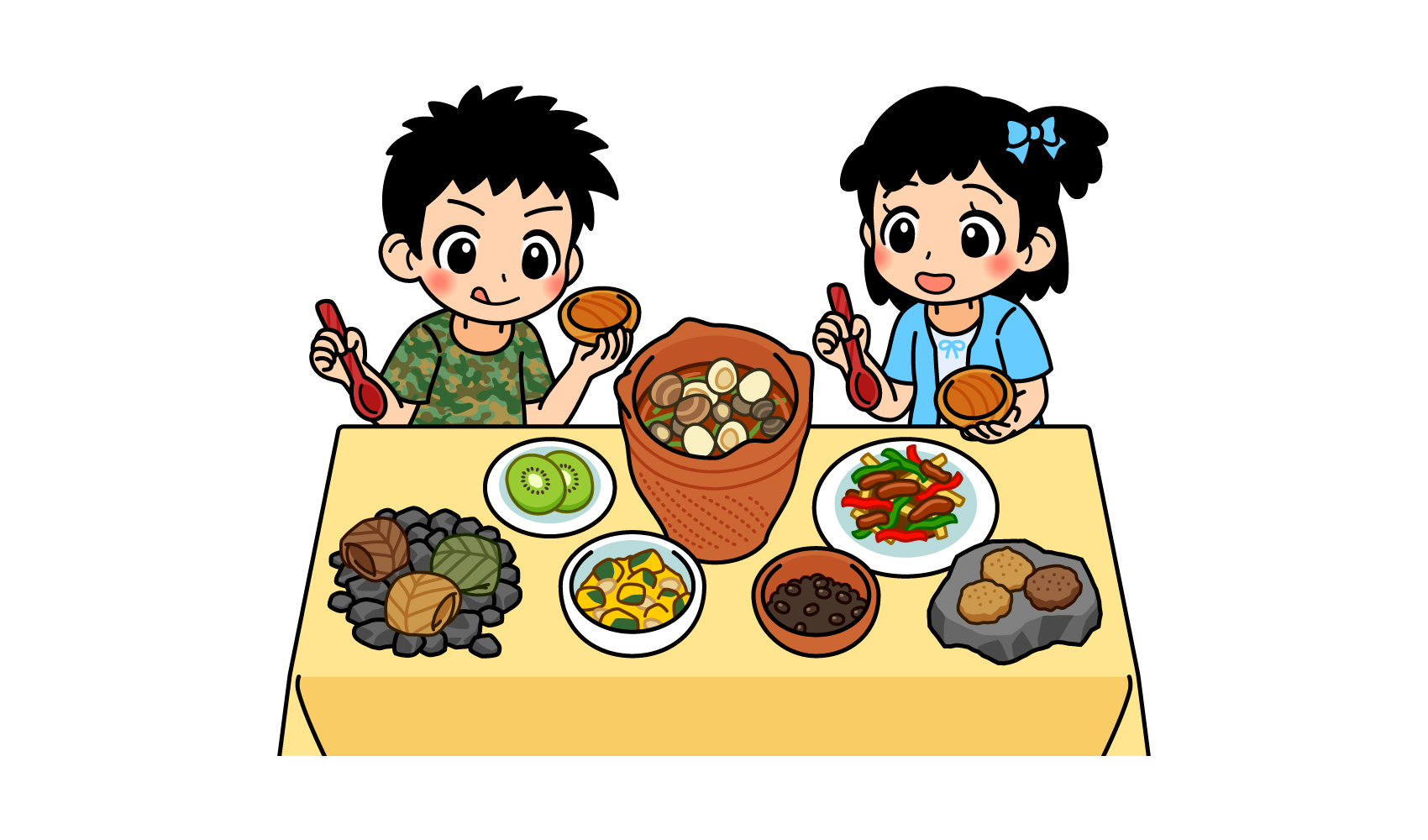
Answer: They ate a variety of foods from the land, prepared with wood, stone, and earthenware, and rich in nutrients.
The lives of people in the Paleolithic, Jomon, and Yayoi periods are mainly studied in the field of archaeology, which explores old cultures through excavation and analysis of excavated artifacts. What in the world can we learn from things buried in the ground? Many people may wonder, "What in the world can we learn from something buried in the ground? In reality, however, detailed examination of excavated tools, house ruins, and traces of daily life reveals various clues about how people lived and what they ate in those days.
In this issue, we introduce dishes from the Paleolithic and Jomon Periods*1,2 recreated by the Kadokawa Musashino Museum (Tokorozawa City, Saitama Prefecture) based on research results mainly from archaeology, and also check the nutritional content of the ingredients used.
[Talk: Shuzo Kumagai, curator, Kadokawa Musashino Museum; Mizue Yamane, nutritionist, Smile meal]
1 The dishes introduced here are based on information published by the Kadokawa Musashino Museum in conjunction with the exhibition "Recipes from 30,000 Years of Musashino" (November 3, 2021 - February 13, 2022). Please check the special website of the exhibition for detailed information on ingredients, methods of preparation, tools, etc.
[Reference]
Kadokawa Musashino Museum, special exhibition "Musashino 30,000 Year Old Recipes": https://kadcul.com/event/49
Cooking in Musashino 30,000 Years": https://kadcul.com/event/53
Musashi's 30,000 Year Old Cooking Recipes": https://kadcul.com/event/58
2 The Musashino Plateau, covered by the "Kanto Loam Layer" of volcanic ash, was not suitable for rice cultivation due to the low nutrient content of the soil and the difficulty of securing water, and there was a period of very few people here until the latter half of the Yayoi Period. For this reason, dishes from the Yayoi period are not presented here.
Everything on the Musashino Plateau is a kitchen! Paleolithic specialties - stone steaming of seasonal ingredients
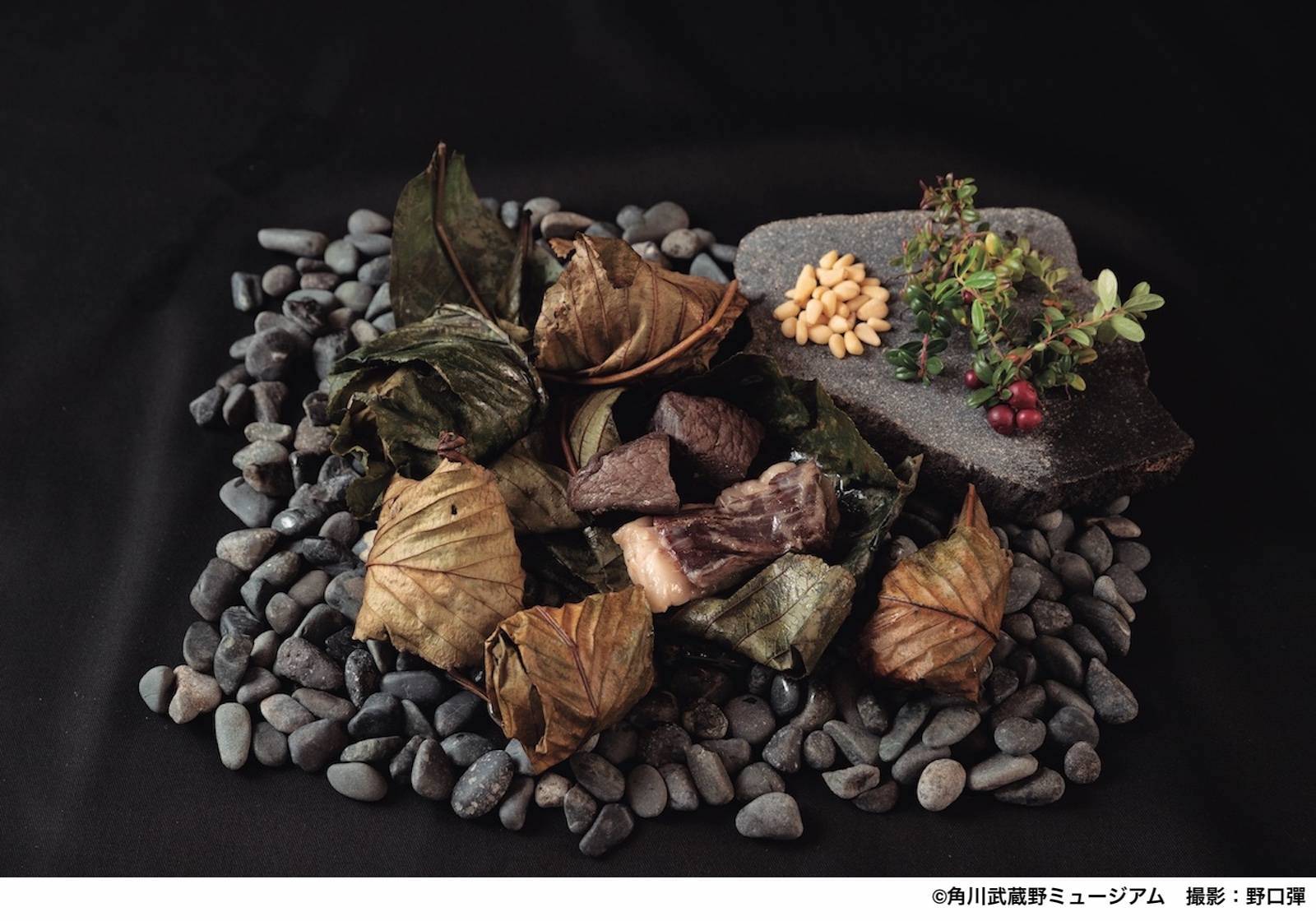
Age] 31,000 - 26,000 years ago (Paleolithic)
Materials] Meat from deer, wild boar, hare, etc., pine and hazel nuts, Japanese nectar, Japanese nectar, etc.
After digging a hole in the ground, heat some stones over a fire, put in the food wrapped in leaves, and cover with leaves, grass, or soil. Steaming in this way produces a juicier result than roasting directly over a fire.
Ishi-mushi cooking, which uses the heat from baked stones, is a cooking method that can be done without earthenware. A baked stone was found at the Fujikubo-Higashi Ruins (Miyoshi-cho, Saitama Prefecture), one of the oldest Paleolithic sites in Japan, and its charred remains suggest that "stone may have been used as a cooking utensil. Therefore, we came up with a dish in which ingredients from the Musashino Plateau are steamed and grilled, based on the stone steamed dishes still eaten today by the indigenous people of Oceania.
[Reference]
Miyoshi Town, "Excavations Reveal New Discoveries! Revealing the Ancient Miyoshi," Koho Miyoshi, January 1, 2010:
https://www.town.saitama-miyoshi.lg.jp/town/koho/2010/documents/20100101-06-09.pdf
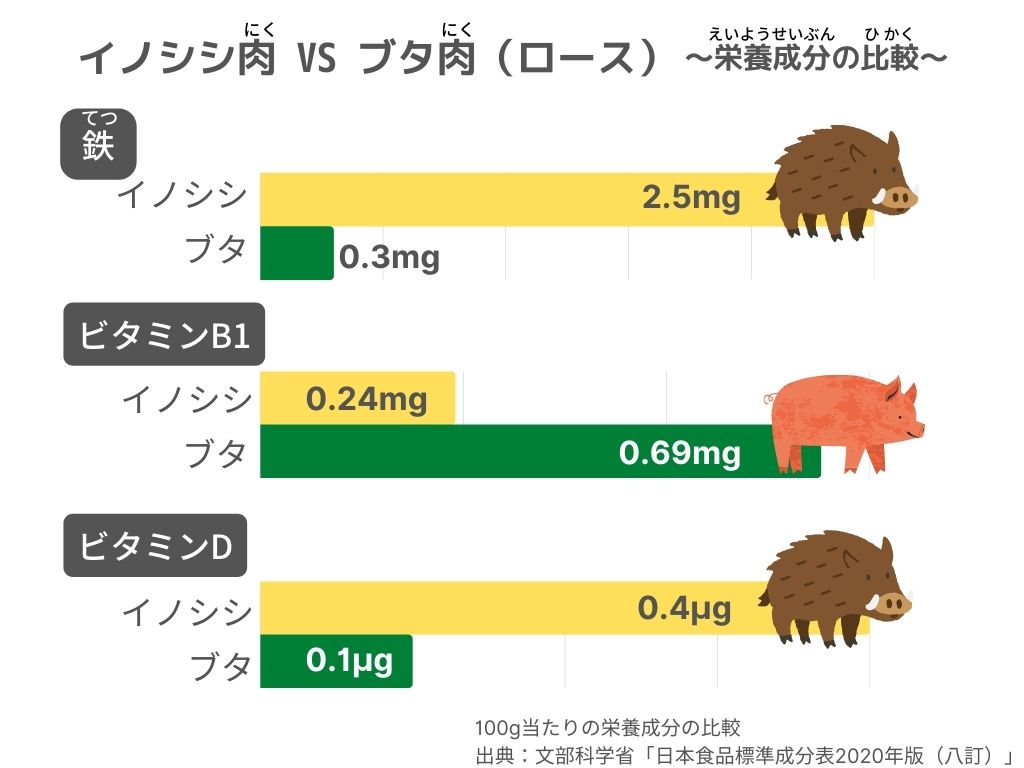
Wild boar meat
When we run and move, our muscles need oxygen. Wild boar meat contains high levels of iron, which is necessary for the production of hemoglobin, the "carrier" that delivers oxygen throughout the body. Compared to pig meat, which is similar in appearance, the amount of iron in wild boar meat is more than eight times that of pig meat! Wild boars are said to have been highly fertile and numerous, and must have been a major source of protein, which is the basis of muscle. Nowadays, wild boars have a strong image of being "cursed" for destroying fields, but in the Paleolithic period, when people hunted by running, wild boars must have been an indispensable food source.
Seafood from the Mizuko Shell Mound Shellfish Soup with plenty of flavor
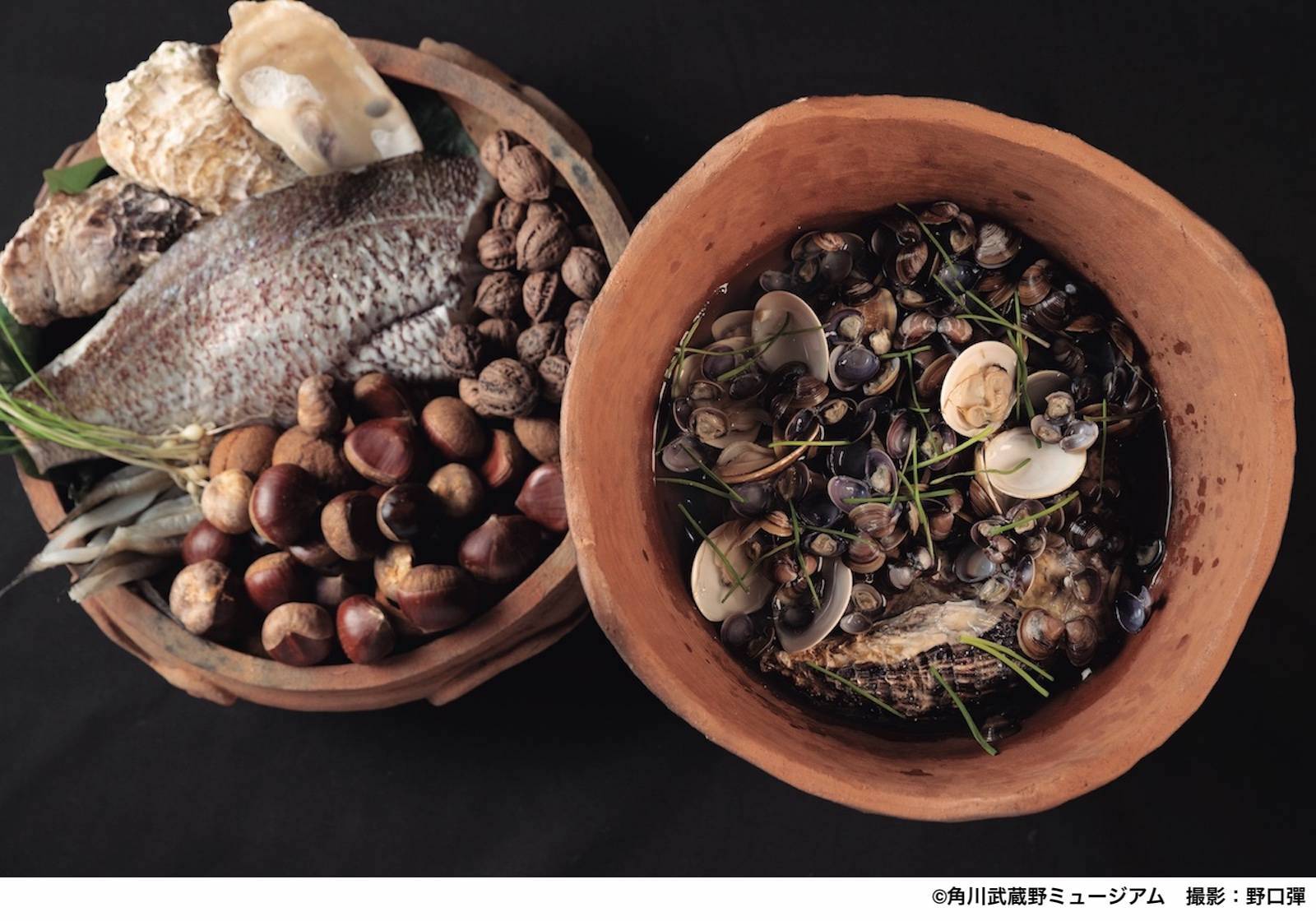
Age] About 6,000 years ago (early Jomon Period)
Materials] Shellfish, such as clams, oysters, and Pacific oysters; nuts, such as chestnuts and walnuts; wild plants, such as wild boar, and seaweed.
This soup combines seasonal shellfish with seaweed and seasonal wild plants. The ingredients are placed in a Jomon Earthenware vessel for several hours to slowly extract the flavor of the shellfish, and salt is added at the end.
Saitama Prefecture is now a "sea-less" prefecture, but during this period, the "Jomon sea advance "*4 extended the coast inland, and many shellfish mounds have been found because of the abundance of clams, oysters, and other shellfish that were harvested. One of these shell mounds, Mizuko Shell Mound (Fujimi City, Saitama Prefecture), is a village that flourished about 6,000 years ago, and as many as 50 shell mounds are lined up around the village. In the Jomon period, the sea was unpolluted, and the local people must have been able to catch high-quality "natural" seafood. The soup made by boiling shellfish tastes like soup with shellfish broth. There is a theory that one of the origins of dashi is shellfish soup from the Jomon period. It is possible that our ability to sense the "umami" of dashi may have been nurtured by the shellfish soup of the Jomon period.
[Reference.]
Cultural Heritage Online "Mizuko Shell Mound": https://bunka.nii.ac.jp/heritages/detail/137964
4 The climate became warmer about 10,000 to 5,500 years ago, and at its peak about 7,000 to 6,000 years ago, the sea level was about 2 to 3 meters higher than at present. This is called the Jomon sea-level rise.
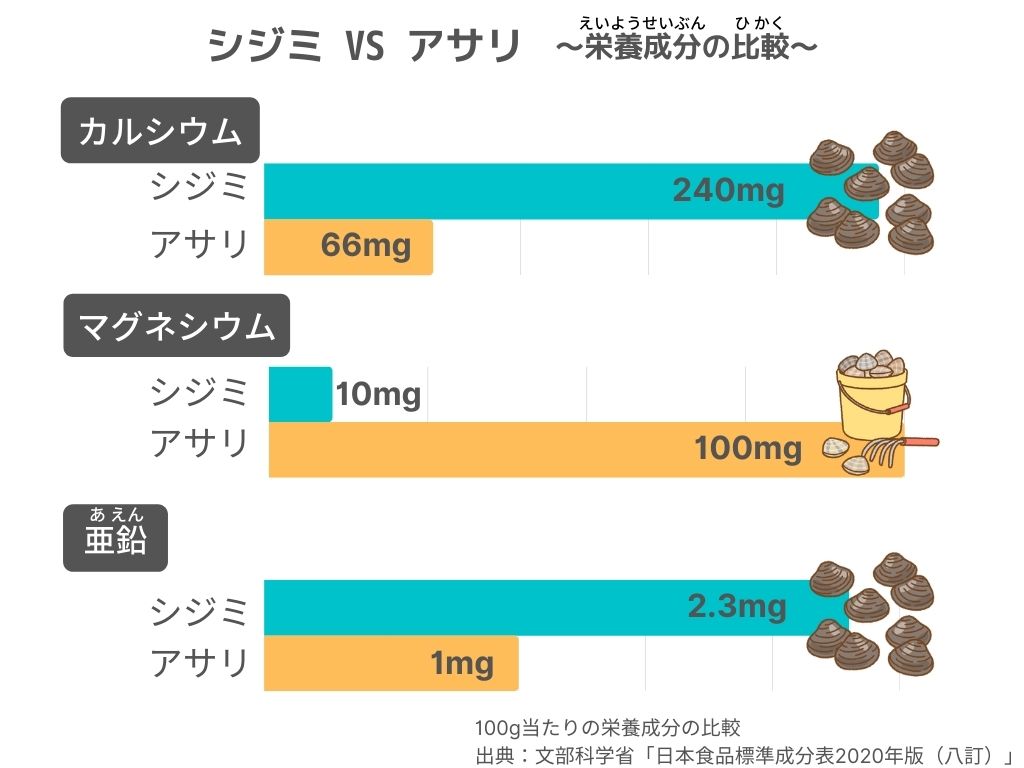
Noteworthy Foods ○Shijimi clam
A mountain of shells has been found in a shell mound. basket clam (Corbiculidae spp.) necessary for growing taller and for teeth to grow back. calcium (Ca) The abundance of popular for ebb and flow fishing. Manila clam (Ruditapes philippinarum) This is about four times more than that of the Jomon people. When we think of calcium-rich foods today, we think of milk, but it is said that milk was not consumed until much later, so shijimi may have supported the bones of the Jomon people.
Cookies of nuts from the Shimoyakebe site, soup stock of yabutsu azuki
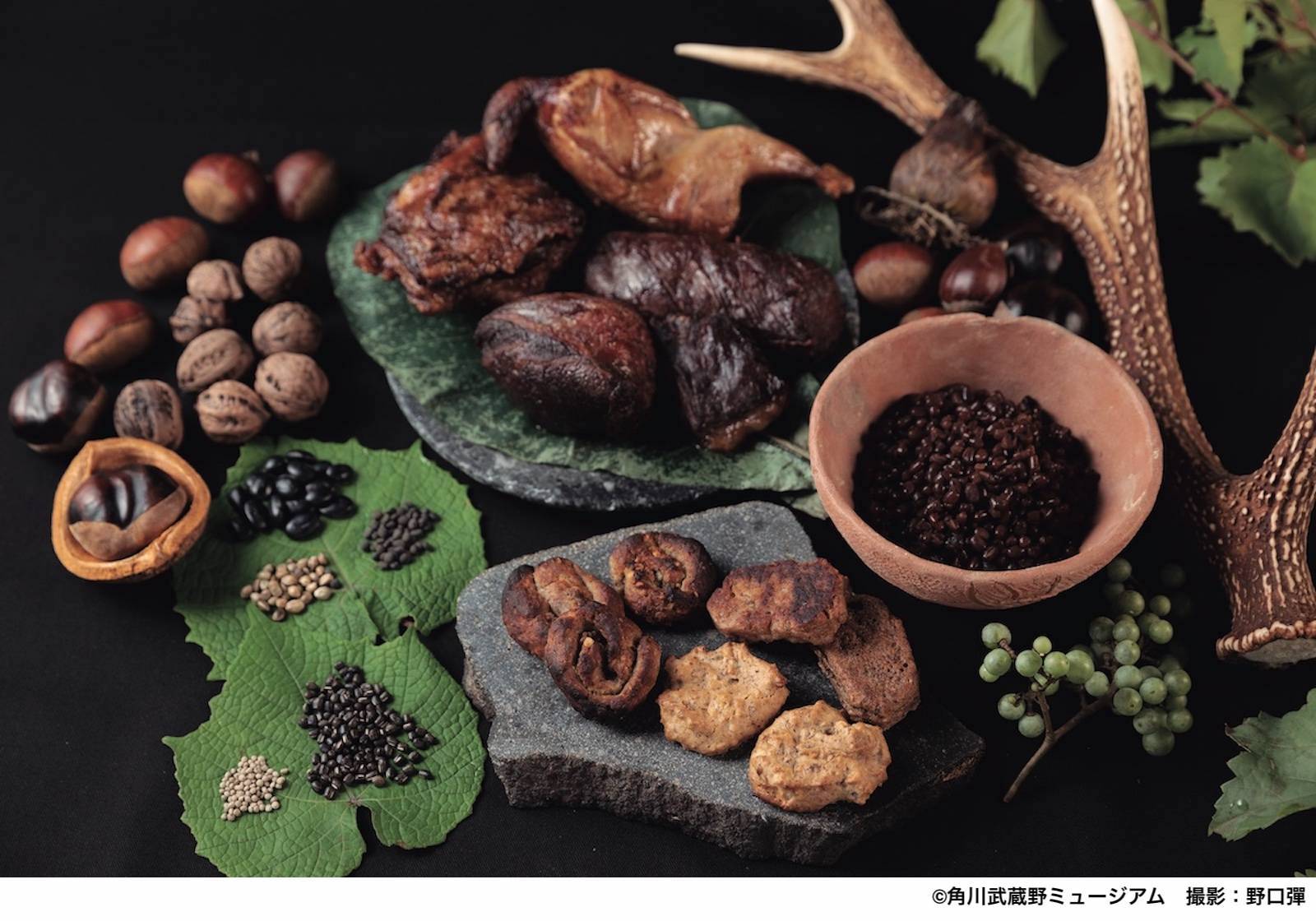
Age] About 4,000 years ago (Middle Jomon Period)
Ingredients
Cookies: Nuts from horse chestnut, Japanese chestnut, chestnut, etc., yamanoimo, quail eggs
Oshiruko (sweet red bean soup) ... Yabutsuru-azuki (dogtooth violet), honey
After mashing the nuts on a stone plate, use wild yam or quail eggs as a "binding agent" and bake on the stone. If you like, you can add egoma or asa no kernel to enhance the aroma. When using horse chestnut nuts, it is important to remove the scum from the nuts thoroughly. Soak the dried horse chestnuts in running water for a few days, then add the ashes and boil them in an earthenware vessel for a few more days.
Yabutsuzu azuki is boiled from water, then once the water is discarded, water is added again and the beans are boiled until softened. Add honey at the end to make a sweet soup stock.
The Shimoyakubu Site (Higashimurayama City, Tokyo) is a site where excavations to date have revealed remains and artifacts from the Late Jomon, Kofun, Nara, and Heian periods. Because the site is located in a "low marshy area" with abundant groundwater, many plant materials, such as nuts and wooden tools, which would have rotted elsewhere, have been excavated, making it a treasure trove of information.
For example, a lacquered wooden spoon found in the excavation revealed that people at that time grew poison oak trees and collected its sap, which they used for gluing, waterproofing, and coloring. We also found traces of how people removed the scum from horse chestnuts, how people planted legumes, and how they used the heads of wild boars in ceremonies.
Among the excavated artifacts, we found yabutsuru azuki stuck to the bottom of earthenware vessels. From this, we thought, "They would have boiled and eaten the azuki," and recreated oshiruko (sweet red-bean soup).
[Reference]
Shimoyakubu Ruins, Higashimurayama City: https://www.city.higashimurayama.tokyo.jp/tanoshimi/rekishi/shimoyakebe/index.html
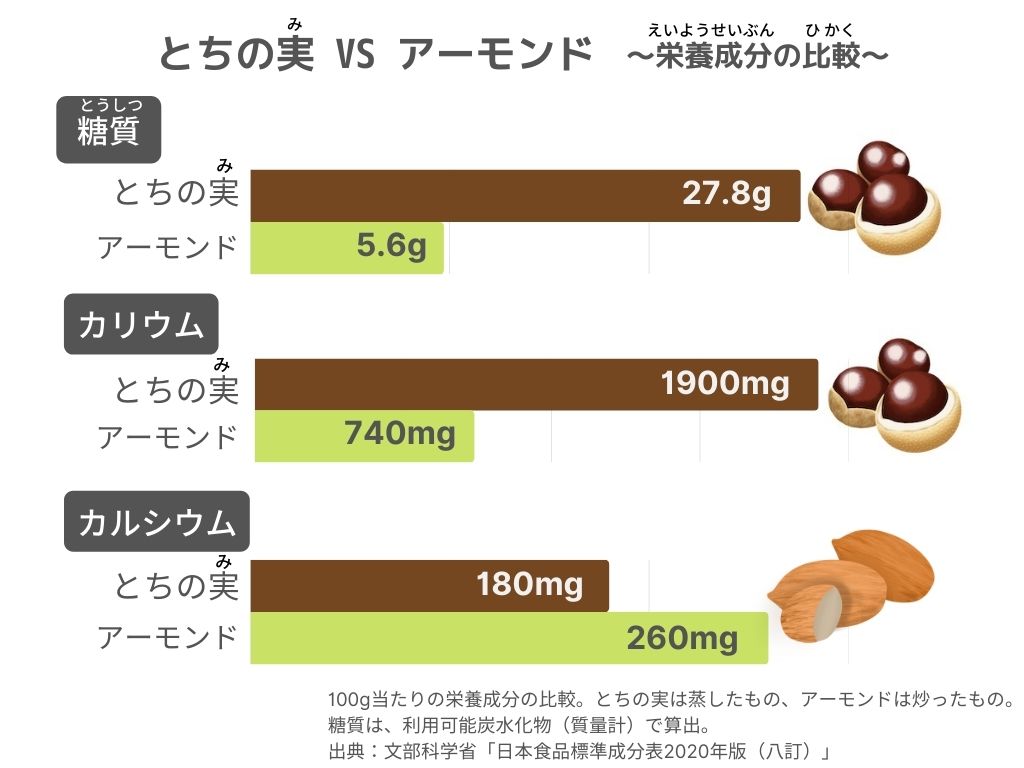
Noteworthy Ingredients ○Tochinomiyaki
The Jomon people took a great deal of time and effort to remove the scum from tochinonos (horse chestnuts). Compared to almonds, which are a familiar part of school lunches, tochinonuts are rich in carbohydrates. Carbohydrates are like gasoline for the body. When you eat them, you get power immediately. Since they also provide energy for the brain to work, we want to eat them well before studying. Azuki beans used in oshiruko (sweet red bean soup) are also high in carbohydrates. Rice is the most common food high in carbohydrates, but tochinokins must have been a valuable source of energy in the days when rice cultivation had not yet begun.
If you want to incorporate Paleolithic/Jomon-era cuisine into the modern world, this is how to eat it!
Your brain and organs are working even while you sleep, so when you wake up in the morning, you are out of energy. For breakfast, we recommend cookies or oshiruko, which are high in carbohydrates that provide immediate power. It is also a good nutritional supplement before lessons or cram school! Since bones and muscles are built while we sleep, stone-baked or shellfish soup with meat as its ingredient is recommended for dinner. 3 dishes are low in vitamins that protect us from viruses and cleanse our skin, so pumpkin salad, stir-fried dishes with bell peppers such as chinja-roe soup, and Add a pumpkin salad, a stir-fry dish with bell peppers such as chinjaolo soup, or kiwi fruit after the meal to make a well-balanced meal.
Still more to know about Paleolithic and Jomon Era food
We asked Ms. Kumagai, a curator, and Ms. Yamane, a nutritionist, about their impressions of the dishes they recreated and the difficulties they encountered in recreating them. What do elementary school students and Paleolithic/Jomon-era people have in common?
Click the button below to proceed to Q&A.
Article published: July 2022
planning cooperation
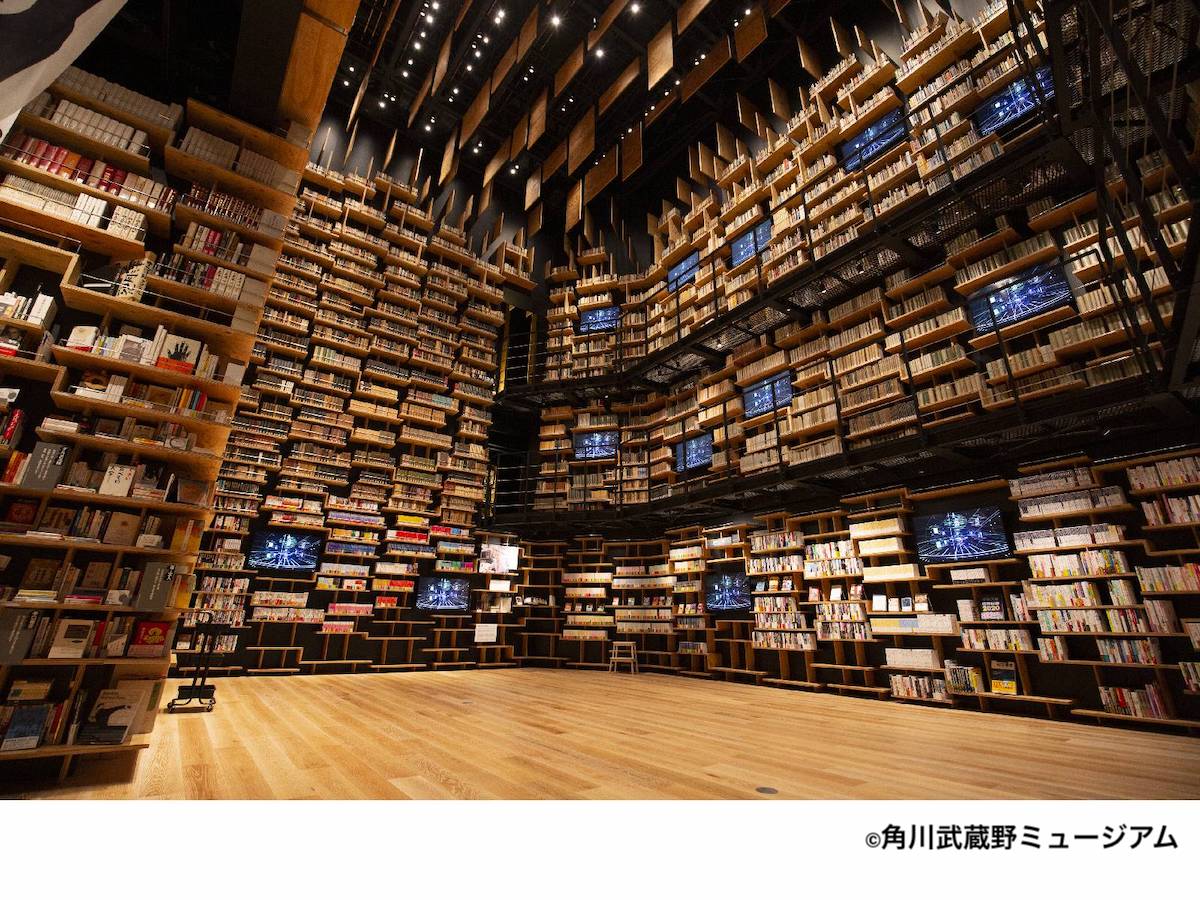
Kadokawa Musashino Museum
A cultural complex that combines a library, art museum, and museum. The main areas are "Book Street," where the director, Seigo Matsuoka, has uniquely arranged books according to nine contexts for reading about the world, "Aramata Wonder Treasure House," supervised by naturalist Hiroshi Aramata, "Bookshelf Theater," under the theme of "playing with books and communicating with books," and these "edit towns. In addition, the "Manga-Ranobe Library" with manga and light novels from numerous publishers, and the "Grand Gallery" where special exhibitions are held, offer a variety of "mazumamix" as the "museum that plays with imagination and anima" advocated by Director Matsuoka. The architectural design was supervised by Kengo Kuma.
Location: 3-31-3 Higashi-Tokorozawa Wada, Tokorozawa-shi, Saitama 359-0023, Japan
■Official website:https://kadcul.com/
Mizue Yamane
Registered dietitian, food coordinator, baby food advisor, maternal food advisor. She has been engaged in restaurant management at a restaurant chain, development of salads and smoothies at a food company, and planning and management of health seminars. Her interest in children's food grew after giving birth, and as a nursery school nutritionist, she has been involved in child nutrition education and child-rearing support activities. Aiming to build a local community through food, she runs a children's cafeteria in her hometown. She hopes to convey the joy of eating and cooking, nurture children's zest for life, and lighten the burden of food on households raising children.
■"Smile meal" official website:https://www.smile-meal.com/