





What did people eat during the Paleolithic, Jomon, and Yayoi periods? Q&A
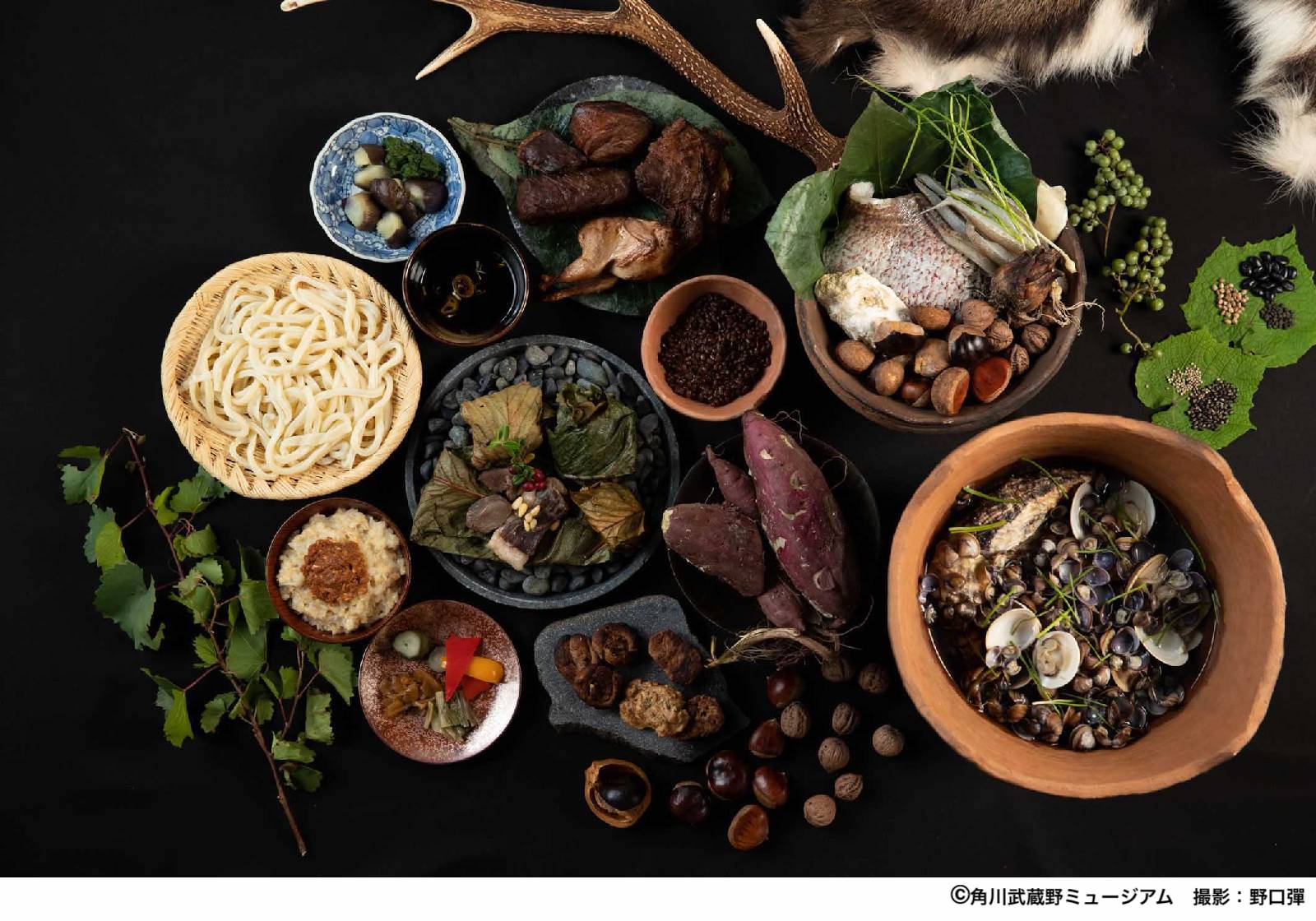
This volume, "What did people eat during the Paleolithic, Jomon, and Yayoi periods?" This is a compilation of the stories that could not be written in the main volume
[Talk: Shuzo Kumagai, curator, Kadokawa Musashino Museum; Mizue Yamane, nutritionist, Smile meal]
In this volume, we have looked at three recipes from the Paleolithic and Jomon periods from among those recreated by the Kadokawa Musashino Museum, and the dishes people ate at that time and the nutritional content of the notable ingredients used in them. Here, we have compiled the stories that could not be written in this volume in a Q&A format. We will answer the questions of those who read the book and are interested in learning more about the recreation of the recipes, as well as those who feel that the recipes are too old and have nothing to do with them.
Main: What did people eat during the Paleolithic, Jomon and Yayoi periods?
Is the food from the Paleolithic/Jomon period good?
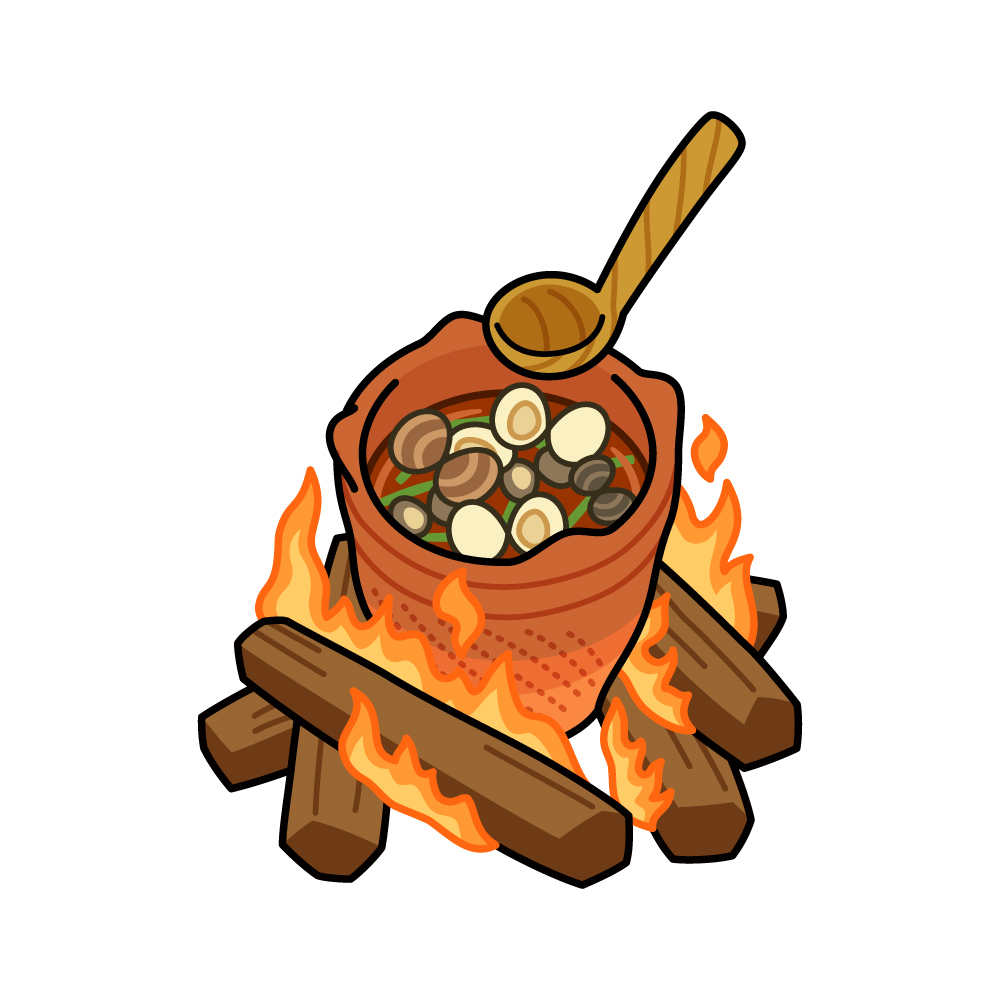
It is delicious! The stone steamed baked fish is very juicy and the shellfish soup is really full of umami. The nut cookies are also slightly sweet and addictive. I imagine that the people of that time must have cooked them as a means to survive, but at the same time, they must have had a sense of "deliciousness" and must have devised cooking methods to achieve that. (Mr. Kumagai)
It is said that babies spit out sour and bitter foods when they put them in their mouths because they are born knowing that "sourness (acidity) = tainted" and "bitterness = poison. People in the Paleolithic and Jomon periods may have grown up with such baby taste buds and skillfully avoided eating foods that were tainted or poisonous. Perhaps elementary school students, who are closer to babies than adults, may be able to share the same sense of "deliciousness" as those of the Paleolithic and Jomon Era. (Mr. Yamane)
What seasonings did you use?
○When adding saltiness, salt from the sea was used. However, there are two opinions as to whether the technology to produce salt existed on the Musashino Plateau: one says that it already did, and the other says that it had not yet been perfected.
When people wanted sweetness, they usually tasted the natural sweetness of carbohydrates such as nuts and fruits. It is said that there was a sweetener derived from the amazura plant, but not the kind of sugar we use today. The honey used in the recipe for the "nut cookies" was also very precious compared to today. (Mr. Kumagai)
A foreign study has suggested that animals obtained salt from their bone marrow. Bone marrow contains protein, vitamins, minerals, and many other nutrients in addition to salt. Perhaps the people who lived in Japan during the Paleolithic and Jomon periods also wasted no time in eating bones after eating meat to maintain their health. (Mr. Yamane)
What did you do during the seasons when you could not get nuts and fruits?

○○They created a technology to preserve and stockpile food. In the Jomon period, before rice cultivation began, one might imagine that people were hungry in winter due to lack of food, but in reality, people were able to obtain a certain amount of calories throughout the year. Trade with other regions was also active, and it is thought that the technique of removing the scum from dried horse chestnuts was introduced from the Central Highlands (the region centering on Nagano, Yamanashi, and northern Gifu prefectures). (Mr. Kumagai).
Dried fruits, with their reduced water content, contain more nutrients than fresh fruits of the same weight. For example, dried persimmons, which have been eaten in Japan since ancient times, contain more than four times as much carbohydrate, which provides energy to power the body, and three to six times as much minerals such as iron, calcium, and magnesium, which are necessary for building blood and bones*. In other words, dried fruits provide a lot of nutrition in a small amount. However, in the case of dried persimmons, the amount of vitamin C, which helps protect against viruses, is reduced to about 1/30 of that in fresh ones. If fresh fruits could be eaten in any season, the Paleolithic and Jomon people may have been more resistant to disease. (Mr. Yamane)
Nutritional composition comparison of astringent persimmon and dried persimmon (per 100g)
Astringent persimmon: carbohydrate 13.6g, potassium 200mg, calcium 7mg, magnesium 6mg, iron 0.1mg
Dried persimmon: carbohydrate 58.7g, potassium 670mg, calcium 27mg, magnesium 26mg, iron 0.6mg
[Source: "Standard Tables of Food Composition in Japan, 2020 Edition (8th Revision)," Ministry of Education, Culture, Sports, Science and Technology]
How did you recreate the recipe?
How people cooked during the Paleolithic and Jomon periods can only be inferred from various materials and research results. In addition to materials excavated from archaeological sites, research on what kind of plants grew on the Musashino Plateau (vegetation), geology, and climate was used to recreate recipes, with advice from archaeological experts. Meat from wild boars and deer, which are difficult to obtain, was provided by a hunting team from Gunma Prefecture who captured them during vermin extermination, and the Kadokawa Musashino Museum's restaurant cooperated with us in the cooking. (Mr. Kumagai)
What does food from long ago have to do with our lives?
Some people may think that the Paleolithic and Jomon periods are irrelevant to us because they were long ago, but it is said that there is little biological difference between them and us. However, it is said that there is little biological difference between them and us. Therefore, what we find "delicious" must have also been "delicious" to them. All three recipes we recreated were delicious. We hope that these recipes will make archaeology more accessible and interesting.
In addition, these recipes will give you a sense of the deep connection between "land and food. We hope that the recreated recipes will help people understand the geology, climate, history, and culture of the land where they live. (Mr. Kumagai)
Let's look into the history of food in the region around us.
You now understand that the people who lived on the Musashino Plateau enjoyed a rich diet in which they savored the deliciousness of a variety of foods as they were.
The dishes introduced here are made with ingredients from the Musashino Plateau and other areas, but there must be different ingredients and cooking methods in other areas. Why don't you also research the characteristics of the region where you grew up (geology, vegetation), materials excavated from archaeological sites, and traditional dishes that have been eaten for a long time? Through the history of food, you may discover new attractions of the region.
Article published: July 2022
planning cooperation
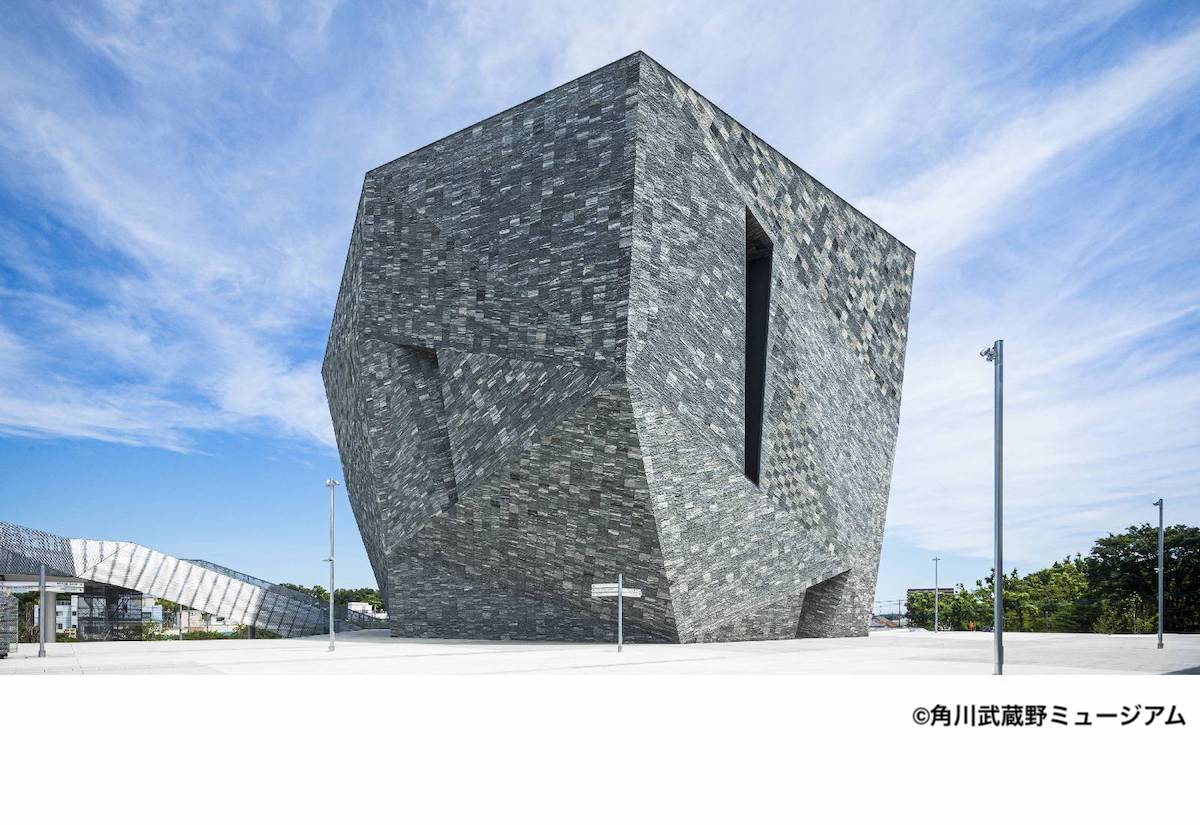
Kadokawa Musashino Museum
A cultural complex that combines a library, art museum, and museum. The main areas are "Book Street," where the director, Seigo Matsuoka, has uniquely arranged books according to nine contexts for reading about the world, "Aramata Wonder Treasure House," supervised by naturalist Hiroshi Aramata, "Bookshelf Theater," under the theme of "playing with books and communicating with books," and these "edit towns. In addition, the "Manga-Ranobe Library" with manga and light novels from numerous publishers, and the "Grand Gallery" where special exhibitions are held, offer a variety of "mazumamix" as the "museum that plays with imagination and anima" advocated by Director Matsuoka. The architectural design was supervised by Kengo Kuma.
Location: 3-31-3 Higashi-Tokorozawa Wada, Tokorozawa-shi, Saitama 359-0023, Japan
■Official website:https://kadcul.com/
Mizue Yamane
Registered dietitian, food coordinator, baby food advisor, maternal food advisor. She has been engaged in restaurant management at a restaurant chain, development of salads and smoothies at a food company, and planning and management of health seminars. Her interest in children's food grew after giving birth, and as a nursery school nutritionist, she has been involved in child nutrition education and child-rearing support activities. Aiming to build a local community through food, she runs a children's cafeteria in her hometown. She hopes to convey the joy of eating and cooking, nurture children's zest for life, and lighten the burden of food on households raising children.
■"Smile meal" official website:https://www.smile-meal.com/