




What to do when there is an "Electricity Supply-Demand Stress Alert"? Let's think about an effective power-saving mechanism.
Answer: Know the concept of power saving and practice it without difficulty.
On March 21, 2022, the Agency for Natural Resources and Energy issued an "Electricity Supply-Demand Stress Alert" for the area served by Tokyo Electric Power Company (Tokyo, Kanagawa, Saitama, Chiba, Tochigi, Gunma, Ibaraki, Yamanashi, and Shizuoka prefectures east of the Fuji River1). The alert is intended to alert the public that there may not be enough electricity available from power companies (supply) to meet the electricity needs (demand) of homes, stores, and businesses, and to encourage people to conserve electricity (save power). In response to this, Tokyo Sky Tree and Tokyo Tower cancelled their lighting on the 22nd, and many people may have said, "I saw it on the news. In the service area of Tokyo Electric Power Company (TEPCO), an electricity supply-demand crunch alert was also issued for four days in late June 2022, and many households, stores, and businesses cooperated to save electricity. In this issue, we will consider why there is a shortage of electricity and what can be done to effectively save power.
(1) Ministry of Economy, Trade and Industry news release dated March 21, 2022: "TEPCO asks for your cooperation in saving electricity in the service area of TEPCO as the supply and demand of electricity is expected to become severe on March 22 [supply and demand crunch alert]": https: //www.meti.go.jp/press/2021/03/20220321001 /20220321001.html
Why is there not enough electricity?
If we don't have enough power, why don't we just increase the amount of electricity we generate?" --Some of you may be thinking, "If there is not enough electricity, why don't we just increase the amount of electricity generated? It is true that if power plants could produce more electricity and deliver it to the places where it is used, the problem would be solved. In reality, however, it is not that simple2).
One of the reasons for this is that there are power plants that are not operating: many nuclear power plants have been shut down as of 2022 due to the Great East Japan Earthquake that occurred on March 11, 2011. Various measures must be taken to get these back in operation.
The same is true for thermal power generation, where the number of operating power plants is decreasing. Thermal power plants are being shut down and decommissioned one after another, partly because their equipment is getting old and partly because of the global trend toward decarbonization. Furthermore, there are hurdles to increasing the amount of electricity generated by thermal power plants, such as the rising price of liquefied natural gas (LNG), which is used as fuel, and the fact that selling the electricity generated by thermal power plants is not profitable.
Renewable energies such as solar and wind power are expected to make up for the decrease in nuclear and thermal power generation. In fact, the amount of electricity generated from renewable energy sources is increasing, but natural conditions such as sunshine hours and wind speed are constantly changing, and the amount of electricity that can be generated is not always the same.
The inability to store large amounts of electricity, which is unique to electricity, is another reason why the amount of electricity generated cannot be increased. At a power plant, electricity is generated by rotating generators, but if a large amount of current is suddenly required to flow, it becomes difficult to keep the generators rotating at a constant speed. Therefore, the amount of electricity generated must be as close as possible to the amount used3)4).
For this reason, we are required to "save electricity" by reviewing our electricity usage to see if there is any waste.
[Reference] (2) Agency for Natural Resources and Energy, "Kagayake!
(2) Agency for Natural Resources and Energy, "Kagayake! Energy for Everyone": https://energy-kyoiku.go.jp/wp-content/themes/energy/assets/pdf/teaching-materials/downloads/type-orange/k1/digital_ shogakusei_jido.pdf
(3) Agency for Natural Resources and Energy, "Electricity Balance Game - Let's Keep Electricity in Town": https: //www.enecho.meti.go.jp/about/kids/game/
(4) Agency for Natural Resources and Energy, "What is the Keyword for Stable Electricity Supply: Electricity Supply-Demand Balance? Let's experience it through a game": https://www.enecho.meti.go.jp/about/special/johoteikyo/balance_game.html
How can we save electricity?
--Three ideas you need to know for effective power saving
So, when you actually decide to save electricity, what actions should you take? There are three main approaches to power conservation: (1) peak shaving, (2) peak shifting, and (3) bottom-up. Peak cut (1) refers to reducing the amount of electricity used during the "peak hours," which are the hours when the most electricity is used in a day (around 1:00 p.m. to 4:00 p.m. in the summer). Peak shift" refers to shifting the time of day when electricity is used from peak hours to off-peak hours. Bottom-up" means to use electricity late at night when less electricity is consumed.
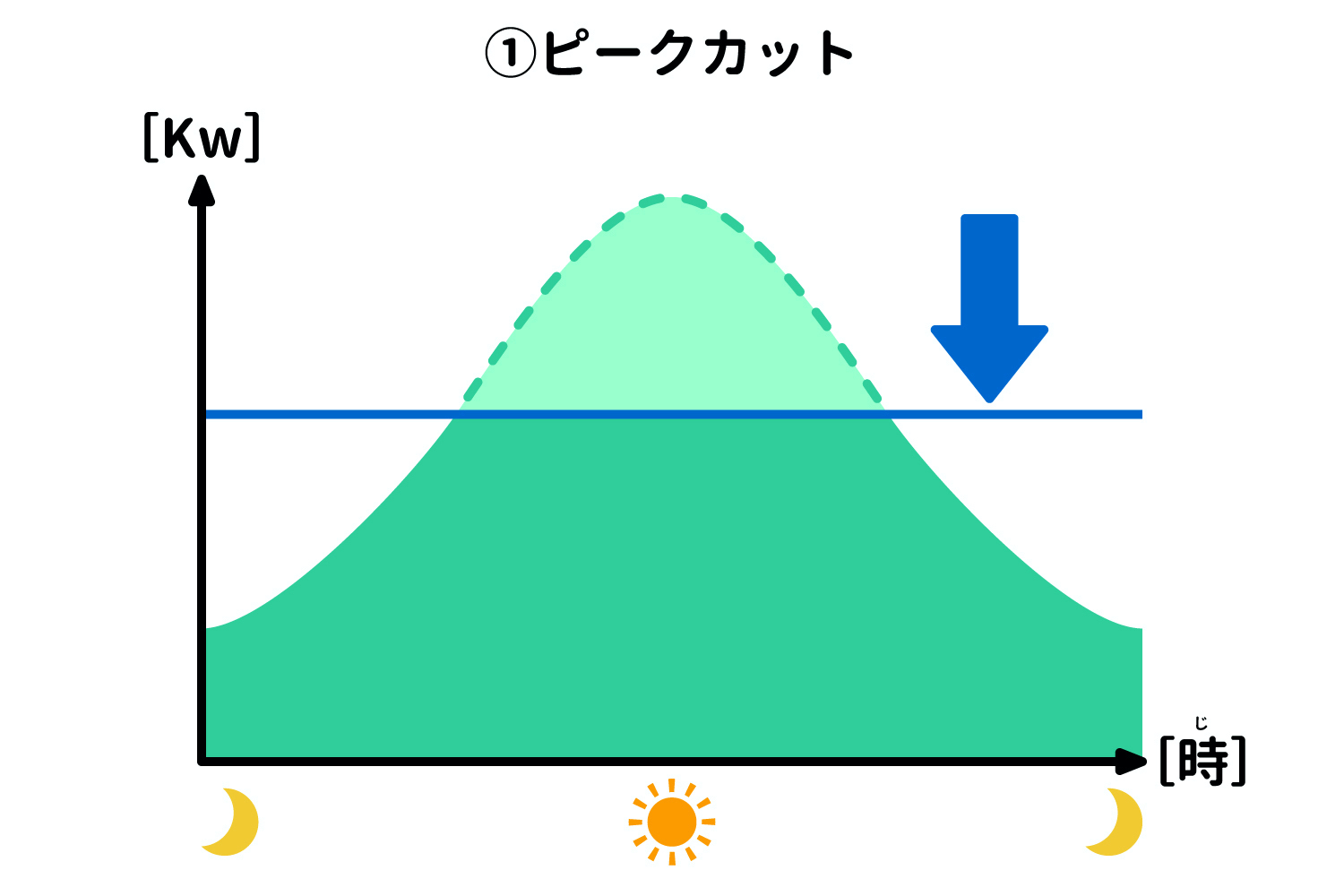
(1) Peak Cut
Peak shaving can be done through a variety of actions. For example, turning off some of the lights during peak hours, and "cool-sharing" and "warm-sharing" to reduce the number of air conditioners used by gathering in cooler areas in summer and warmer areas in winter are effective for peak shaving. Another way to reduce peak power consumption is to use electricity generated by photovoltaic panels installed in the house, which is delivered to the house through power lines (grid power).

(2) Peak Shift
Peak shifting means storing electricity in advance during periods of low power use and using it during peak hours. Therefore, for peak shifting, storage batteries (batteries) are necessary to store late-night electricity and electricity generated by photovoltaic panels. There are several types of storage batteries, including lithium-ion batteries, nickel-metal hydride batteries, and lead-acid batteries.

(iii) Bottom-up
Bottom-up is the active use of electricity during off-peak hours, such as at night. Similar to peak shifting, bottom-up is to use electricity during the night instead of storing it at night. Setting timers on dishwashers and washing machines and using them during the night is a form of bottom-up.
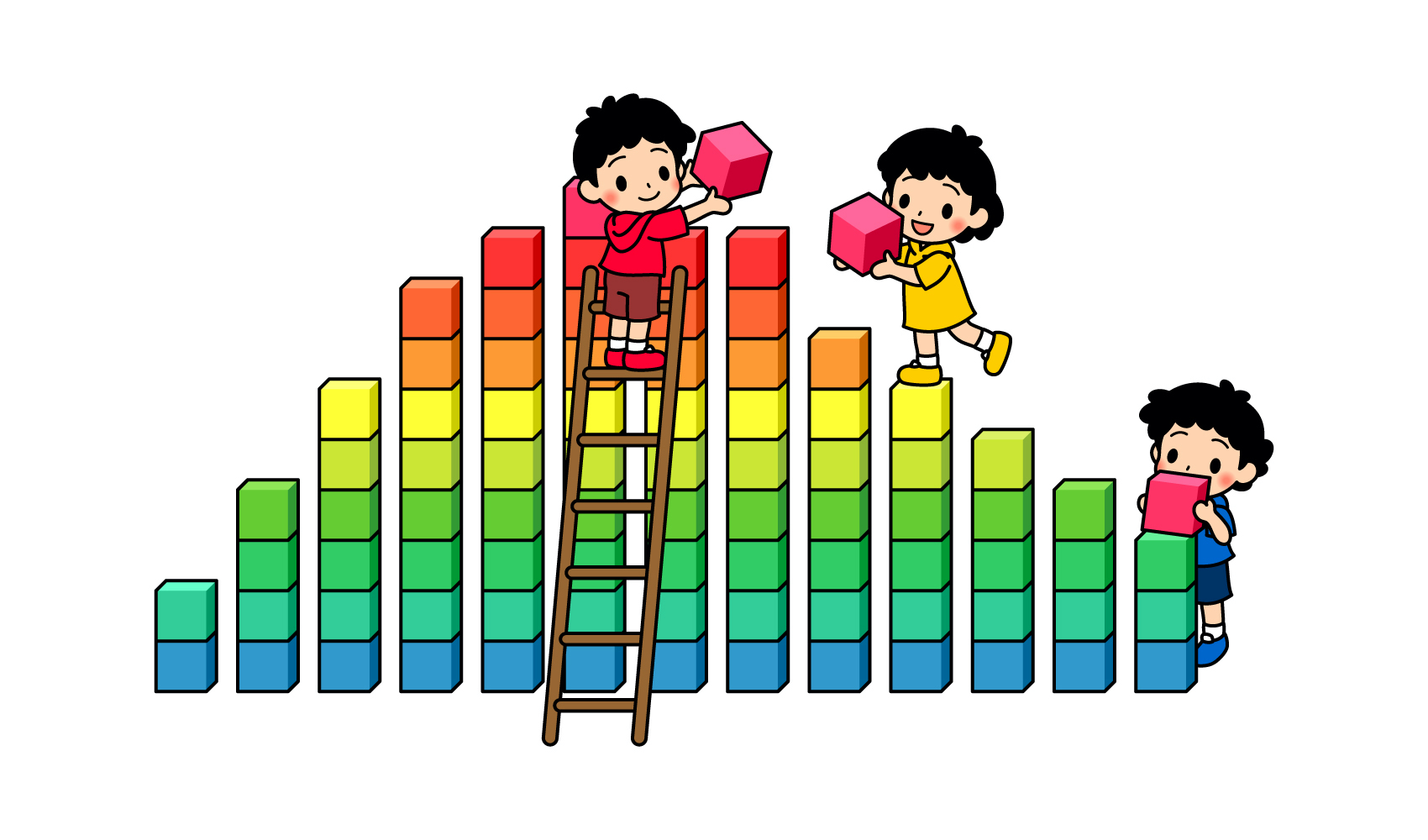
What all three have in common is that they all level the mountain of electricity demand. Peak shaving lowers the top of the mountain, peak shifting moves the peak down and around, and bottom-up raises the height of the base of the mountain to bring it closer to a flattened level, respectively. Reducing fluctuations in electricity demand in this way is called "load leveling.
What kinds of things help with peak shifting?
Did any of the three ideas for saving electricity make you think, "I can do this"? Peak shaving may be someone who says, "I am still doing it. On the contrary, you may have felt that peak shifting "seems difficult. The reason it seems difficult is because it requires storage batteries.
Storage batteries can also be used in the event of power outages due to disasters, making them useful as emergency supplies. However, storage batteries for home use are still expensive, and only a limited number of homes have them, so many people will not have a clear idea of what they are talking about when they say, "Let's use storage batteries for peak shifting.
However, there are actually things around us that work in the same way as storage batteries for home use. Here are some examples.
1) Electric Vehicles
If you are a car enthusiast, you probably thought of this right away. Electric vehicles (EVs) and plug-in hybrids (PHEVs) mainly carry lithium-ion batteries, which can store enough electricity to run a car for several hundred kilometers.
There is a mechanism called "Vehicle to Home (V2H)," in which electricity stored in the batteries is used at home5)6). 6) If electricity generated by late-night power or solar power is charged in the batteries of EVs and PHEVs and run on them, or if electricity stored in the batteries of EVs and PHEVs is used at home during peak hours, peak shifting can be achieved.
For example, Toyota Home's V2H system "V2ZEH" (Vehicle to Zero Energy House) *1 can send up to about 4 days' worth of electricity from an EV or PHEV to a house, depending on the model*2, Nissan's LEAF e+ EV with a 60kWh battery can supply approximately 4 days of electricity to a house by connecting to a V2H system*2.
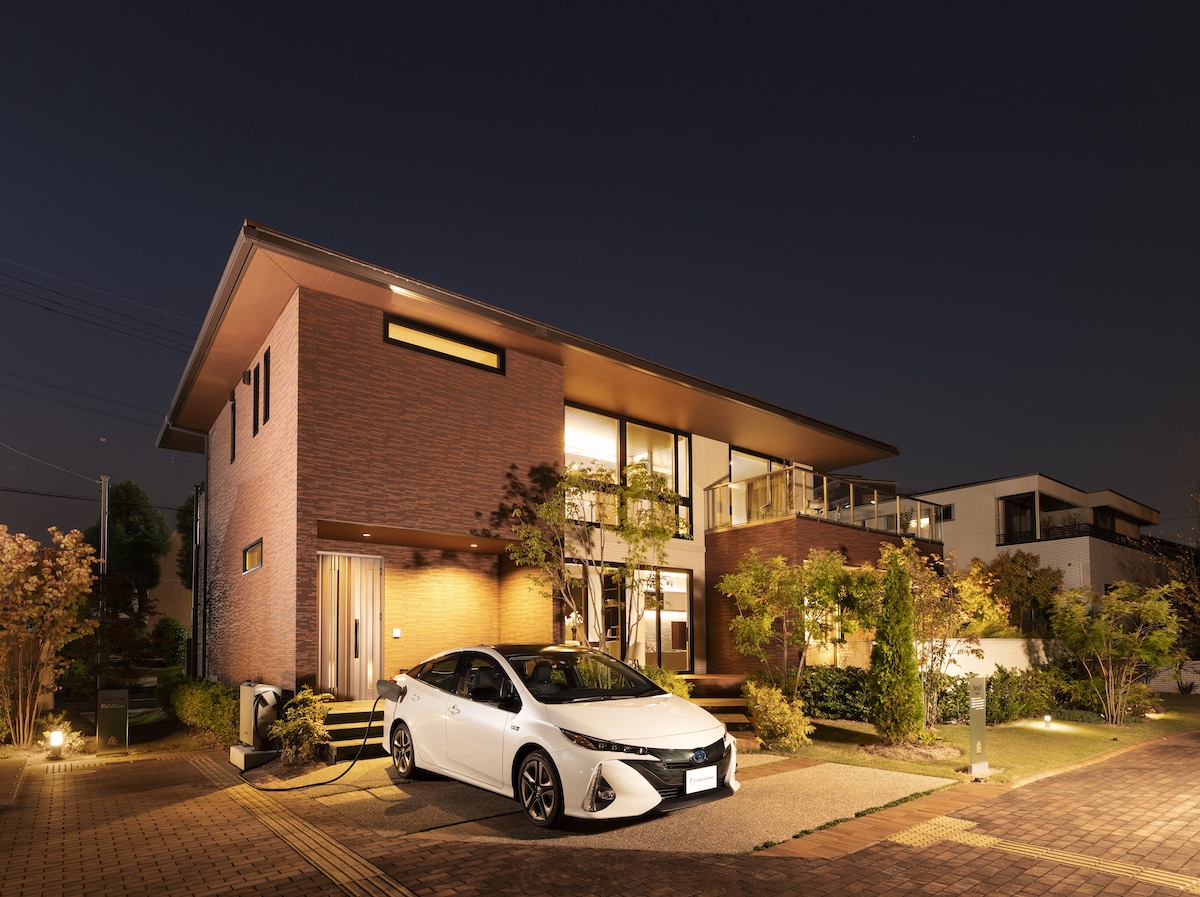

1 "V2ZEH" is a system that combines "ZEH" (net Zero Energy House) and V2H to achieve a zero energy balance through energy-saving equipment and energy-creating equipment (solar power panels, etc.).
2 The amount of electricity that Toyota Motor Corporation's Prius and Prius PHV can supply to the outside world is approximately 40 kWh when fully charged with gasoline. 10 kWh per day is the amount of electricity that an average household uses on a daily basis, and we estimated the amount of time that the solar power generation system can supply this electricity when in full operation.
3 Estimate based on the assumption that the amount of electricity used by an average household is 12 kWh per day.
[Reference]
(5) Toyota Home: "Eco-friendly for always. V2ZEH": https://www.toyotahome.co.jp/chumon/technology/v2zeh/lan/
6) Nissan: "LEAF's electricity can be used at home, too.:https://ev2.nissan.co.jp/LEAF/V2H/

(2) Vending Machine
When you are out and about and thirsty, you can rely on vending machines for drinks. Vending machines also incorporate various power-saving mechanisms. One of these is "peak shift vending machines," which concentrate on cooling drinks at night to reduce the amount of electricity used during the day. Buying drinks from the vending machine is a way of shifting peak demand.
Most vending machines cool drinks during the daytime, when temperatures are higher. Peak-shift vending machines, on the other hand, cool drinks at night, when electricity is not used as much, and stop cooling operation for up to 16 hours during the rest of the day. During the daytime, the vending machine uses only standby power for operation, thus reducing electricity consumption by up to 95% during the summer days7).
Cooling operation can be stopped during the daytime because the drink inside itself acts as a refrigerant. The amount of vacuum insulation material used in the vending machine has been increased to improve insulation*3 and the airtightness of the door has been improved to prevent cold air from escaping, making it harder for drinks to get hotter than in previous vending machines. In addition, the cooling performance is higher than that of previous vending machines, so the cooling operation time has been shortened.
Peak Shift vending machines were developed in 20128), and by 2015, the number of installed units had surpassed 100, 0009).
3 Related article: "Why does the temperature of the contents of a water bottle remain the same? The Mystery of Cold and Warm Insulation": https://kids.gakken.co.jp/kagaku/kagaku110/science220523/
[Reference] (7) Coca-Cola Bottlers Japan, Inc.
(7) Coca-Cola Bottlers Japan, "About Peak Shift Vending Machines": http: //j.cocacola.co.jp/peak_shift/about/
(8) Fuji Electric Retail Systems, "Development of Peak-Shift Vending Machine that Enables Cooling to be Stopped during the Day".June 27, 2012: https: //www.fujielectric.co.jp/about/news/detail/2012/ 20120627113001494.html
(9) Coca-Cola Bottlers Japan, "Frequently Asked Questions": https://j.cocacola.co.jp/info/faq/detail.htm?faq=18508
(iii) Mobile devices
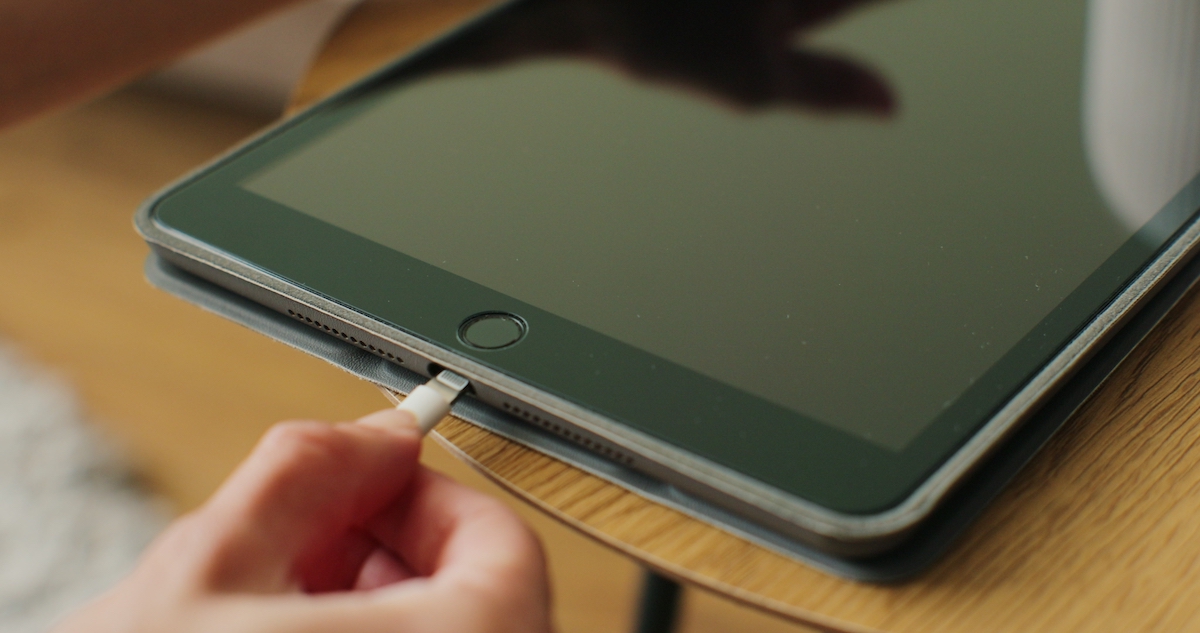
For many of you, there is something that you come into contact with more often than cars or vending machines: storage batteries. These are mobile devices such as tablets, laptops, and smartphones that are used in school classes. Depending on how they are used, peak shifting can be achieved for these devices as well.
Take tablets, for example. Many people will charge their tablets at night when they bring them home from school and take them with them the next day. Using electricity at night, when demand for electricity is low, to charge storage batteries and then using them during the day, when demand for electricity peaks, is a great way to shift peak demand.
Some mobile devices can use peak shift functions provided by the manufacturer. Although the functions vary from product to product, they can be set to prioritize the use of electricity from the storage batteries even when connected to the AC adapter when the remaining capacity of the storage batteries is greater than the set capacity, or to switch between the AC adapter and storage batteries at different times of the day.
You can also switch between the AC adapter and the storage battery at different times of the day. It is a good idea to check the functions of the equipment in your house and use the peak shift function if available, so that you can shift peak demand effectively.
Let's use electricity without strain or waste!
There are three ways to think about saving electricity: peak shaving, peak shifting, and bottom-up, and there are many appliances around us that can put these ideas into practice. Please try to imagine which of the three ways of thinking about saving electricity you know applies to you and which you can easily implement. In doing so, you may find ways to save electricity that you were not aware of before.
For example, peak-shift functions may be found not only in mobile devices, but also in refrigerators, televisions, and fans. Once you know this, you may want to try using various peak shifting functions. It would be interesting to hear from people in homes that have automated peak shifting through the use of HEMS (Home Energy Management Systems) and HEMS-controlled air conditioners, ventilation fans, televisions, etc., why they started using HEMS and how effective it has been. 10).
When people hear the word "energy conservation," they often think, "I'll just put up with the heat," or "I'll just put up with the dark. However, if we are skillful, it is possible to save energy while maintaining comfort. It is important to understand the mechanism of power saving and practice it without any difficulty.
[Reference]
(10) ECHONET Consortium, "What is HEMS?":https://echonet.jp/about/hems/
Article published: August 2022
Supervisor: Mitsuharu Oyama
Born in Tokyo in 1957. Completed a master's degree at Tokyo Institute of Technology. After working as a physics teacher at a high school, a chief instructor at Chiba Prefectural Board of Education, and principal of Chiba Prefectural Chousei High School, he is currently a professor at Shumei University School Teachers' College, where he teaches lectures and exercises on teaching methods for "Science and Mathematics Exploration" and "Integrated Learning Time". He has appeared in many science experiment classes and TV experiment programs. He is also a project advisor for the Chiba City Science Museum, an executive director of the Japanese Society of Physics Education, a member of the Japanese Society for Science Education and the Japanese Society for Science Education, and a member of the editorial board of the monthly magazine "Science Education.