




Newly established Child and Family Affairs Agency System to utilize children's opinions in national policy What is happening in other countries?
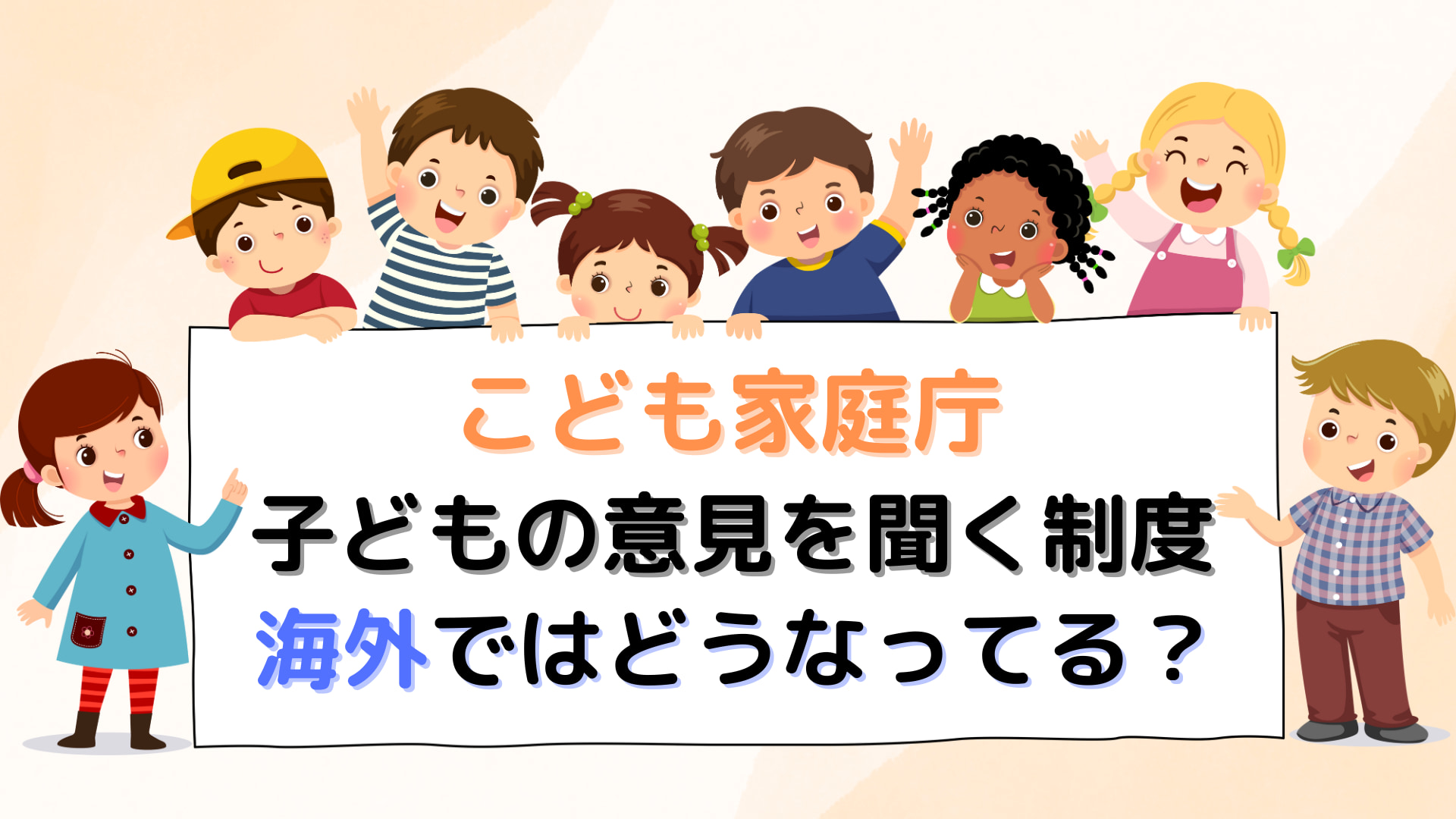
In April 2023, the "Administration for Children and Families," which oversees national policies related to children, will be established. We will be working to create policies that place the highest priority on children, and what will be important at that time is to listen to the opinions of the children themselves. Therefore, in conjunction with the establishment of the Agency for Children and Families, we have started a system for the government to listen to the opinions of children and for children to communicate their opinions to the government. In fact, this system is already commonplace in Europe and other advanced regions, but let's take a look at the situation overseas to see where we are now in Japan.
What is the Child and Family Agency?
The Child and Family Agency aims to realize a "Kodomo Manaka Shakai" (society in which the interests of the child come first) from the perspective of the child. It was created under the Prime Minister and belongs to the Cabinet Office. It is positioned as an "external bureau" with specialized and independent duties for "children," and a minister in charge and a director general are appointed. The scope of policies it oversees is broad, and in addition to measures to combat abuse and poverty directly related to children, it also supports parents during pregnancy, childbirth, and child rearing, and is in charge of considering measures to combat the declining birthrate in society as a whole. We also work with the Ministry of Education, Culture, Sports, Science and Technology to address issues such as bullying, which tends to take place in schools. The Child and Family Affairs Agency will take the lead in directing policies related to children, which have been pursued by various ministries and agencies. The Child and Family Agency also has the "authority to make recommendations," which allows it to demand improvements when it judges that the efforts of various ministries and agencies are inadequate.

Respect for children's opinions" was an issue.
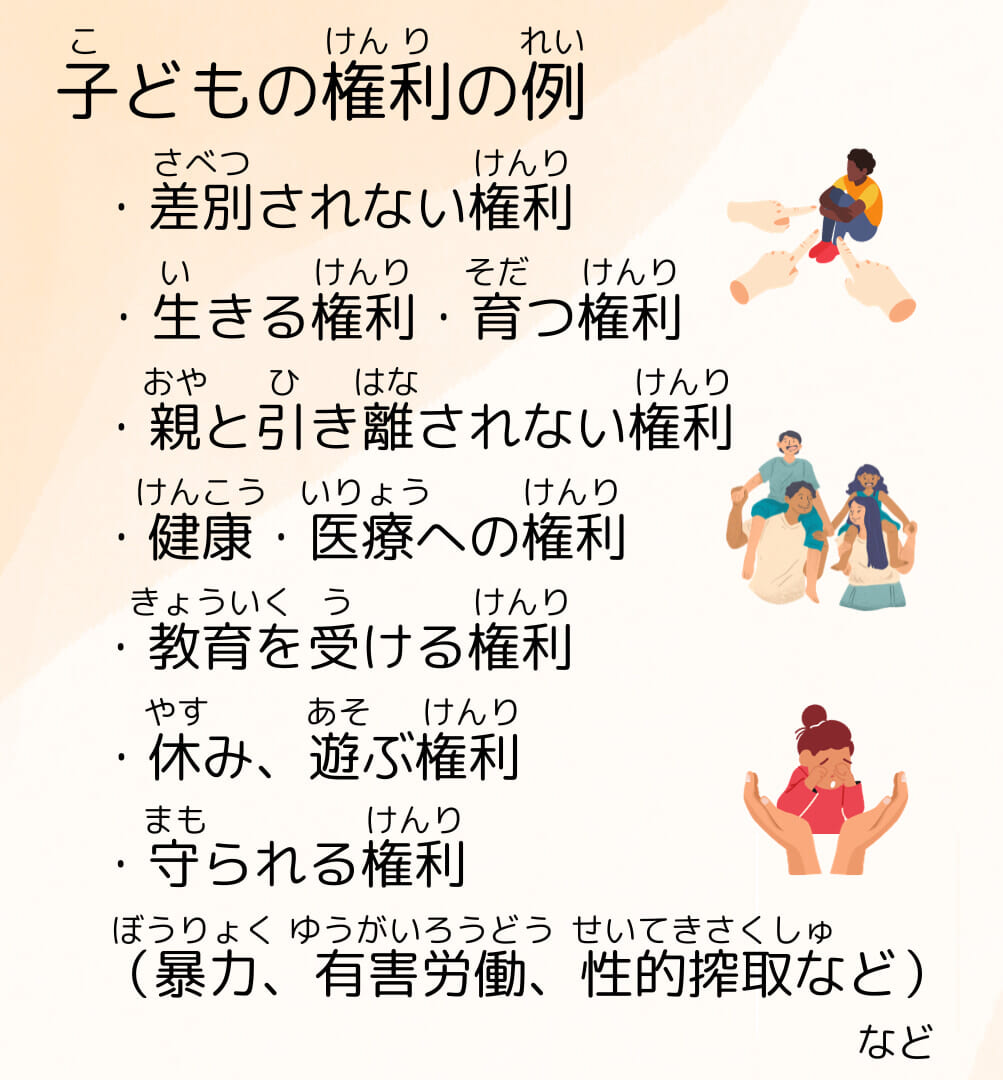
The United Nations Convention on the Rights of the Child, adopted by the United Nations in 1989, describes the rights that children have, including the right to live, to grow up, to be protected, and to participate. One of the most important rights is the right to be heard. Japan pledged to abide by the Convention in 1994, but until now there has been no mechanism to hear children's opinions when making national policy. The "Kodomo Yōnen★Kenpurasu" (Children and Youth Empowerment Program) is a system that addresses this issue. Anyone from elementary school students to those in their 20s can register and participate in "Kodomo Yōnen★IKEN Plus. The program provides an opportunity to connect the government and children on topics on which ministries and agencies want to hear children's opinions, or on which children want to express their opinions to the government. Various methods are available to hear opinions, including face-to-face meetings, online and web surveys.
What are the systems overseas? Where is Japan today?
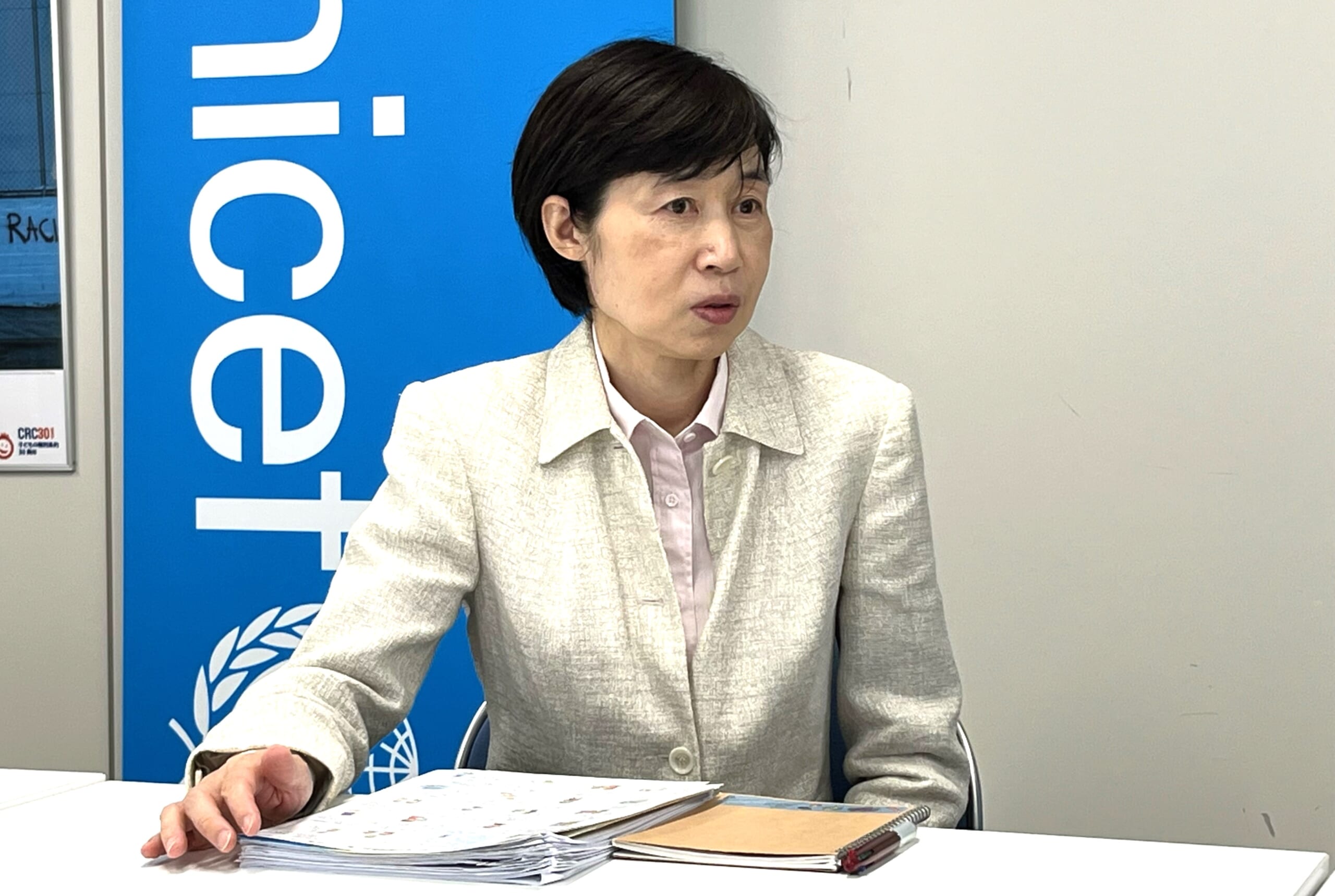
We asked Ms. Aiko Takahashi, who works for the Japan Committee for UNICEF to raise awareness and make proposals toward the realization of children's rights, about the spread and content of the system of hearing children's opinions from the government overseas.
Children's Youth Council and Congress are mainstreamed
-What kind of systems are in place in other countries to listen to the opinions of children?
When we look around the world, it seems that many countries have established a system called "Youth Council for Children and Youth" or "Children and Youth Parliament," which is made up of members who are mainly in their teens. In some countries, councils and assemblies at the local government level and even at the national level work together to gather the opinions of children widely without bias toward local communities. In Europe, a more developed region, according to an EU survey, all 28 EU member states plus the United Kingdom have either a council or parliament system, or both. Most were introduced in the 1990s and 2000s.
In 2023, the EU created an online mechanism for children's opinions to be used in EU policy making, reflecting children's requests that their opinions be heard.
-What are some specific examples of Children and Youth Councils/Councils?
One country where the system of Children and Youth Councils works well is probably Ireland. There are councils made up of 12-17 year olds in all of the 31 provinces in the country. There is a national committee with their representatives, which represents and delivers their opinions to the relevant ministries. Conversely, when the relevant ministries want to hear the opinions of the children, they hear them through the children on the national committee. In this way, there is two-way cooperation between the national government and children throughout the country through the children who represent them.
In the process of creating Kodomo Yōnen Plus, UNICEF introduced several examples, including one in Ireland, to the national side. After that, there was a lot of research conducted by the national side, and there were some interesting examples in Portugal and other countries.
| Ireland | Children's Youth Council and National Committee |
|---|---|
| member | One representative each from 31 state councils across the country (12-17 years old, 31 participants) |
| activity | Two year term, meets monthly |
| role | Communicating opinions to relevant ministries and agencies on items decided at national-level conferences for children and youth held by more than 200 people nationwide, responding to requests for opinions from relevant ministries and agencies, etc. |
Source: Research Report on the Process for Reflecting Children's Opinions in the Policy-Making Process for Children
| Portugal | Children propose and vote on how to spend the national budget of 5 million euros (about 800 million yen) |
|---|---|
| France | Legislation conceived by children around the age of 10 is actually enacted into law by members of Congress. |
Source: Research Report on the Process for Reflecting Children's Opinions in the Policy-Making Process for Children
-Are there any challenges?
Even in Europe, in some countries, the purpose of democratic education to learn about the parliamentary system and the structure of the country is strong, the number of meetings is limited, and children's opinions are treated only as "reference. It seems that there are still challenges in truly reflecting children's voices in policies, even in countries that have been working on this issue for a long time. In addition, it takes a certain amount of time for the government to finalize policies, even after listening to the opinions of the public. Therefore, it also takes a long time to get results and reports on which opinions were reflected and how, and some people say that it is difficult for children to feel a sense of satisfaction and significance.
Some children may not be able to participate in council meetings or assemblies, and it seems to be a common issue around the world how to listen to the opinions of these groups.
-What about efforts outside Europe?
In Asia, the Philippines has been working since the 1970s to create a system that allows children's opinions to be heard in politics. At the national level, a council of children and young people was created, and a representative of young people was appointed in each of the approximately 42,000 villages in the country (actually smaller than a village in Japan). With the support of UNICEF and other organizations, training programs are also provided for local government officials and others to acquire support skills, such as creating an environment where children can easily express their opinions.
In New Zealand, there is a role of "Hiver," which connects the country and children. 16- to 25-year-olds are recruited from the youth generation and encouraged to voice their opinions through social networking sites and other means, using visuals and language that are easy for children to understand. The role of the "Bar" is also to compile the opinions received and convey them to the national government. The program seems to have been successful in gathering opinions from people who have never expressed their opinions to the government before, which is highly appreciated.
To "maximize" awareness of overseas issues and good points
-What can you say about the new system of the Administration for Children and Families?
I would say that the Children and Family Affairs Agency's "Kodomo Yōnen★Kenpurasu" initiative is aiming for the maximum that can be done now, incorporating the good points of overseas examples and being aware of the challenges.
For example, in Japan, it is now obligatory to "listen to and reflect" children's opinions in policy making related to children, but in some European countries, it is not obligatory. It is also good that children are supposed to be given feedback on how their opinions are reflected. Opportunities to hear their opinions are also held flexibly, using online and other means, and they are likely to go to children in environments where it is difficult for them to participate. It would also be effective to create a position of "Pompa," a member of the same generation, to connect the government and children through easy-to-understand information dissemination, similar to the National Committee in Ireland or the "Hiver" in New Zealand.
In Japan, the "Children's National Policy," which sets the basic national policy on children, is now being drafted. Through "Kodomo Yōnen *Kenpurasu" (Children and Youth Center), opinions from children were also collected. It was very good that the start of the system came just in time for the creation of the Outline for Children. Let's keep an eye on the outcome to see what kind of opinions will come from children just like you and how they will be reflected in the system. And, as your opinions will continue to be reflected in policies related to children, I hope that you will let us know your thoughts and feelings at that time.
reference data
Children and Family Agency: https://www.cfa.go.jp/
Study Committee on the Process for Reflecting the Opinions of Children in the Policy-Making Process for Children: https://www.cas.go.jp/jp/seisaku/ikenhanei_process/index.html
Convention on the Rights of the Child, Japan Committee for UNICEF: https://www.unicef.or.jp/crc/
取材協力:高橋愛子さん
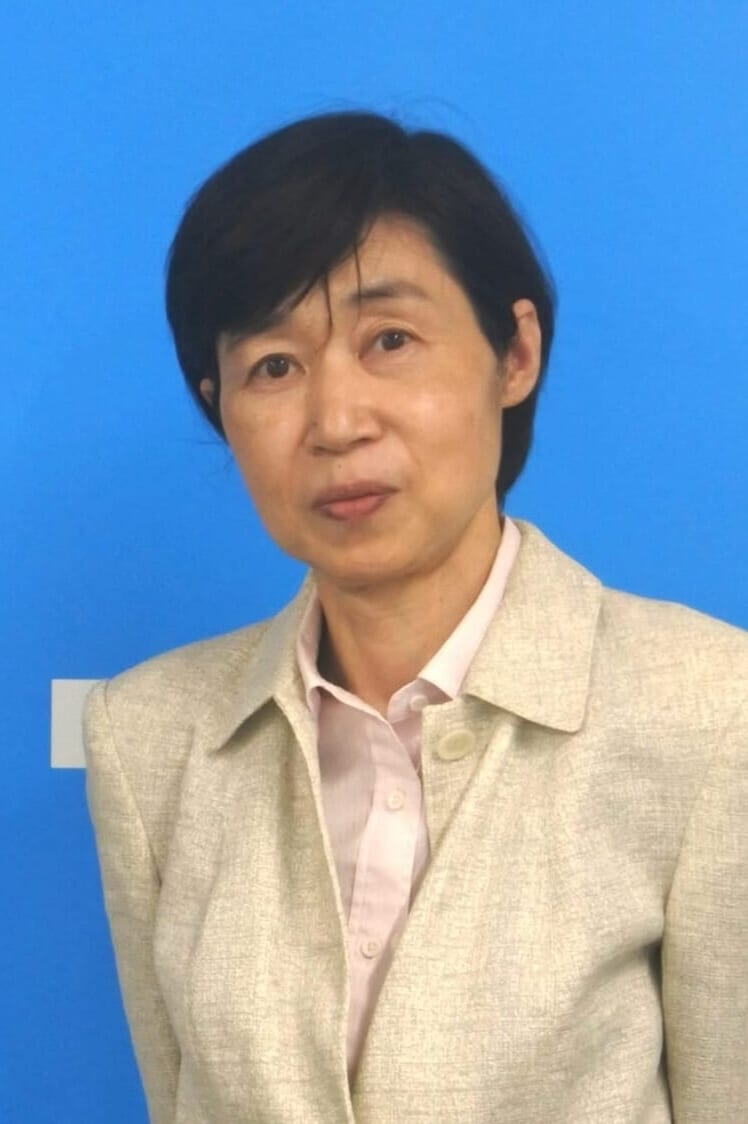
After working for UNICEF (United Nations Children's Fund) in the Philippines, Indonesia, and the Ministry of Foreign Affairs, she has been working at the Public Relations and Advocacy Promotion Office of the Japan Committee for UNICEF since 2013. She is the Manager of the Public Relations and Advocacy Promotion Office of the Japan Committee for UNICEF.