





Disaster Preparedness! Why do stockpiled foods last longer?
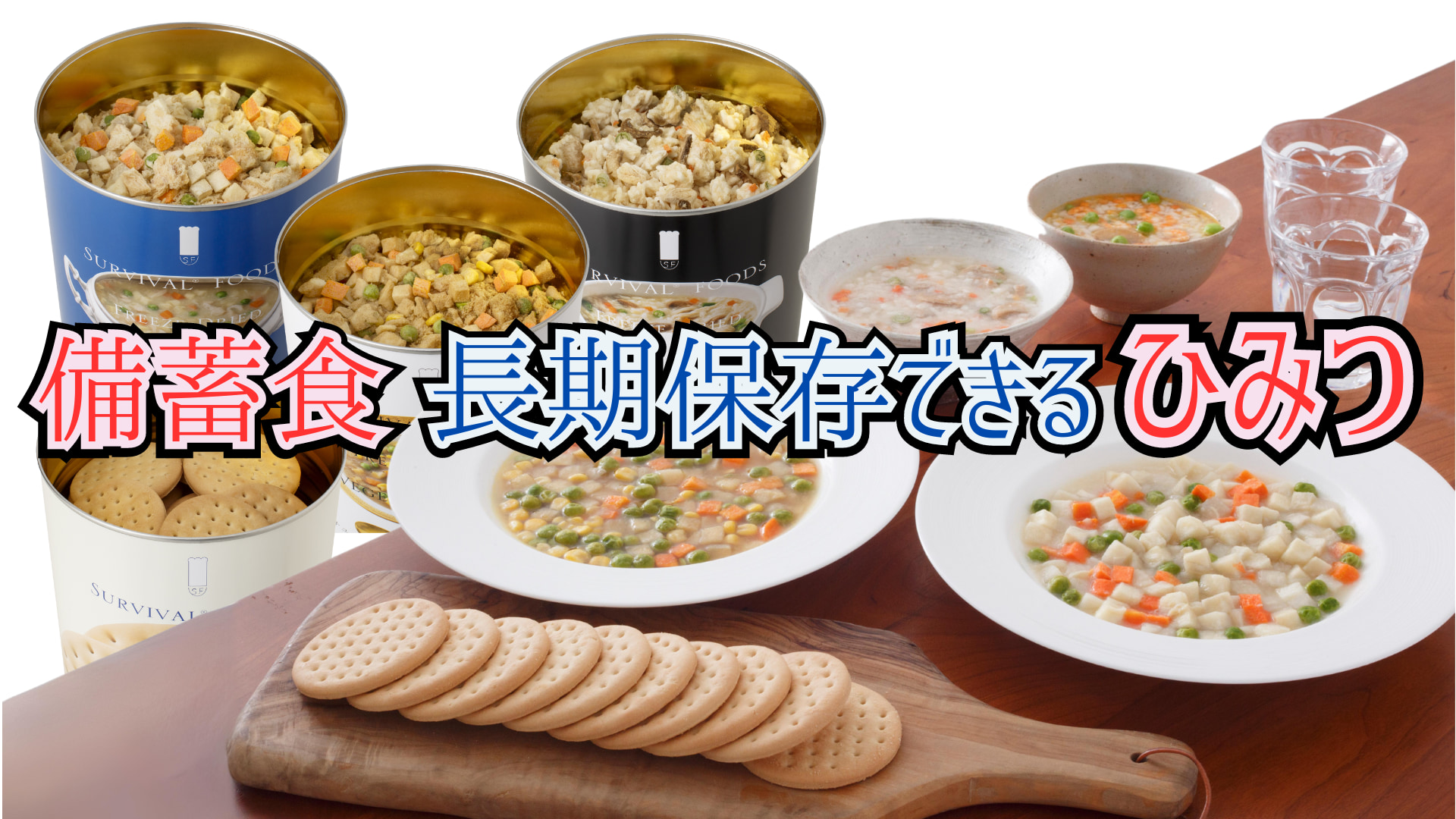
Disaster prevention items should be prepared at home on a regular basis in preparation for major natural disasters that may occur at any time, such as the Noto Peninsula earthquake on New Year's Day, 2024, and the Great East Japan Earthquake in 2011, which caused major damage from the tsunami. One of the most important items is food. It is recommended to have at least a three-day supply of food per person, and preferably a one-week supply. Stockpiled food" is useful for this purpose because it can be stored for a long period of time without spoiling over a period of years. The advantage is that you do not have to buy new food many times, and once prepared, you can rest assured that you will be safe for a while.
So why is it that stockpiled food, unlike ordinary food, can be eaten even after a long period of time? Most stockpiled food has a shelf life of around 5 years, but we will introduce the mechanism behind the longevity of stockpiled food using "Survival Foods," a product that can be stored for 25 years, as an example.
The enemy of food is moisture and oxygen!
To understand why stockpiled food lasts so long, consider why food becomes inedible in the first place. There are two main reasons why food becomes inedible. There are two main reasons why food becomes inedible: rotting and oxidation. Preventing these two causes will prolong the life of food.
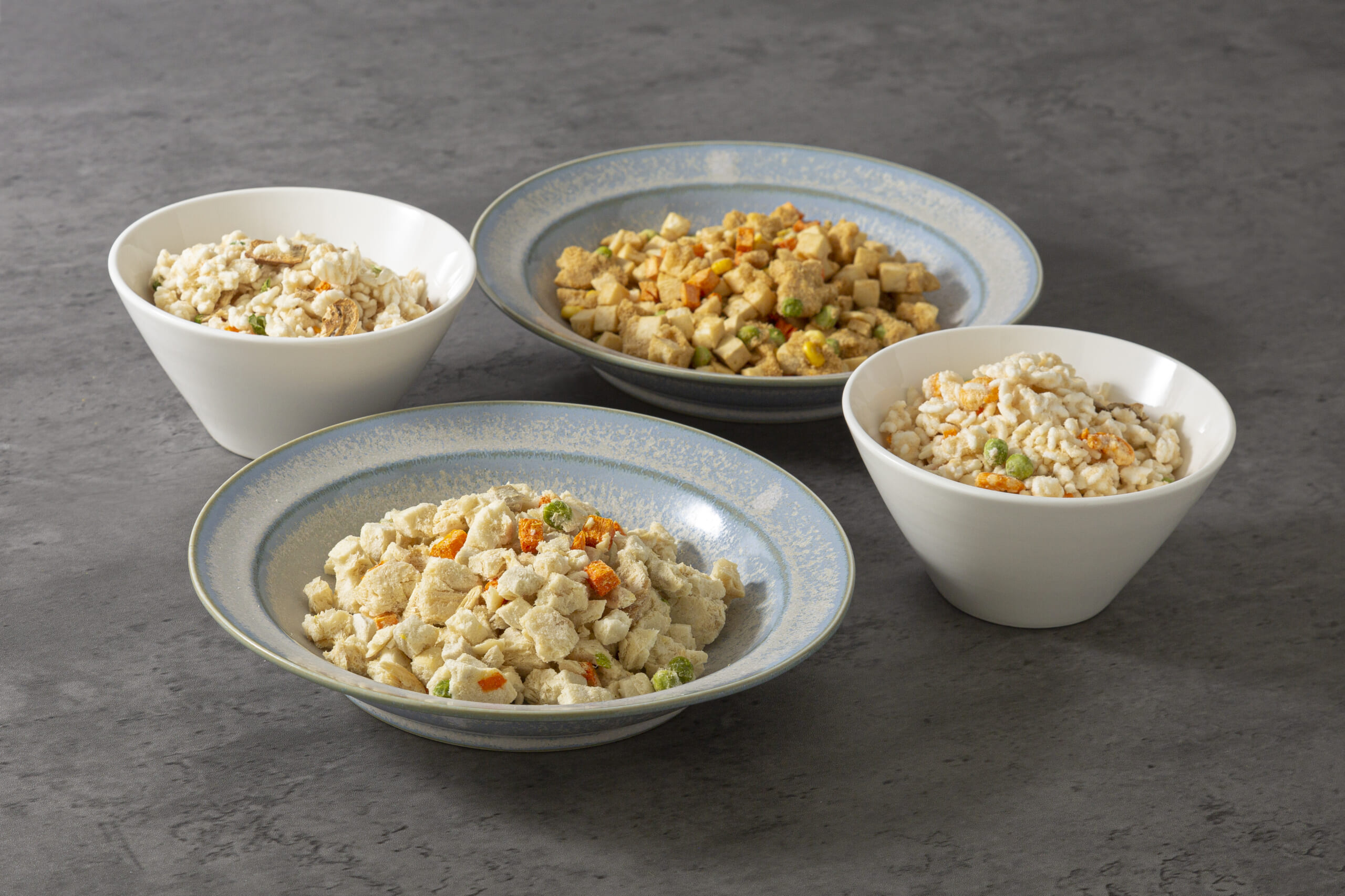
Point 1) Microorganisms increase and rot.
Spoilage is the increase of microorganisms in food and the increase of ingredients produced by microorganisms, which change the taste, smell, and texture of food and become poisonous to humans. In order to prevent food from spoiling, it is necessary to keep food free of microorganisms or to prevent them from increasing even if they are present.
Sterilization is a method of making the product microbe-free. In general, canned food is heated to a high temperature for a certain period of time to kill microorganisms. Once the microorganisms are killed, the food is no longer perishable. In some cases, preservatives that are approved for use in food are used.
Remove "free water" that increases microorganisms
One way to keep microorganisms in food but not increase them is to eliminate water from the food. This is because microorganisms always need water to be active. In food, there is "bound water," which is attached to food components, and "free water," which is not attached to anything and is in a free state. Only free water can be taken into the body by microorganisms. Therefore, if free water is removed from food, microorganisms cannot increase because they cannot obtain water, and the food will not spoil.
Reducing free water makes food last longer, for the same reason that pickles, jams, and dried foods, for example, last longer. In the case of pickles, free water becomes bound water when it attaches to salt, so microorganisms do not increase. Similarly, in jam, the free water sticks with sugar. Dried foods evaporate the free water by drying.
Survival Foods, with a shelf life of 25 years, uses a method called "freeze drying" to remove most of the free water from the food. Specifically, the food is first frozen at 30 degrees below zero. Then, when a vacuum is created around the food, the free water frozen in the food is suddenly converted to gas (water vapor), which can then be removed.
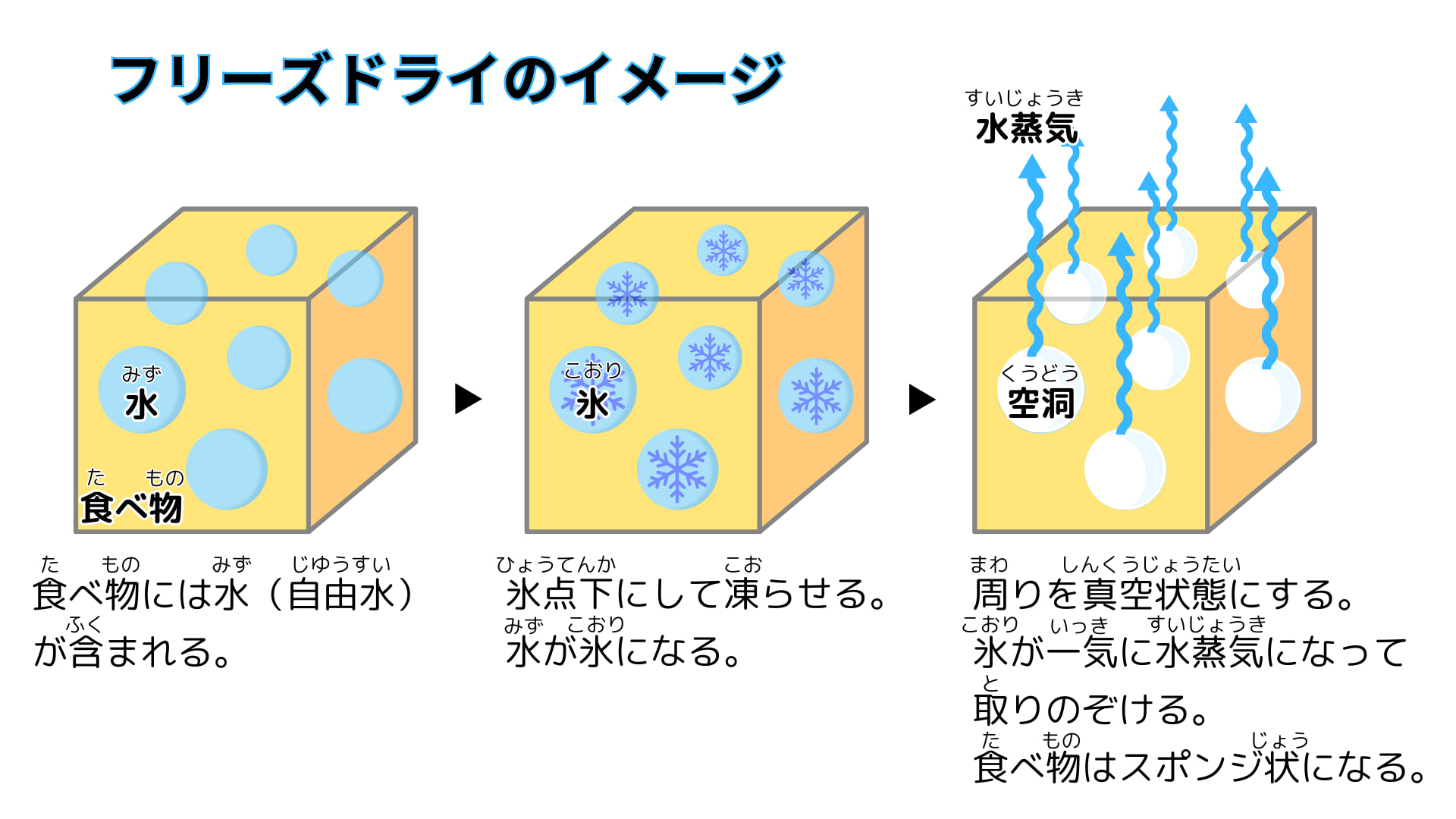
The amount of free water in food, i.e., whether it is perishable or not, can be determined by a criterion called "water activity". Water activity is expressed as a number between 0 and 1. Pure water is 1 because all water is free water, and 0 if there is no free water at all. The lower the number, the less free water there is and the less likely it is to spoil. If the water activity is less than 0.5, all microorganisms cannot live or increase.
Point 2) When oil oxidizes, it does not taste good.
Another major reason why food becomes inedible is that fat and oil components react with oxygen and "oxidize. When fats and oils oxidize, food becomes stale and tasteless. Depending on one's physical condition, it can also cause nausea and diarrhea.
Just being exposed to air is no good.
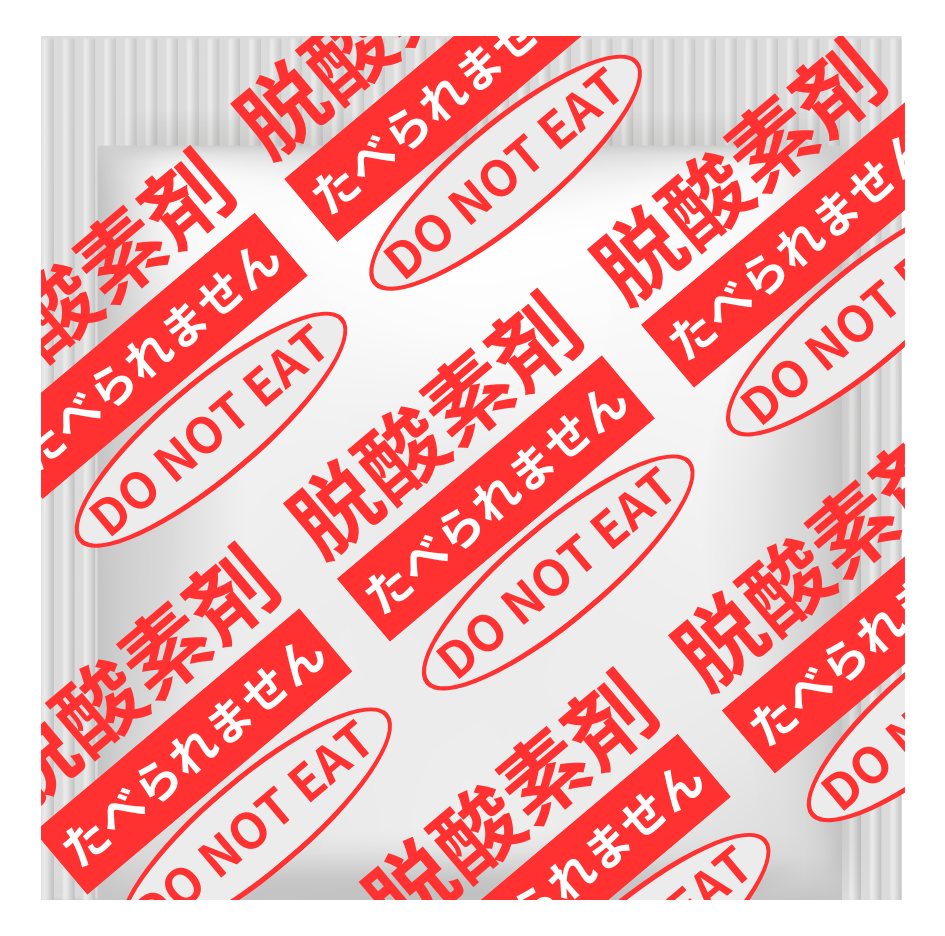
Some of the fat and oil components in food react with oxygen simply by being exposed to air. Therefore, the key to making food last longer is to keep it from coming into contact with oxygen in the first place. Survival Foods and many other stockpiled foods contain "oxygen absorbers" that can remove oxygen from the air in the container.
Foods processed through freeze-drying, like Survival Foods, are spongy, with a hollow space where originally there was frozen free water. Since air can enter there instead, it is more important to remove the oxygen thoroughly.
In addition, oil and fat components can react with water when exposed to high temperatures, resulting in poor quality. However, if freeze-dried or other stockpiled foods that have had the water removed are protected from outside moisture, there is little concern about the oil and fat components reacting with water.
Point 3) Containers that do not allow moisture or air to enter
It is meaningless if moisture and oxygen, which have been removed, enter the container from the outside during storage. Therefore, it is important to use containers that are tightly sealed and that are not perforated or otherwise damaged.
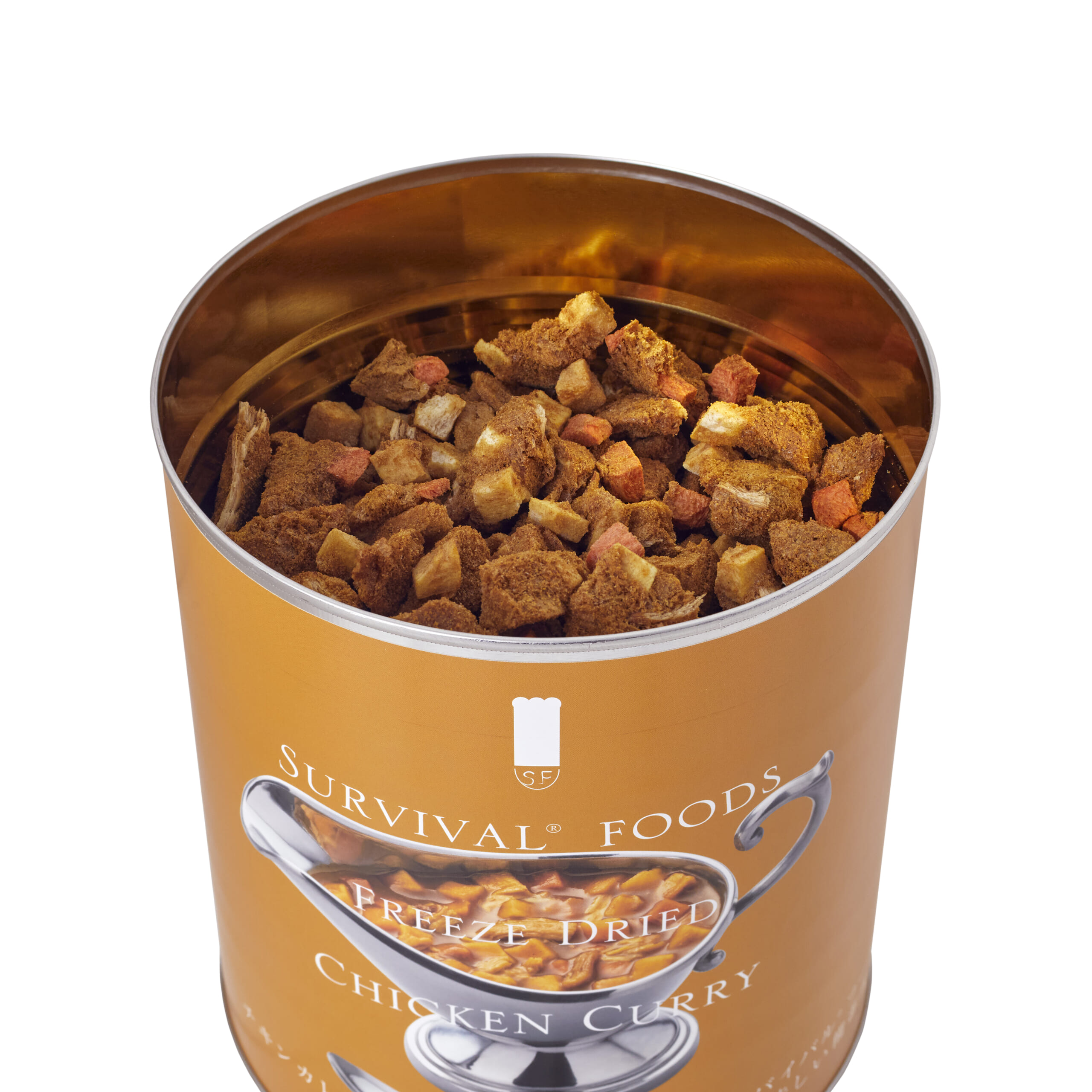
Survival Foods is made of steel cans, and the containers are coated on both the inside and outside with an anti-rust coating to prevent rusting and damage. In addition, we only make pull-top cans that can be opened with a can opener, because "pull-top" cans, which can be easily opened without using tools, originally have a slit in the container, increasing the possibility of moisture and air getting into the can.
Point 4: Fast forward in time with experimentation, and confirm by eating at the end.
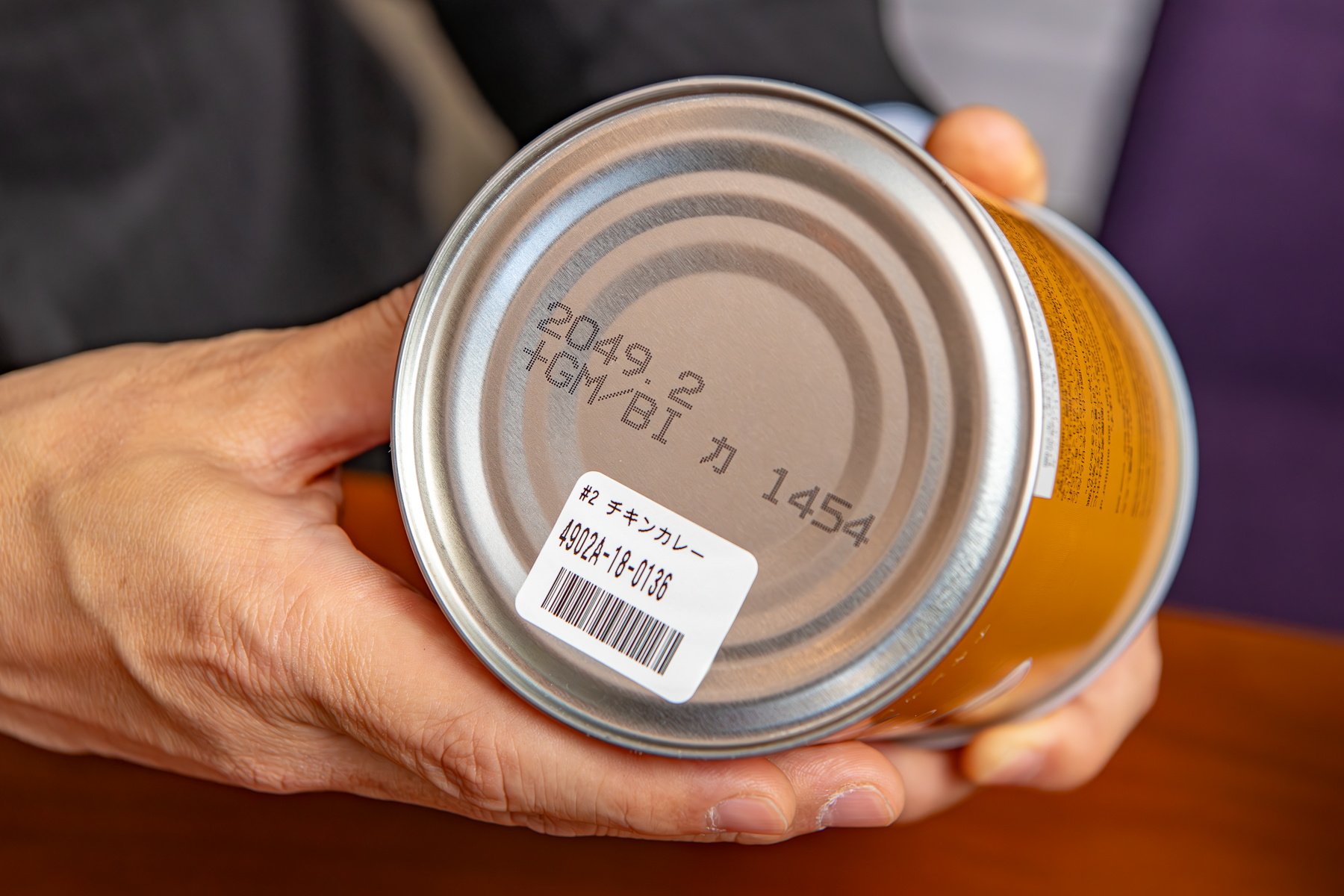
Survival Foods has a shelf life of 25 years, but how on earth can you be sure that it will still be safe and delicious 25 years from now?
It is not realistic as a business to develop a stockpile of food and actually check its quality after 25 years before releasing it.
Accelerated testing is used to confirm the longevity of various products, not only food products, but also other products. Accelerated testing is based on the Arrhenius equation, which states that the speed of chemical reactions such as oxidation of fats and oils increases two to three times faster when the temperature is increased by 10 degrees Celsius. In other words, if the storage temperature is set 10 degrees Celsius higher than the room temperature, it is possible to check the condition of the product after one year, which is equivalent to two to three years. In this way, the necessary time is shortened, and the quality of the future state is confirmed through experimentation and utilized in setting the expiration date.
Also, Survival Foods still has products that were made over 40 years ago, and they analyze their condition, and at the end of the day, people actually eat them to make sure they are safe and that the taste has not changed.
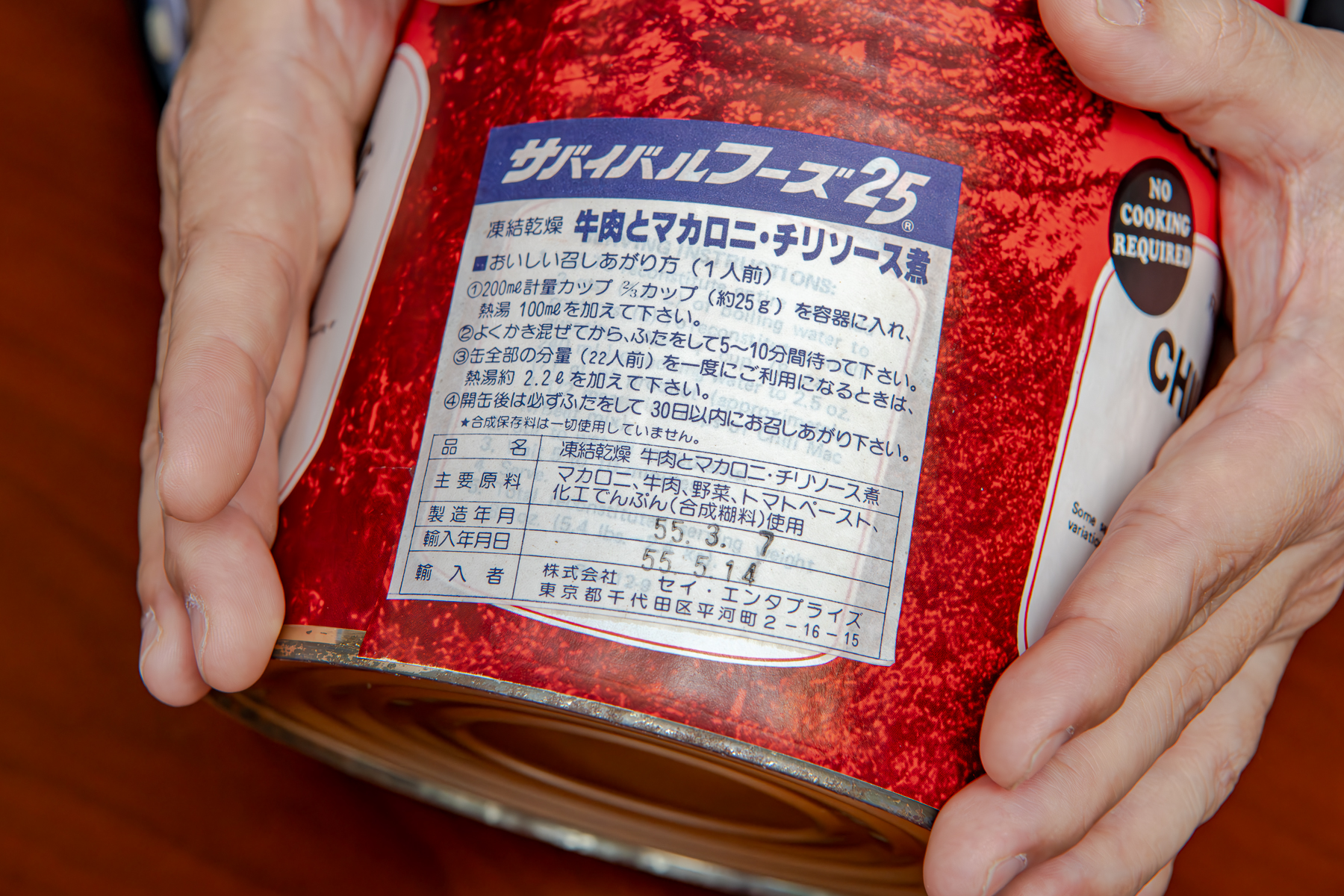
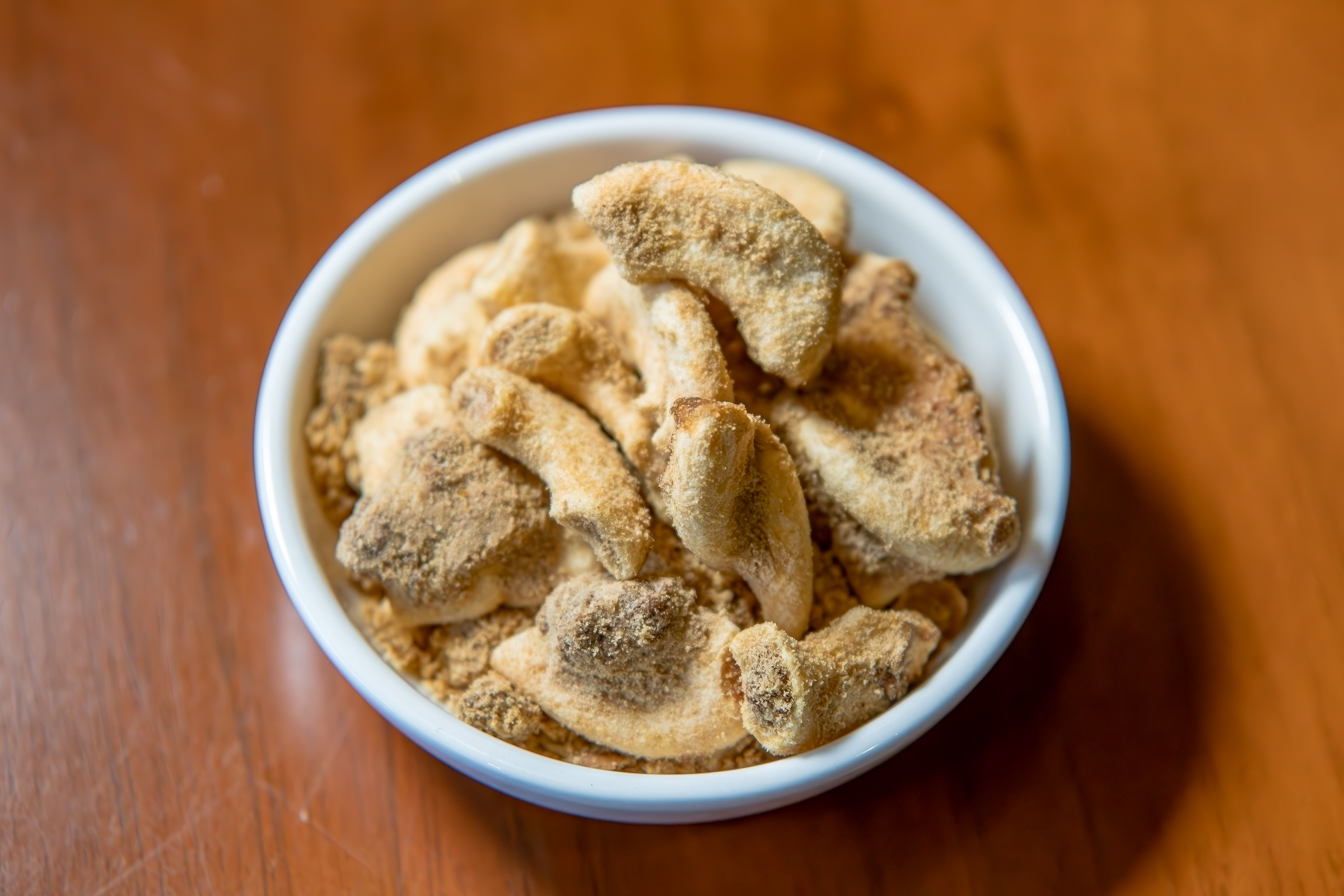
Stockpiled food is thus constituted as something that can be eaten even after a long period of time by (1) removing water, (2) removing oxygen, (3) preventing water and oxygen from entering the food, and (4) making sure that the food is of future quality.
What about water? Is preserved water different from ordinary water?
In the event of a disaster, water is just as important as food. 3 liters per person per day is said to be necessary. Stockpiled water is known as "preserved water" and can be stored for 5 to 15 years. The reasons why stored water lasts longer are also introduced.
The difference is more in the container than in the contents.
For example, if we compare preserved water in plastic bottles with ordinary mineral water, the liquid contained as the content is not very different. If both are sterilized by using ultraviolet rays or other means, they are free of microorganisms that can cause food to spoil. As long as they can be kept in the same condition, they can be preserved indefinitely.
The major difference is the container and packaging used to keep the water in its original state. The PET bottles used to contain preserved water are thick and sturdy. This is to prevent impurities from entering from the outside due to deformation or scratches. The container is filled to the brim with liquid, and the lid is double-sealed to prevent water vapor and air from entering or leaving the container.
The cardboard boxes in which the bottles of preserved water are stored are thick enough to absorb shocks and have no holes for carrying to prevent light, insects, and small animals from entering.
However, the fact is that plastic bottles allow air to pass through, albeit only a little. After a long time, the smell of the surrounding environment and the PET bottle itself will be transferred to the water. Unlike juice, water is not flavored, so this slight odor can often make people feel that the water tastes "different" or "not as good as usual. Some preserved water manufacturers value this "good taste" and set a specific shelf life, even though a longer time is not a problem if it is only for safety.
Be careful how you store it.
Both stockpiled food and stored water are designed to be safe and delicious over a long period of time. However, they can be ruined by dropping them during transportation, leaving them in a hot place, or making other small mistakes in storage. Please take this opportunity to check if you have a stockpile of food and water at home, and how long it will last, as well as if you are following the proper storage methods.
Interview supported by Sei Enterprises Inc.
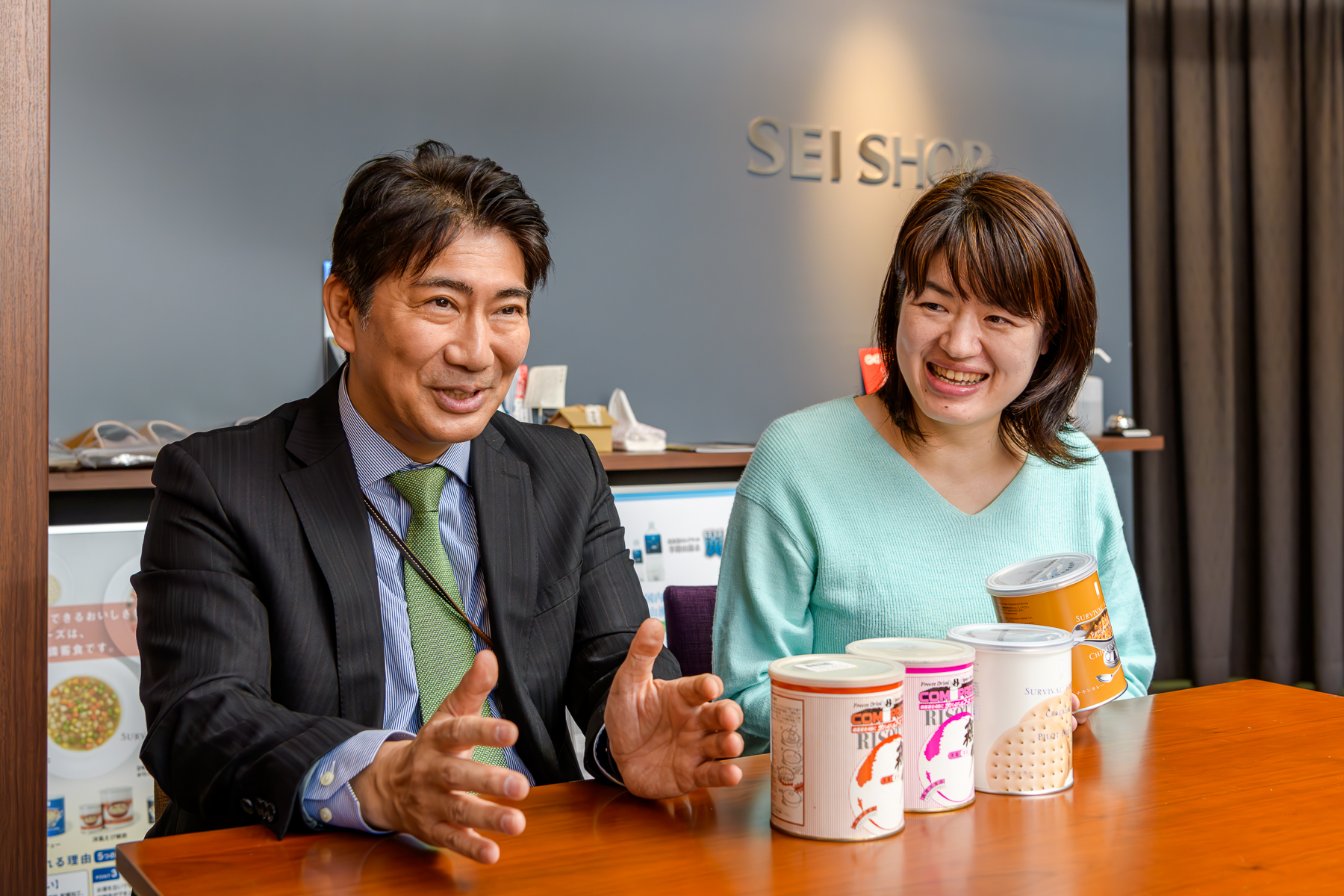
A leading manufacturer of long-term food storage foods, including the Survival Foods series of delicious stockpiled foods with a 25-year shelf life and Survival Foods supplements that can be stored for 7 years. Survival Foods are freeze-dried foods that can be eaten in 5 minutes by pouring hot water or 10 minutes by pouring water as well, and include stews, curries, porridge, and other varieties. The company representative is Masaya Hirai.
There is a shoe room "Sei Shop" in Chiyoda-ku, Tokyo. The store manager is Yuki Nunoyama, a disaster prevention specialist.
Sei Enterprise HP = https://www.sei-inc.co.jp/
Seishop HP = https://www.seishop.jp/