





Kieu in Pictures: Everyday Life with War Two Years After Russia's Invasion of Ukraine
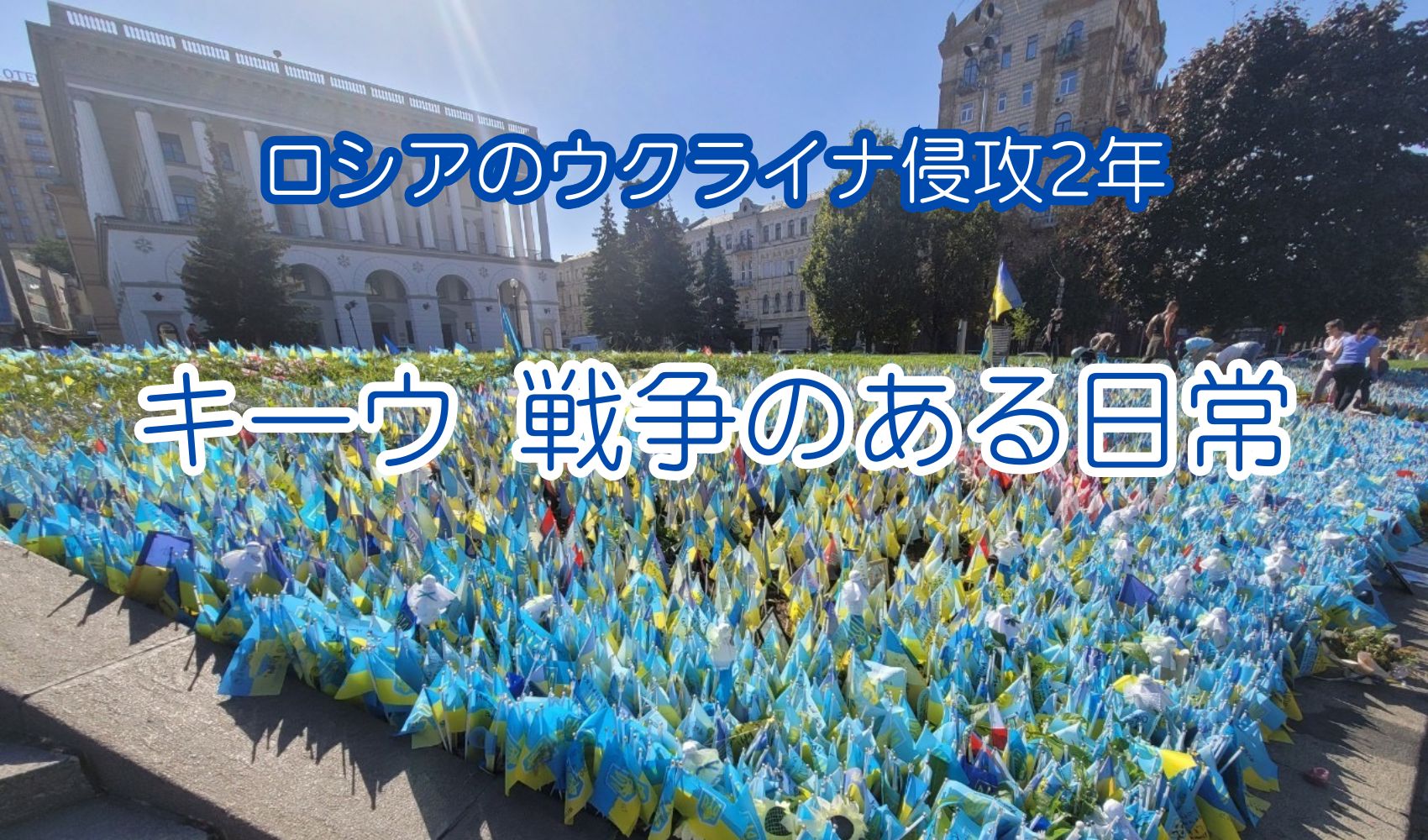
The war that began with Russia's invasion of its western neighbor, Ukraine, has been going on for two full years in February 2024. The people of Ukraine are now forced to live their daily lives while accepting the fact that they are at war as a part of their everyday life. Yoshihiko Okabe, an expert in Ukrainian studies, visited Khiu, the capital of Ukraine, in September 2023. Khiu is located in the central part of Ukraine and is a calm environment compared to the southeastern region where fierce fighting with Russian troops continues. Although parks are lined with flags bearing the names of war victims and air raid alarms sometimes sound at night, the streets are still beautiful and there are restaurants and concerts. We asked Mr. Okabe to report on such a life with war, along with photos.
Why? Why? Russian Invasion of Ukraine
The Japanese government is now advising people not to go to Ukraine and to evacuate those already in Ukraine. Mr. Okabe visited Ukraine for the first time in three years because he received a special invitation to an international conference in Khiu and to a ceremony to receive the highest order of honor awarded by the Supreme Council of Ukraine (Parliament).
Air raid warning app on your phone
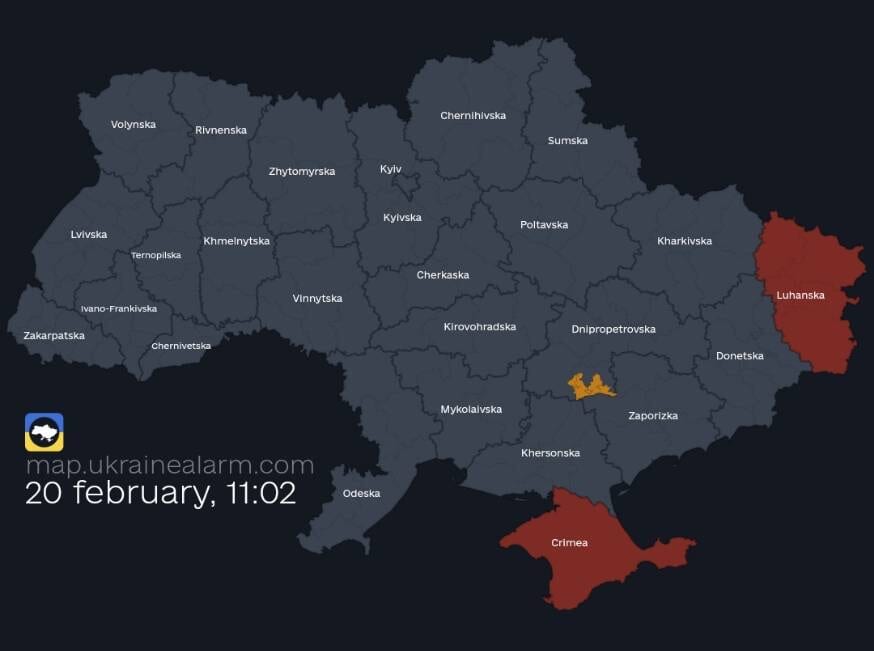
When you enter Ukraine, you will import the "Air Raid Warning App" into your phone. If you are in an area with an air raid warning, an alarm sounds to let you know. When I visited Kiev, I was hit by an air raid warning only once in 5 days.
After evacuating by stairs from the 10th floor of the hotel to the basement shelter
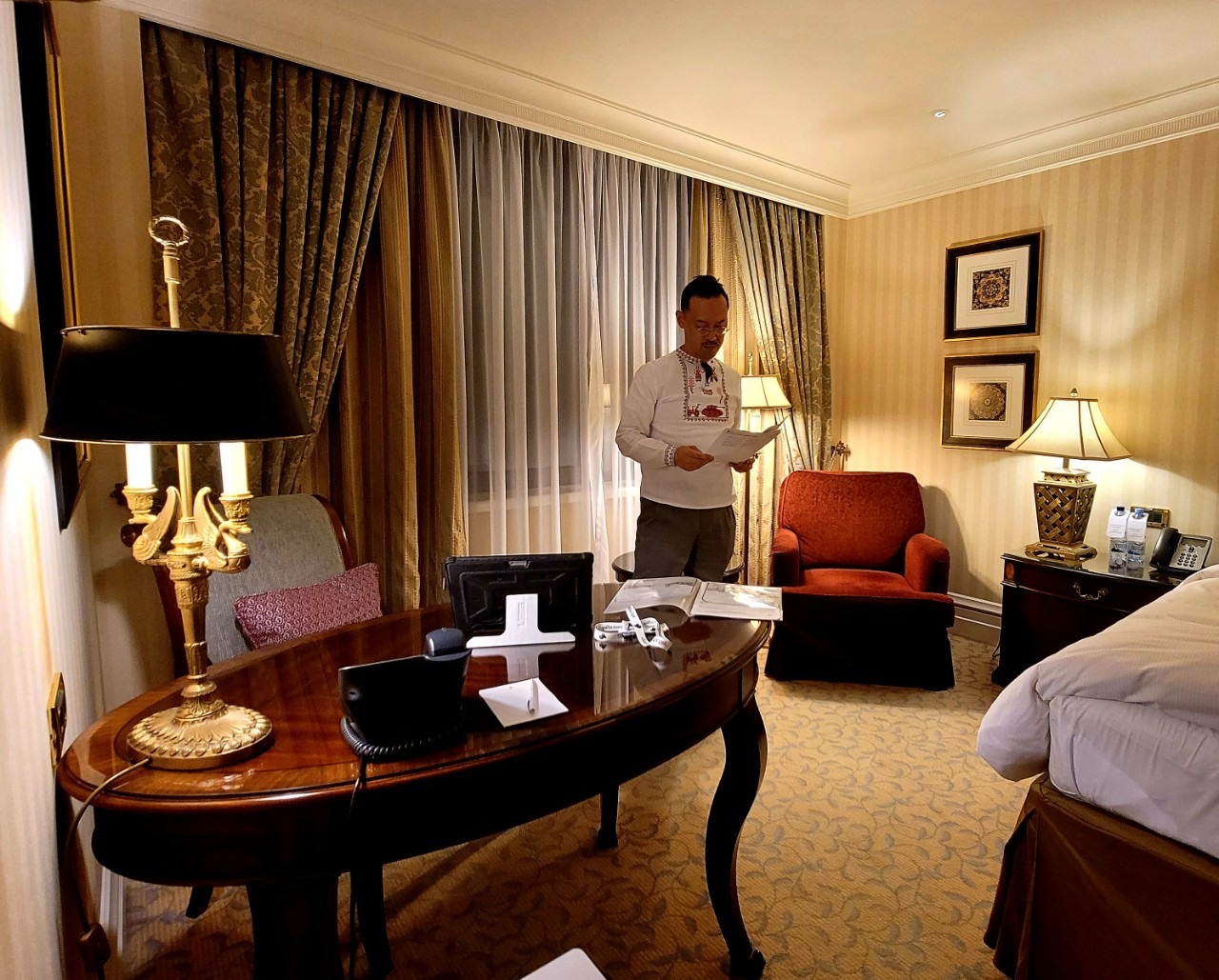
I was asleep in bed at 1 a.m. when my phone went "woo-woo" and I jumped out of bed. I was told that Keeuw's air defense system is excellent and can shoot down most of the missiles on their way to us. Still, we decided to evacuate just in case. We were staying in a room on the 10th floor of the hotel. We quickly took the stairs to the shelter on the third basement floor, still in our nightclothes.
Breathing on my shoulder, when I finally reached the shelter, I found myself alone there. No other guests had evacuated, and the hotel staff seemed surprised that anyone had evacuated. The employee further wondered why I had taken the stairs. In Japan, it is "normal" not to use elevators in case of disasters such as earthquakes and power outages. In Kieu, they seemed to have become so accustomed to air raid warnings that they would use elevators and not even evacuate.
I felt bad that the hotel employees could not rest either because I was the only one in the shelter, so I returned to my room in less than an hour. On my way back, I used the elevator "Keeuw-style" to the 10th floor, instead of taking the stairs.
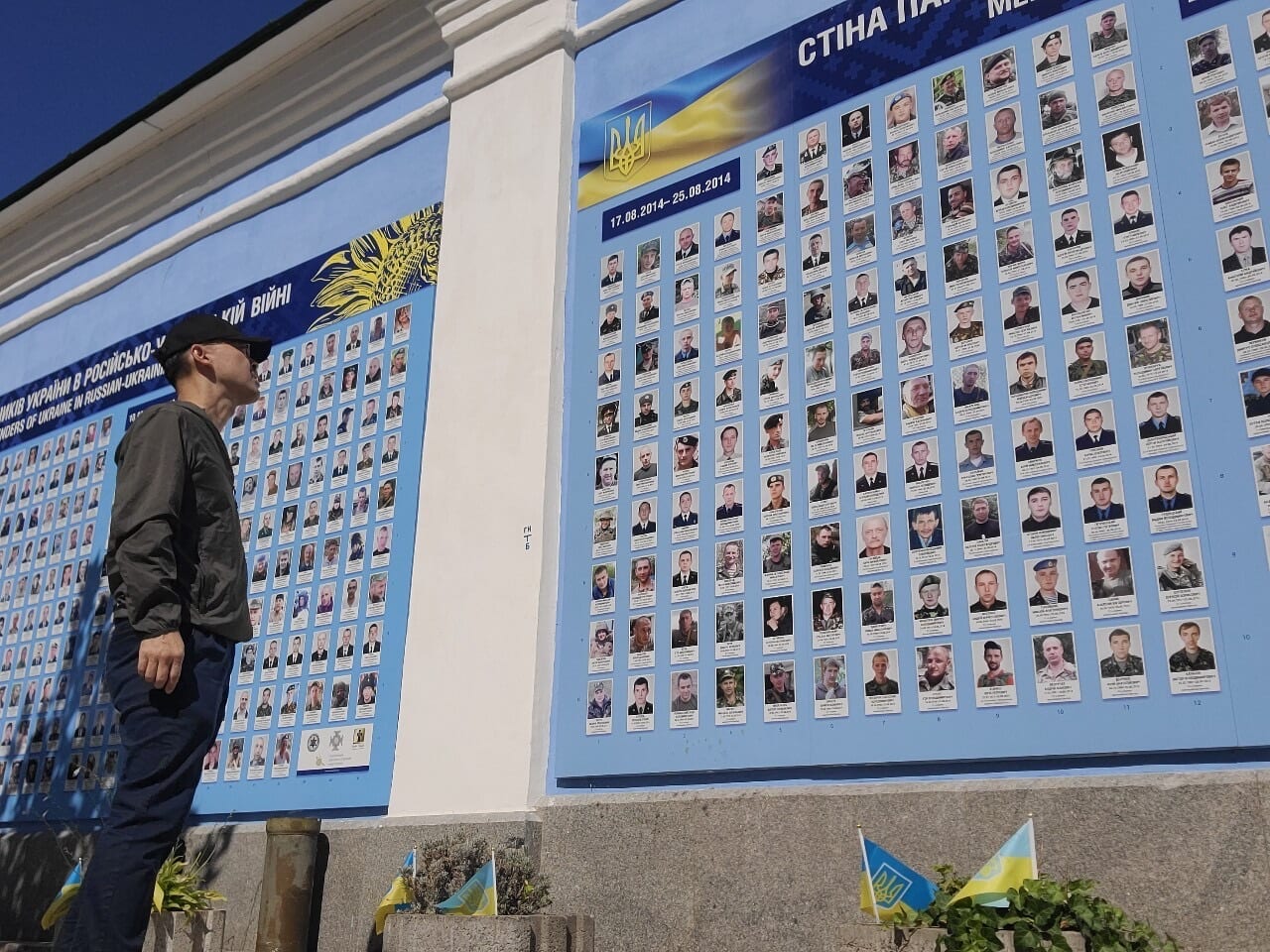
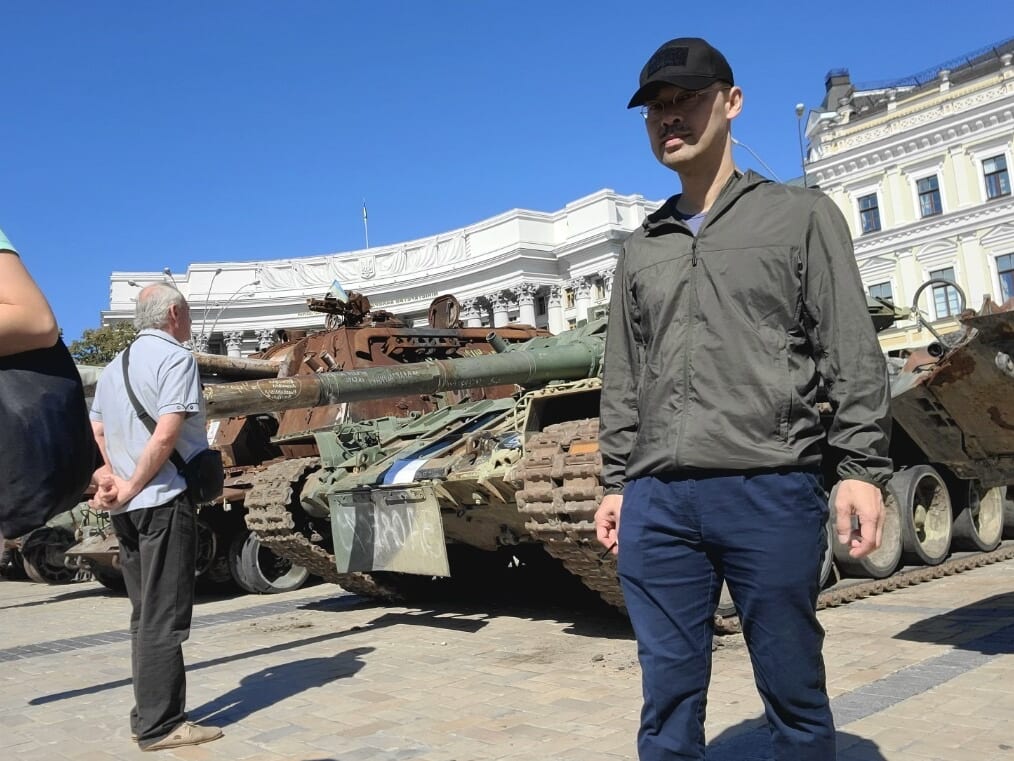
Many flags and photo panels in memory of the victims
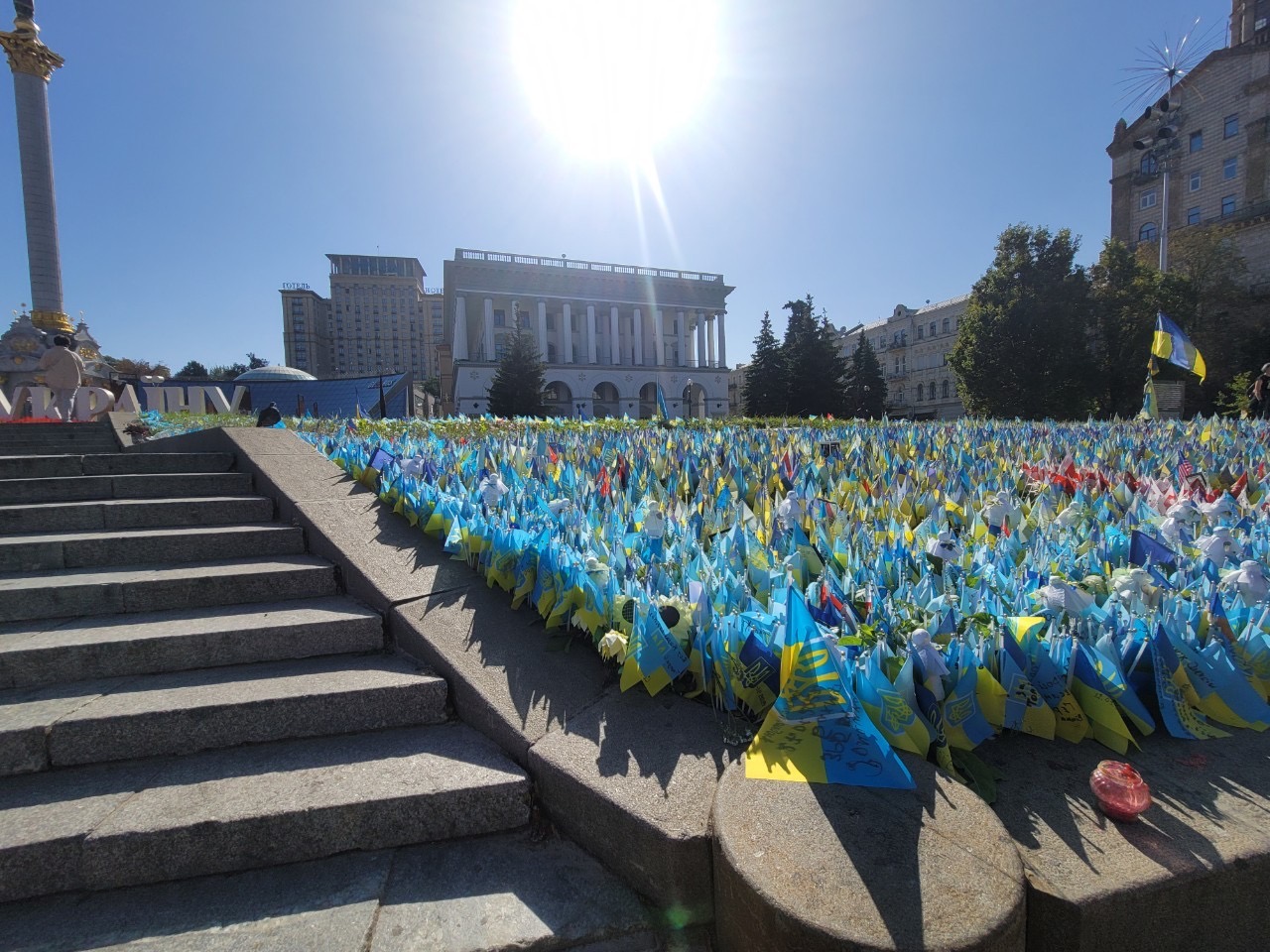
The Independence Square in Kiev is decorated with many small Ukrainian flags. On each of the flags are written the names of the victims of the war. In the city, there are also panels with photos and profiles of the victims and a space where real tanks are displayed, reminding us that we are still in the middle of a war.
International conference held in an underground air defense facility
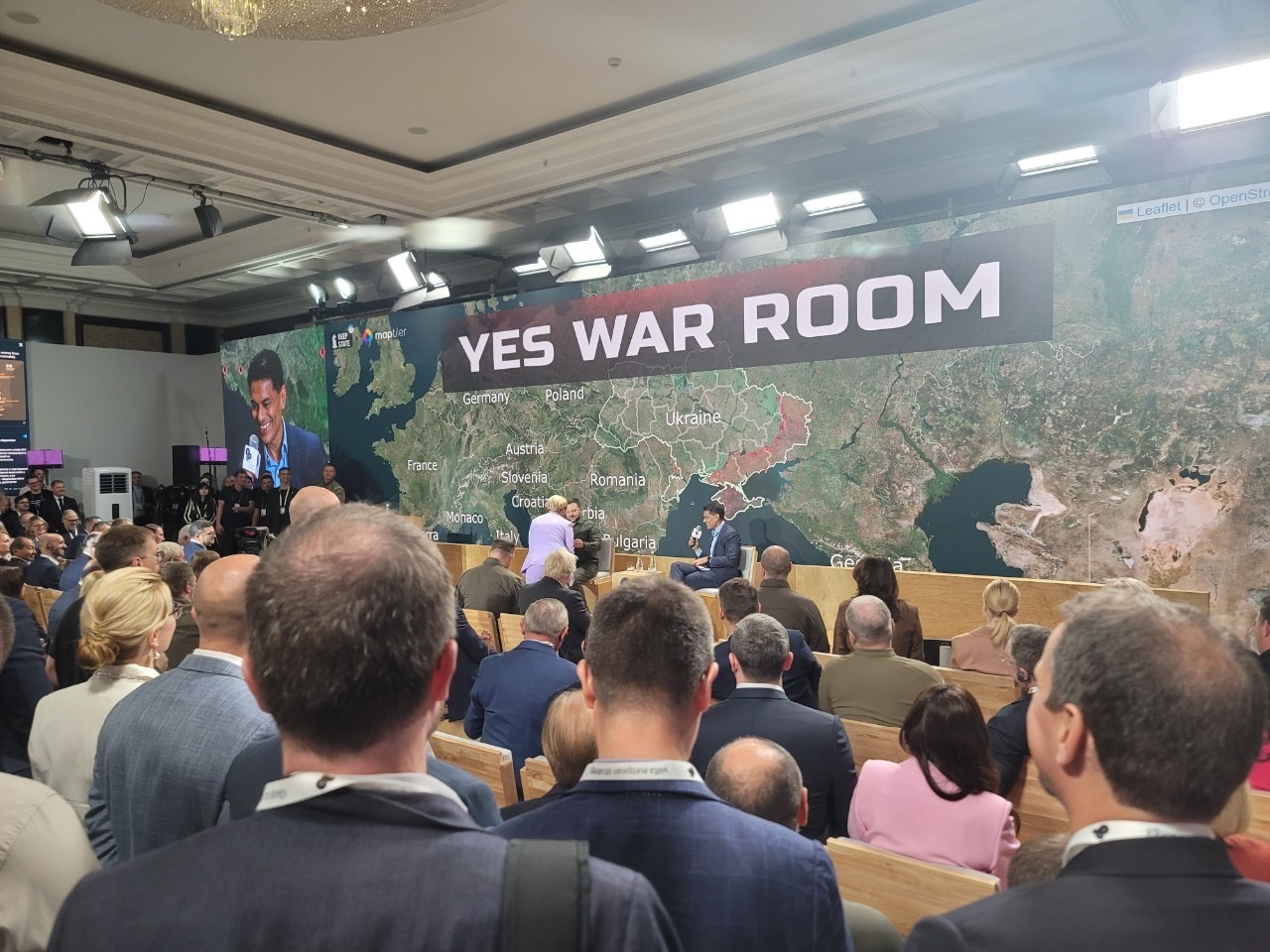
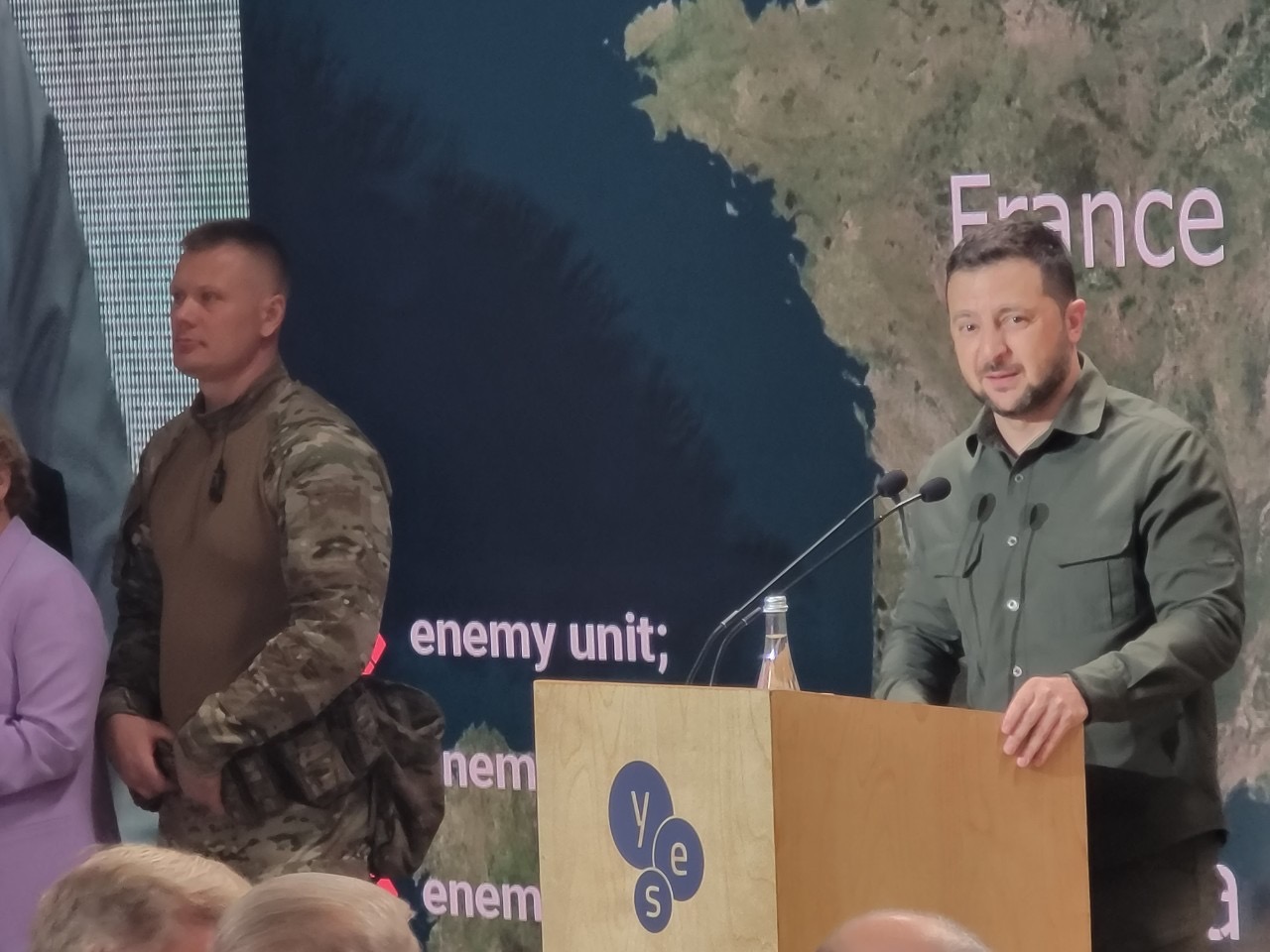
The venue for the international conference was an underground air defense facility. At the international conference, experts in various fields from all over the world gathered to talk about social and political issues not only in Ukraine but also in the world. Ukrainian President Zelensky also spoke, at one point thanking the world for its support regarding the war with Russia.
Surprising Fact! Ukraine does not suffer from food shortages even in times of war
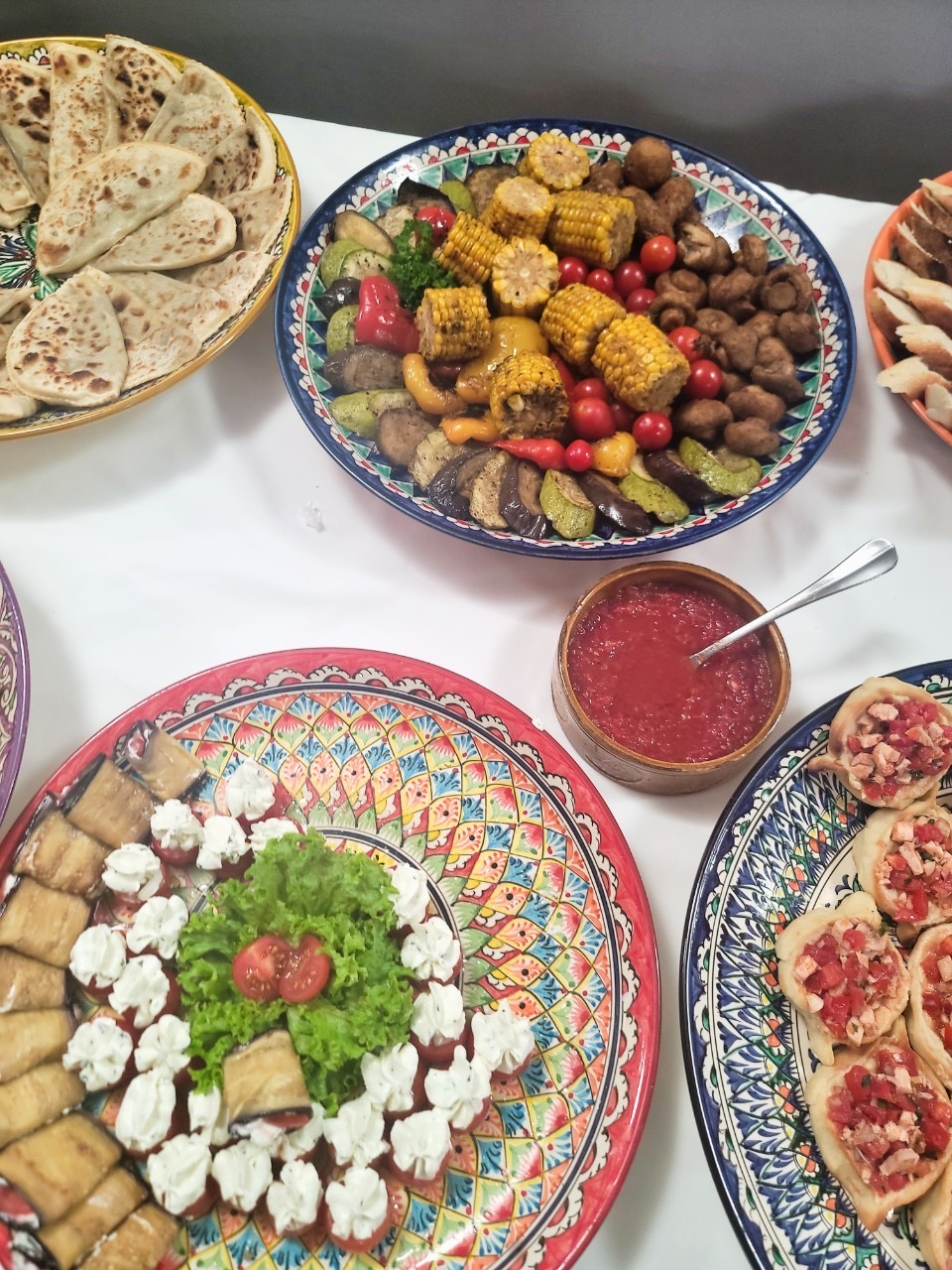
The dishes served at the international conference were Ukrainian and Crimean Tatar cuisine. Crimean Tatar cuisine is a native cuisine that originated on the Crimean Peninsula. It is colorful and appetizing. It is delicious and seasoned in a way that Japanese people would feel comfortable eating it.
If Japan, for example, relies on imports from abroad for much of its food, it will soon run out of food if war breaks out and foreign exchange is restricted. However, Ukraine is one of the world's leading grain exporters, and even after the war began, there was no shortage of food. Rather, there was a risk of food shortages in Africa and other regions that could no longer import grain from Ukraine.
Beautiful scenery, world heritage safe.
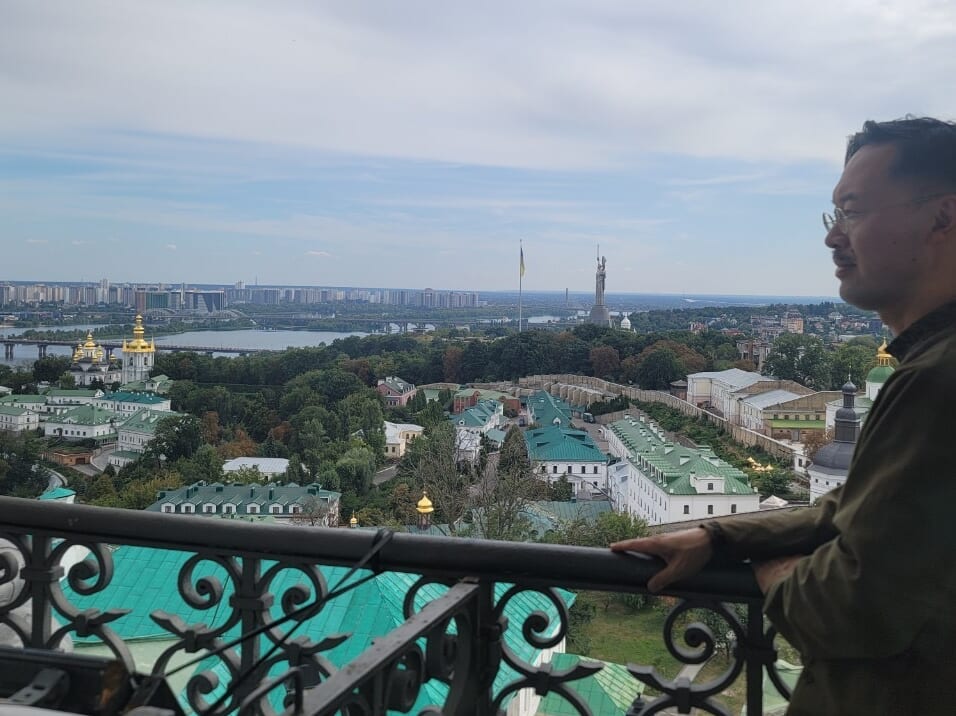
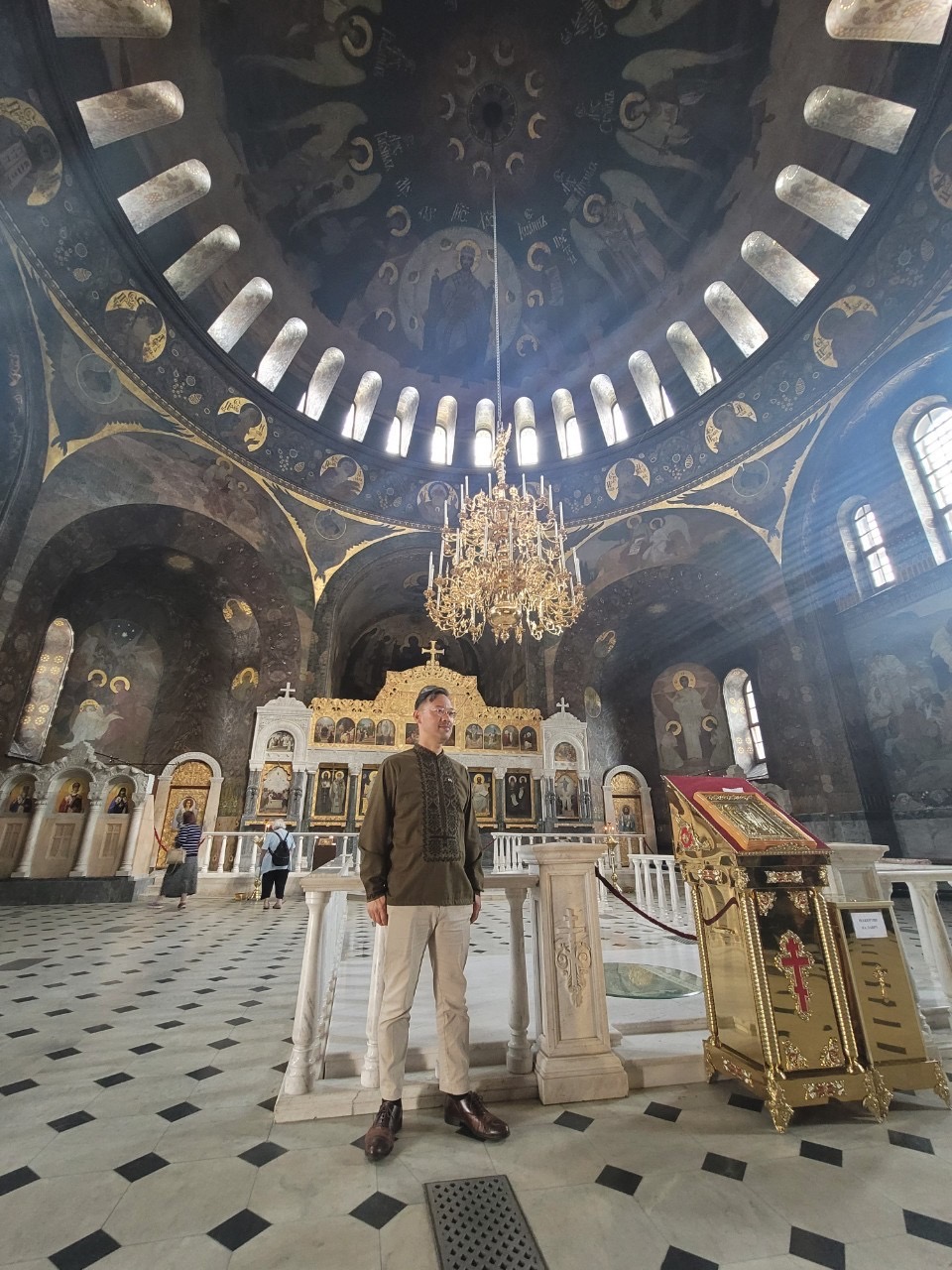
A beautiful view of Kieu. For a while after the war began, the city was hit by Russian missiles, but the damaged areas have already been repaired and organized, and at first glance there are no signs of war. There are many damaged cultural heritage sites in Ukraine, but the Pechersik Monastery in Khiwo, which is registered as a World Heritage site, is intact.
Unintended Consequences
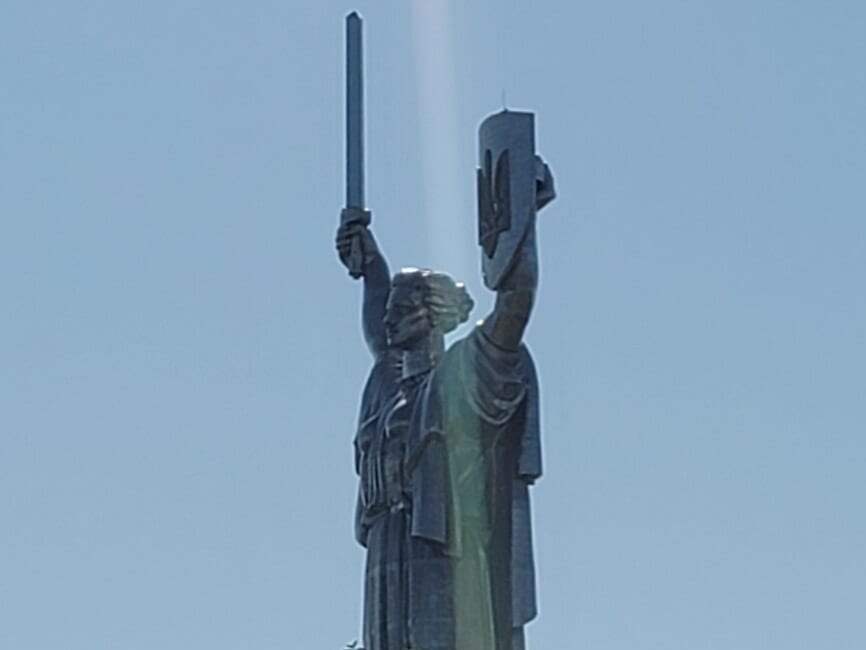
There are also some unexpected war effects. The statue of the "Mother of the Motherland," more than 100 meters tall, was erected in Kieu during the former Soviet Union era, with the national emblem of the former Soviet Union on the shield held in its left hand. As opposition to the invading Russia grew stronger, the shield was replaced with the Ukrainian national emblem, with the intention of severing ties with the former Soviet Union, which had been led by Russia.
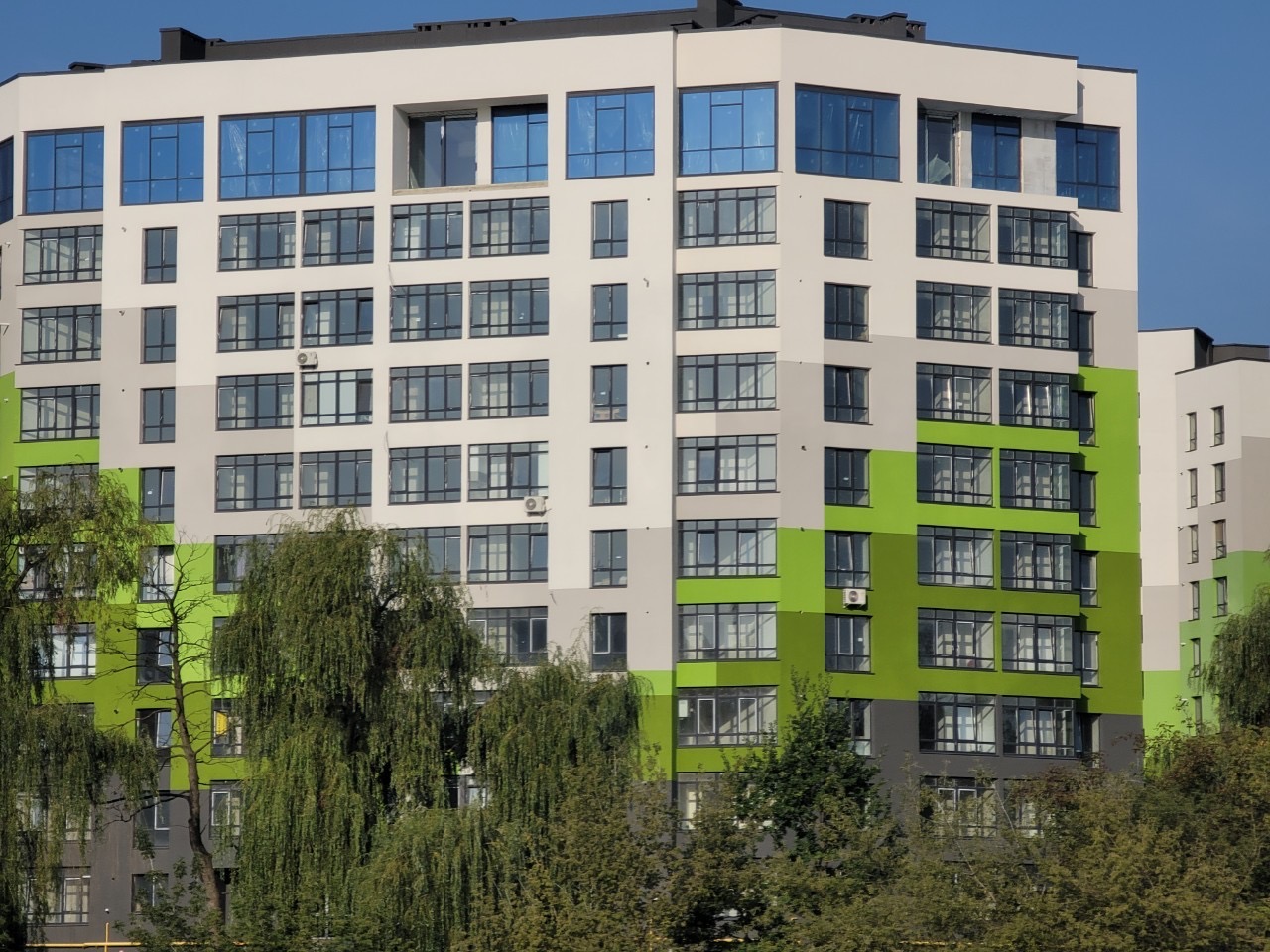
The Ivano-Frankivsk Oblast in western Ukraine is home to many evacuees from eastern cities such as Kiev. The population of Ivano-Frankivsk Oblast is growing, and many people want to build condominiums, and luxury apartments are being built. Efforts are also being made to provide rehabilitation and prosthetic limbs to soldiers who have been seriously injured or lost their limbs for when the war is over. Japan's Hyogo Prefecture and other organizations plan to support the rehabilitation and provision of prosthetic limbs.
Every day goes on, even in the midst of war.
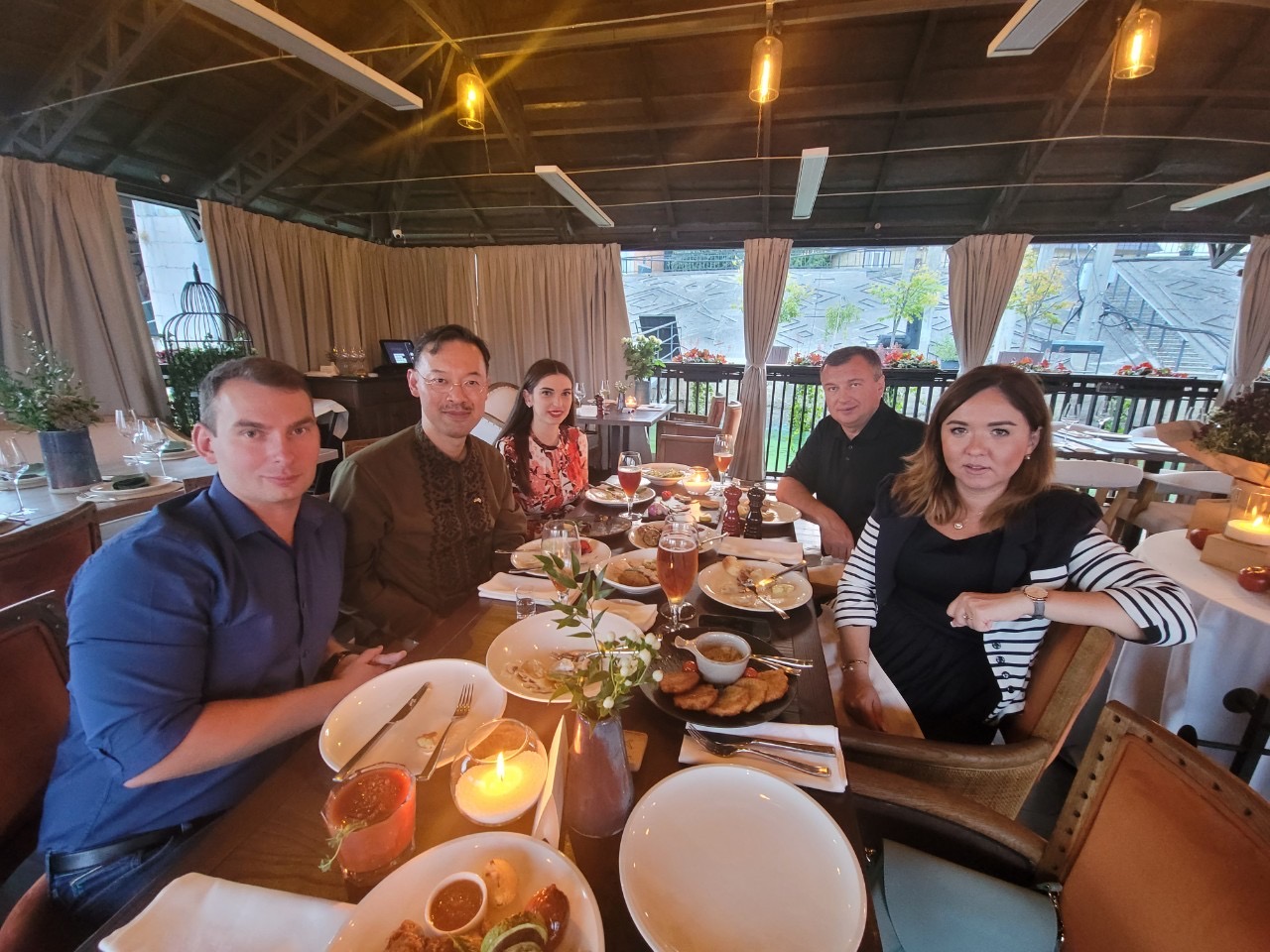
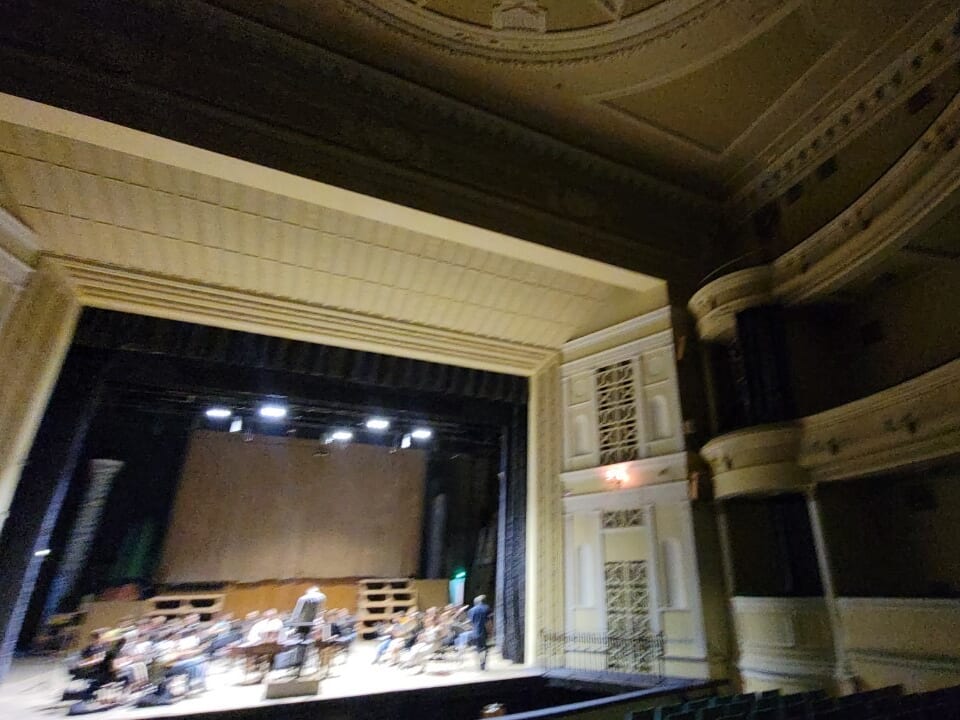
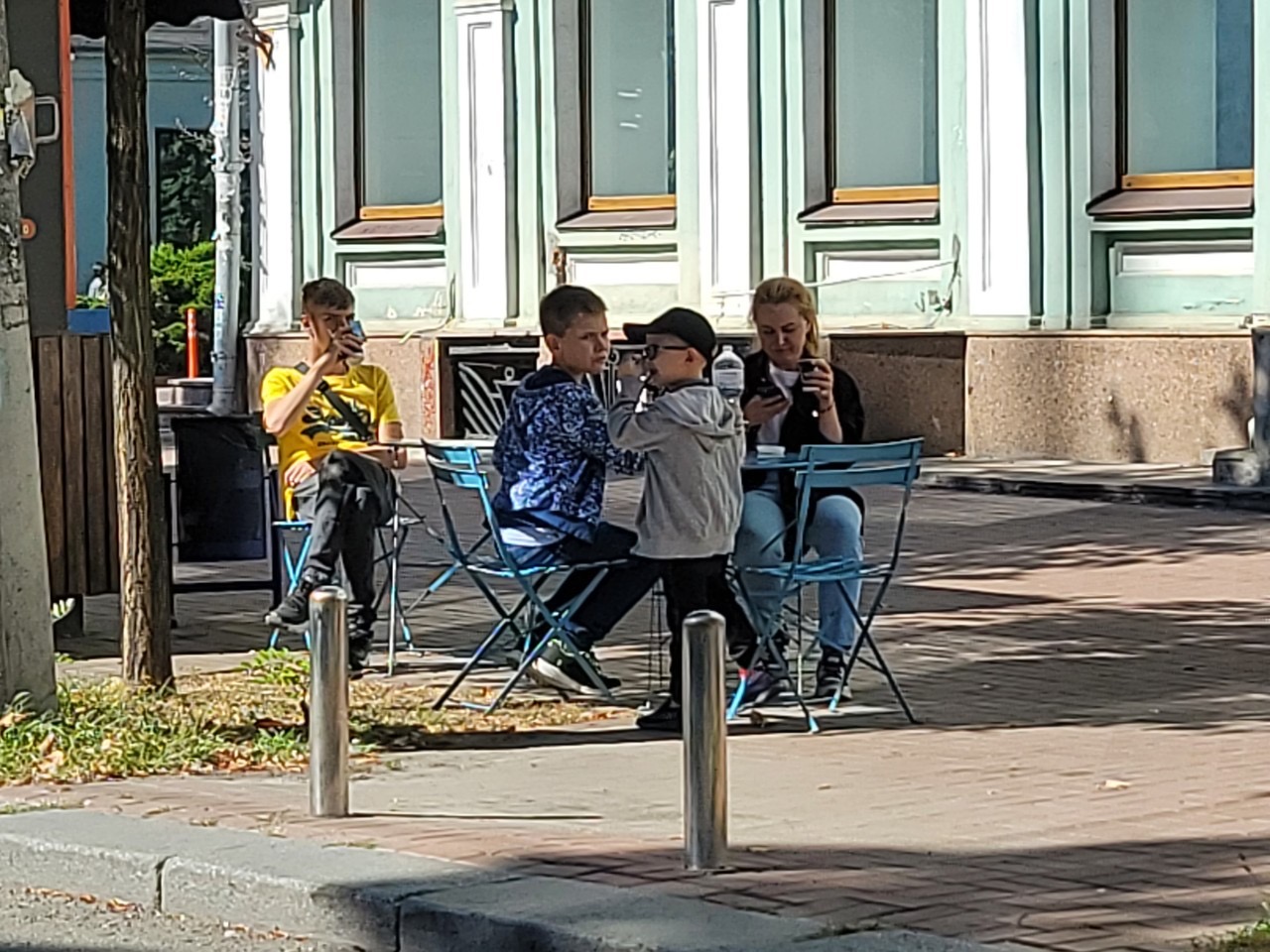
Even during war, people have to live there every day. There are meals at restaurants, concerts and other events, and family gatherings. This is no different from Japan. While we are still worried about air raids and sad news about people close to us, we want to live like human beings for most of the rest of our lives.
岡部芳彦さん
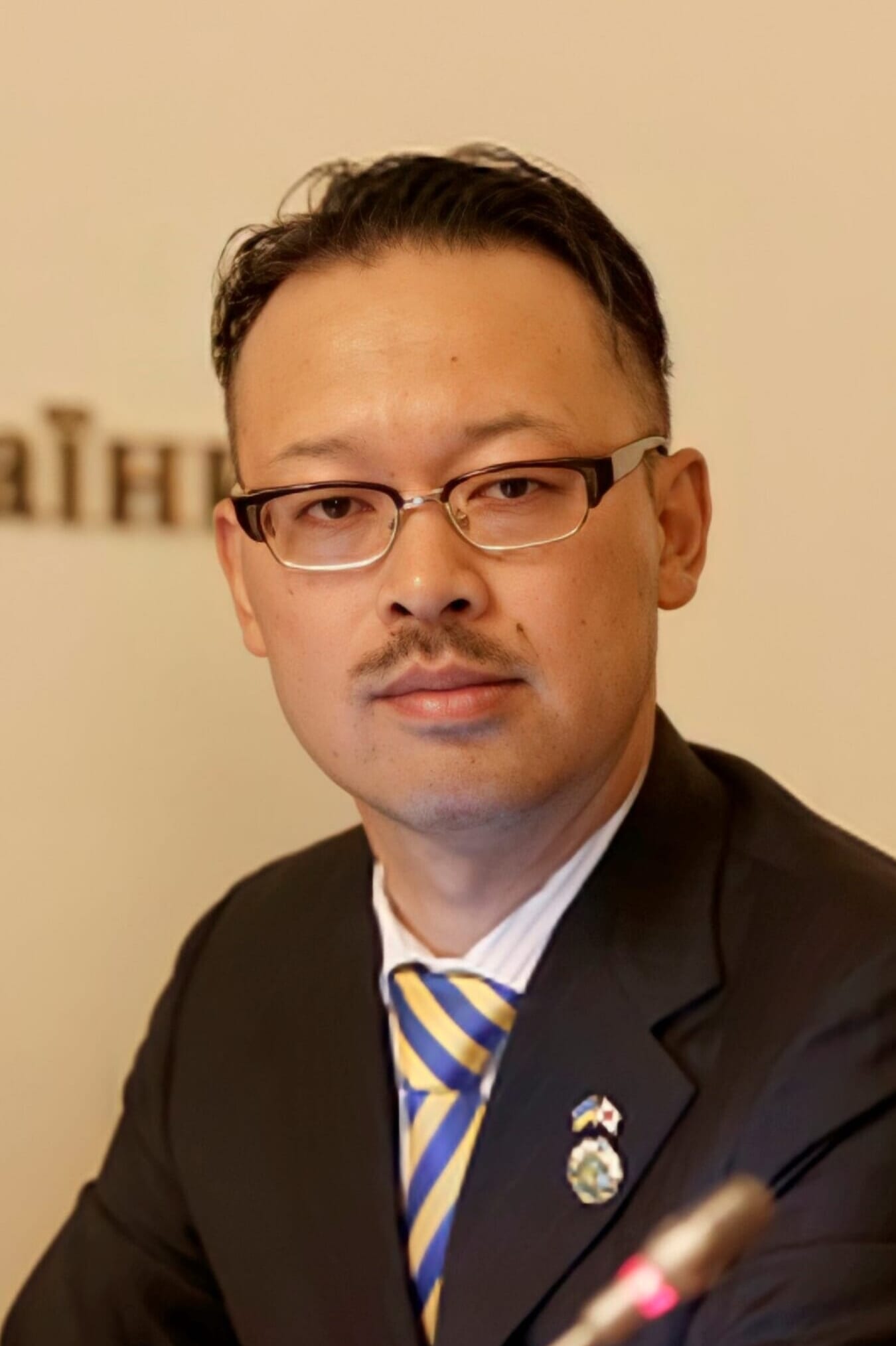
1973年生まれ。
神戸学院大学経済学部教授、ウクライナ研究会(国際ウクライナ学会日本支部)会長。日本人初のウクライナ国立農業科学アカデミー外国人会員。2021年にウクライナ内閣名誉章、2023年にウクライナ最高会議名誉章。