





Yukari (Doctor / Obstetrician and Gynecologist)
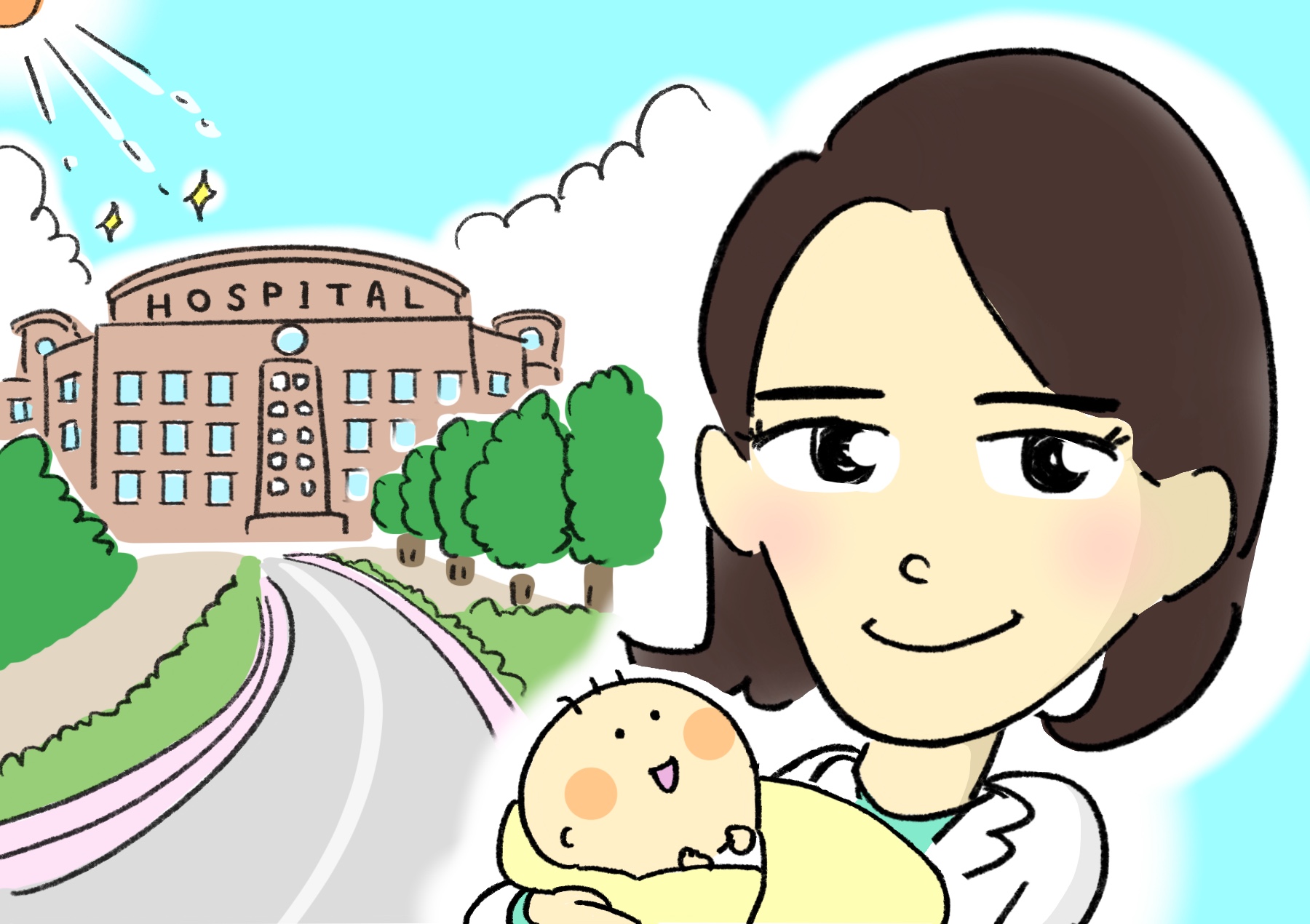
Doctors treat illnesses and injuries in hospitals and are also involved in research on new diseases and the development of new drugs, and have an important job that involves taking care of people's lives. We asked Dr. Yukari, an obstetrician/gynecologist who supports childbirth, to tell us about such a doctor's work.
What kind of work does a doctor do?
My job is as an obstetrician/gynecologist. A physician's main job is to treat patients with illnesses. When you are sick and go to a pediatrician, the doctor you see is called a clinician. Their job is to actually see the patient face to face, determine what kind of disease the patient is suffering from and how painful it is, and arrange for the necessary medication. On the other hand, there are also doctors called "research doctors. They do not usually meet you. They work at universities and research institutes to develop new medicines and treatment methods.
What is your day like at OB/GYN?
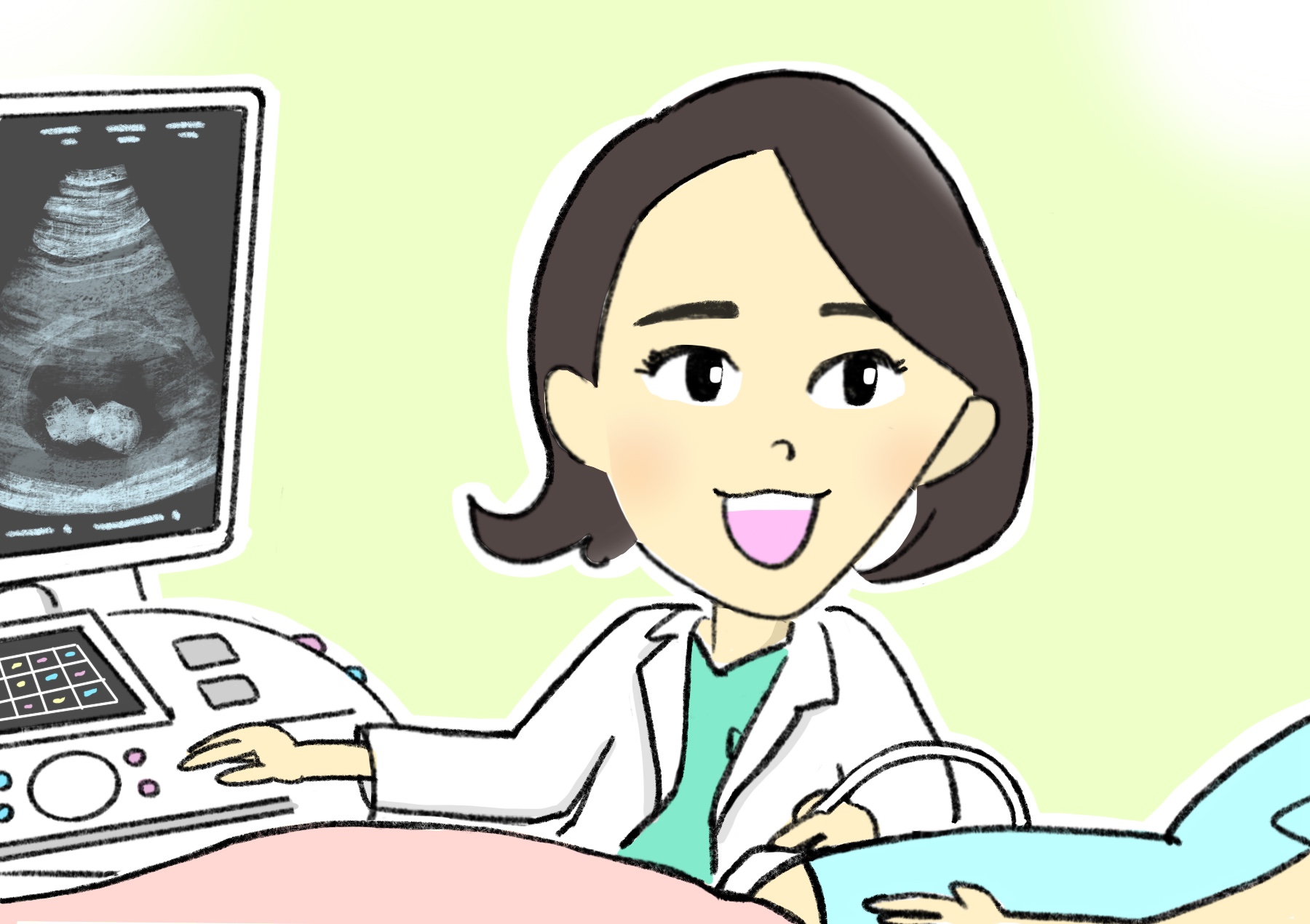
The term "obstetrics and gynecology" conjures up images of a hospital where pregnant women go until they give birth to a baby, but in fact, it is also a specialty department that treats cancers specific to women and diseases of the ovaries and uterus. I would like to introduce a day in the life of an obstetrician and gynecologist.
In the morning, I go to the hospital at around 7:30 a.m. to greet patients who are in the hospital, and from around 9:00 a.m., I start examining patients in the outpatient clinic. I do a lot of prenatal checkups for pregnant women. When an ultrasound machine is placed on the belly of a woman who is expecting a baby, we can see the baby moving. We check to see if the baby's heart is beating well and if there are any abnormalities in the mother or the baby. Later, while you are having lunch, you may receive a call from the nurse. This is an emergency call, such as the baby's heart rate is dropping in the delivery room. In such cases, we examine the baby immediately and sometimes there is not much to worry about, while other times we may decide to perform an emergency surgery. In such cases, we perform a procedure called an emergency C-section. In this surgery, the abdomen is cut with a scalpel and the baby is removed. After the surgery is successfully completed and a healthy baby is born, the baby is taken to a clean neonatal room to help with post-operative recovery. After that, we prepare for the next day's medical examination, or if there is a surgery scheduled, we prepare for it and go home. Every day really flies by.
What are some of the challenges and joys?
The field of obstetrics and gynecology also treats difficult diseases and cancers that occur only in women. Therefore, there are times when important patients die, and it is really sad when that happens. Even in childbirth, it is not always safe and healthy for a baby to be born. Many unexpected things always happen. It is a difficult job to carry the weight of two lives, not only the mother but also the baby in the belly. On the other hand, it can also be very joyful. I am very happy when the baby and mother return home in good health after overcoming a difficult delivery. Also, when I receive a "thank you" after a painful or difficult illness is cured, I feel very happy that I did my best and that it was worthwhile.
How can I become a doctor?
First, after graduating from high school, students enroll in a university medical school. After studying medicine for six years, students take the national medical examination and, if they pass, receive a medical license. After two years of training as an apprentice doctor, students are required to specialize in a particular field. There are many specialty departments, including obstetrics and gynecology, ophthalmology, and otolaryngology. Specialists specialize in treating patients in their field of expertise. Doctors of all specialties want to relieve patients' "pain" and "suffering," and they work hard every day to do so.
Is there anything that healthcare is doing to address the SDGs?
We are also working on various SDG issues in the field of healthcare. First, in terms of "health and welfare for all," we are striving to ensure that people have the same access to good medical care no matter where they live. We are working hard to solve the problem that there are many hospitals in the city center but not enough hospitals in some areas. It is also important for small clinics in towns and large hospitals to cooperate with each other so that they can refer patients immediately when they need urgent surgery or treatment. In the case of obstetrics and gynecology, we also actively hold study sessions to inform everyone about what to watch out for before and after giving birth to pregnant women.
Recently, it is also important to proactively accept patients from Corona. Everyone in the medical field is working hard to ensure that no one is denied necessary dental treatment because they are seeing a Corona patient.
Also, in the past, doctors had a strong image of being male, but now there are more and more opportunities for any person to work as a doctor, regardless of gender. I think that disaster relief and humanitarian aid provided by hospitals are also important activities that contribute to the SDGs.
This article is based on the content of the "Language Park Special Lecture: Ask the Pros! (Sponsored by Gakken Educational, Inc. in cooperation with Blueberry, Inc.
What is Kotoba Park?
It is an online Japanese language study course for elementary school students that develops listening, speaking, and reading skills for 25 minutes per session.