




medical office work
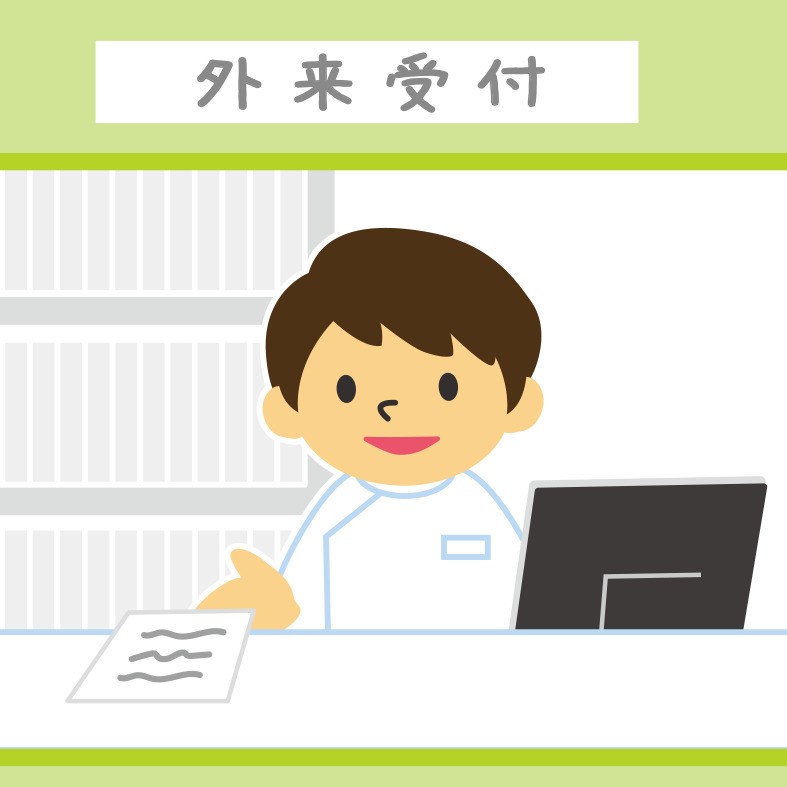
Performs clerical work at hospitals, clinics, and other medical institutions, such as calculating medical fees and entering data in patients' medical records, as well as receptionist duties.
Perfect For …
A person who can work hard and concentrate on his/her work. A person who likes to interact with people.
Job Details
Perform clerical tasks related to the hospital's medical care
The main task is to calculate the medical costs for patients visiting the hospital. Since medical expenses are expressed in terms of points, they correctly calculate and record the amount to be paid by the patient and the amount to be paid by the insurance organization based on the points. Then, they prepare bills to have the insurance company pay the medical expenses. In addition, the receptionist also performs reception, data entry of medical records, patient calls, and accounting. The ideal candidate is someone who is attentive to detail and has a kind heart, as they are often in contact with people, not just doing clerical work. Of course, proper knowledge of medical care is also necessary. One of the attractive points of this job is that you can choose how you want to work, such as temporary or part-time.
Key Points !
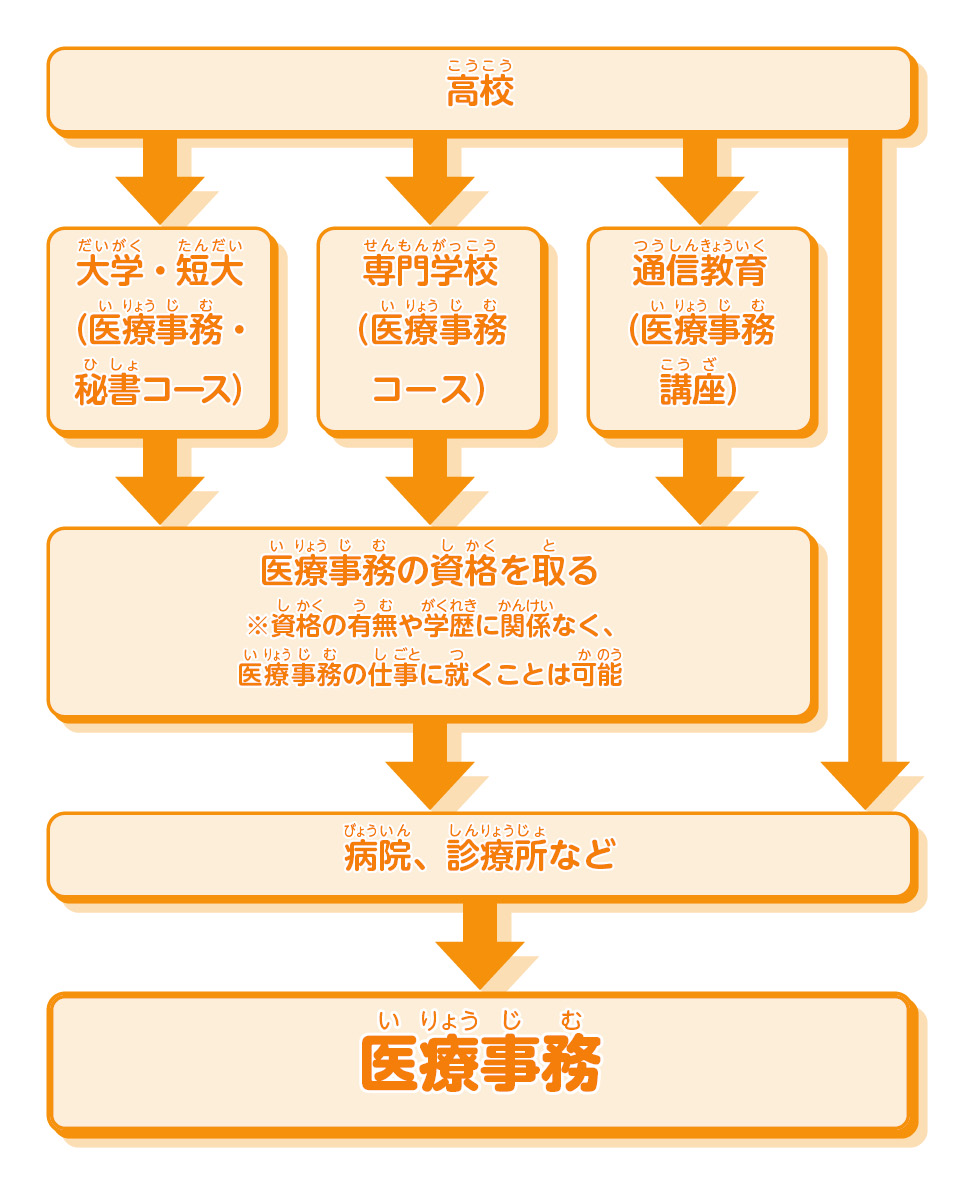
Take a medical office course and pass the certification exam to become certified.
Qualifications are not necessarily required to work as a medical clerk. However, hospitals often prefer to hire people with a little bit of specialized medical knowledge. Therefore, it is advantageous to study medical office work at a university, junior college, or vocational school. In addition, there are many qualifications related to medical clerical work, and in particular, it is a plus if you have obtained the "Medical Fee Request Administration Proficiency Test" or the "Medical Clerical Skills Test" from the private sector.
Computer qualifications should also be available.
There is the task of reading from a patient's chart the medical examinations, treatments, and prescriptions performed by the doctor and entering them into a computer. Having a computer-related qualification will give you an advantage when you actually work in the field. There is also a "Medical Computer Skills Test" sponsored by the Japan Medical Affairs Association for those who wish to become medical clerks, so it would be a good idea to take this test.
In the Future
Increasingly in demand in an aging society
In this day and age, many people are looking for a job in hand, and medical clerical qualifications are very popular. With the importance of medical care in Japan's aging society, the role of medical clerks is expected to continue to grow.
Job Facts
Income.
The average annual income nationwide is about 4.42 million yen, although it varies by region and place of employment.
Vacation?
The basic workday is Monday through Friday, but some hospitals also see patients on Saturdays and Sundays. Incidentally, at the end of the month, overtime may be required in order to submit bills to insurance agencies.
Where do you work?
Medical institutions such as hospitals and clinics. Companies that specialize in medical office work.
Your Future Path
It's a chart that shows at a glance the main routes to a medical office job!