




Musician (Classical)
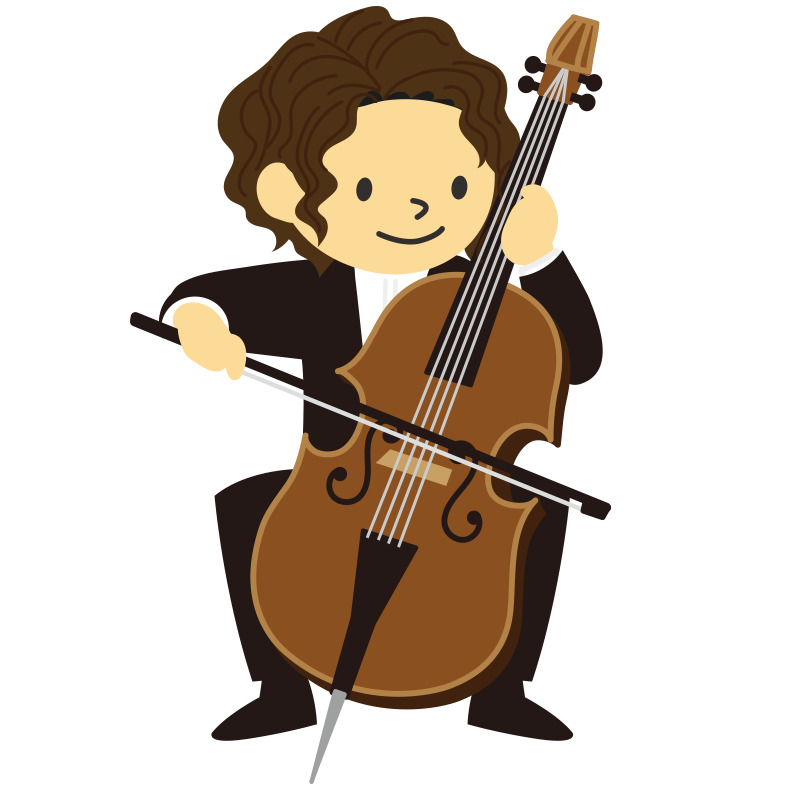
Musicians who make their living from classical music express their musical excellence through concerts and other means to move their audiences.
Perfect For …
Must love music and be sensitive. It is important to practice with perseverance, so you must have the tenacity not to give up easily. They should also have the courage and expressiveness to demonstrate their abilities in front of an audience.
Job Details
Perform in concerts and performances
Musicians can be instrumentalists, vocalists, conductors, composers, and many other forms of expression. The most common type of musician is a performer, but if one is recognized for outstanding ability, such as winning international awards, he or she can earn money by performing in concerts and performances as a soloist. There is also a way to become a member of an orchestra and continue performing. If it is difficult to make a living only by performing, they may work as an instructor at a music school or perform part-time at a hotel or restaurant, while seeking opportunities to perform at small concerts.
Key Points !
No qualifications required, but a strict world of complete meritocracy
What is required of musicians, especially performers, is how much excellence in performance technique and expression they can achieve and how much they can impress their listeners. Qualifications are not required, and the system is based on complete merit. It is important to take lessons from an expert from the early stages of one's musical aspirations and to accumulate practice. Academic background is not a factor, but if you go to a music college with excellent instructors, you will receive advanced instruction, and some young musicians go abroad to study in higher-level environments. Some young performers are even aiming to study abroad for a higher level environment. While studying, they are challenging themselves in contests, aiming for the day when they can make their debut as a soloist.
Orchestral members, teachers, and other options.
Becoming a soloist is one goal for a performer, but becoming a member of an orchestra is another option for a professional career. Orchestras usually recruit members only when they have vacancies. Many people wait for vacancies while working part-time as a teacher at a music school. They can also become professional music teachers. Leading your students to growth is as rewarding a job as being a musician who gives inspiring performances.
In the Future
There are many other venues for expression besides large concert halls.
Classical music is expected to continue to be popular, supported by a certain number of fans. Recently, there has been an increase in the number of classical street events held in town, and more and more performances are being presented on video-sharing websites. Although it is unlikely that the situation will change in the future, where only a few performers will be in the spotlight at large venues, it is likely that the opportunities for success will expand as people become more interested in enjoying and performing classical music in a more casual manner.
Job Facts
Income.
In some cases, famous soloists earn tens of millions of yen or more per year. Orchestras range from 6 to 8 million yen per year for those in their 40s, depending on the circumstances of the region where they are operated. Many people rely on side income from private lessons, etc. For example, private piano instruction to elementary and junior high school students ranges from 5,000 yen to 10,000 yen per person per month. In addition, part-time performances at hotels and other places cost about 20,000 yen for two to three hours.
Vacation?
Practicing several hours a day is essential, even when there is no work. If a concert is scheduled, they often work on weekends and holidays. Part-time performances at hotels and restaurants often require nighttime work.
Where do you work?
If you are a soloist or a member of an orchestra, your workplace will be a concert or performance venue. Other options include event venues, hotels, restaurants, and music schools. Private lessons are usually given at home.
Your Future Path
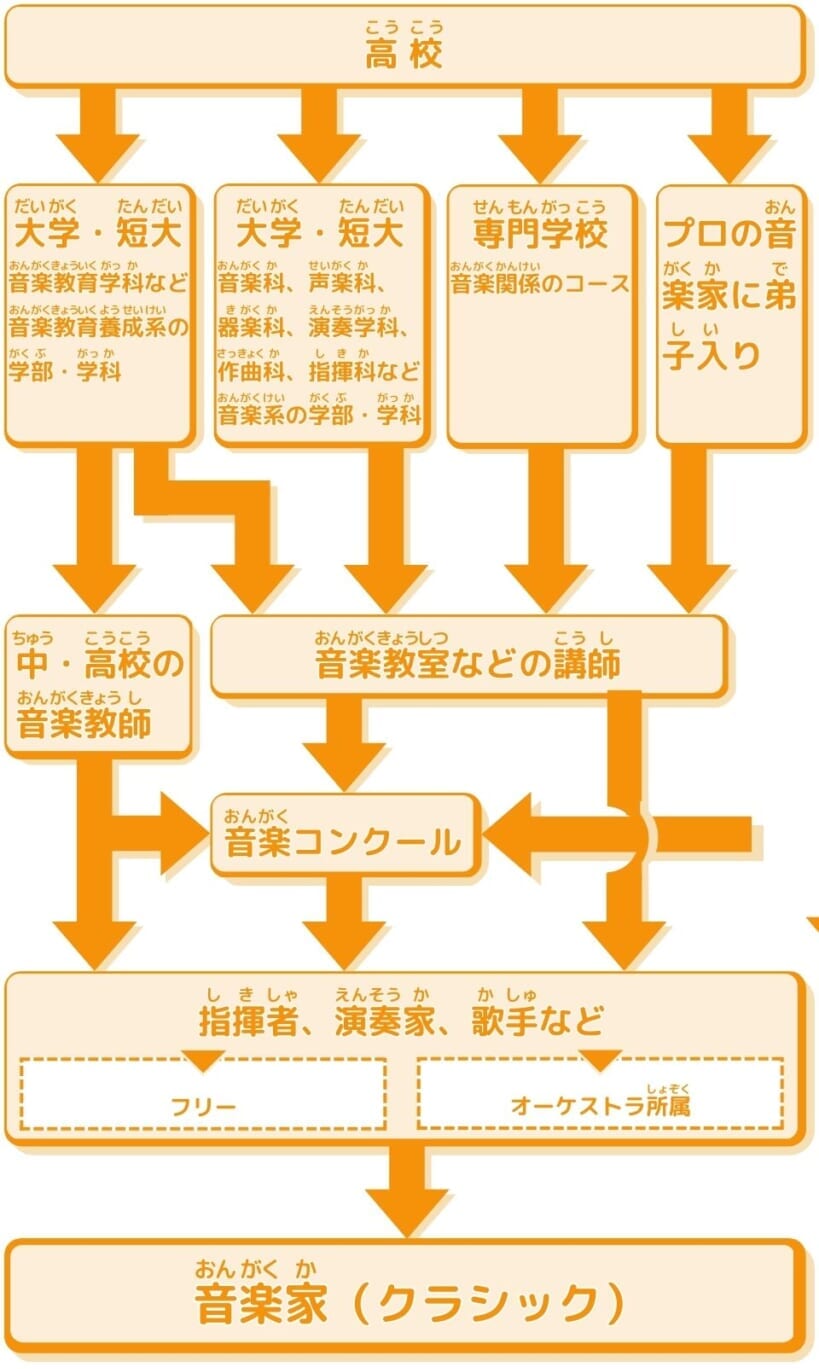
It's a chart that shows at a glance the main routes to a career as a musician (classical)!