





Private Licensure Arborist
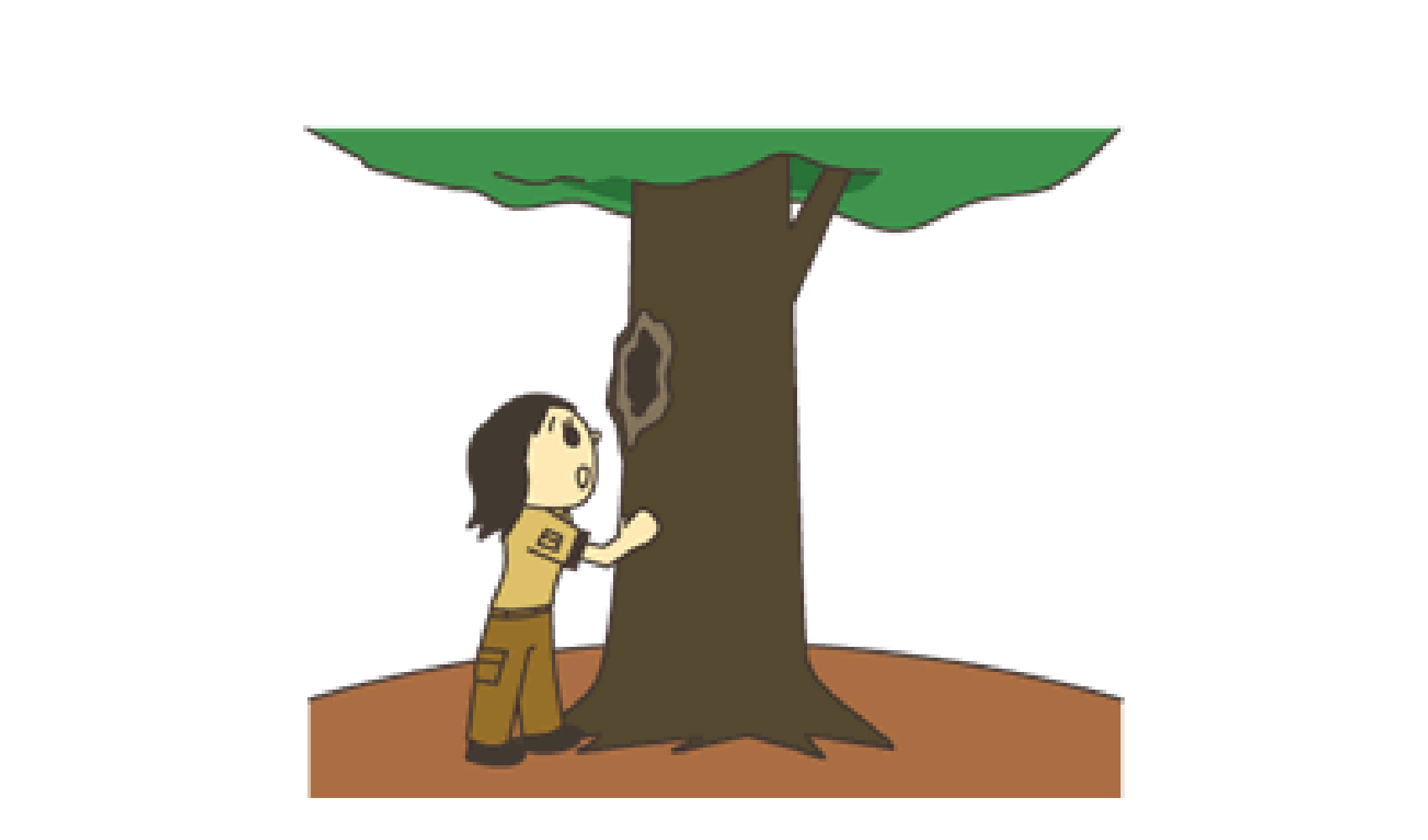
Even trees that do not speak can become sick or injured. A tree surgeon is a specialist who assesses the condition of trees and treats them. They are "tree doctors" who can solve the pain of trees.
Role as a "teacher to convey the feelings of the tree
Even trees that do not talk can become sick or injured. An arborist is a specialist who diagnoses and treats such trees. Most of their work is for diagnosis and treatment of roadside trees and other trees from local governments, but they are also asked to consult on trees in private homes.
In many cases, the pain of trees is caused by people's lack of understanding. That is why highly motivated arborists are trying to share with us correct knowledge about trees and the environment surrounding them. Although there are still less than 1,000 certified arborists in Japan, they are expected to play a significant role as "teachers who convey the feelings of trees.
Only those with the same or similar work experience as arborists are eligible to take the certification exam (they may do the same kind of work as long as they do not call themselves "arborists"). Students and those working in jobs unrelated to arboriculture are not eligible to take the exam, and the certification is intended for active professionals aiming for a higher level of certification.
In fact, many people who take the exam are employees of landscaping companies, tree-planting companies, construction consultants, and others. While some may be looking for a title, most are aiming for certification with a desire to "study more professionally.
Let's play a lot with trees and nurture your interest.
If elementary and junior high school students want to become arborists, it will be a long road, but this is a profound job, so they should take it easy and look to the future. First of all, I would like you to develop an interest in "nature in general" by observing trees and other living creatures around you. It is also important to learn the basics of plants and organisms in school science classes. It is also advisable for them to be able to speak English, since the study of trees is often more advanced in Europe and the United States. If you find a nature observation event where an arborist will be your guide, you should actively participate.
Chart until
| Finished school | There are no restrictions on educational background for the arborist exam. A post-secondary or graduate degree is acceptable, but in-depth knowledge of nature from a university or other institution is highly desirable. |
|---|---|
| Work hard for more than 7 years diagnosing and protecting trees. | The condition to be eligible to take the exam is to be employed by the company or organization concerned and to have a long working experience. |
| sit for an examination | The number of applicants is narrowed down through a written test, followed by further screening through practical training and interviews. As the popularity of the company grows, the difficulty level is also increasing. |
| Passed with flying colors! | Once you have registered your name with the relevant organization, you are a certified arborist! |
| Developing a place to work professionally. | Some arborists are creating their own forms of work, such as forming local nature preservation groups. |
contact information (for inquiries) (e.g. corporate phone number)
(財)日本緑化センター
〒107-0052 東京都港区赤坂1-9-13
三会堂ビル
TEL 03-3585-3561