





National Qualification Occupational Therapist
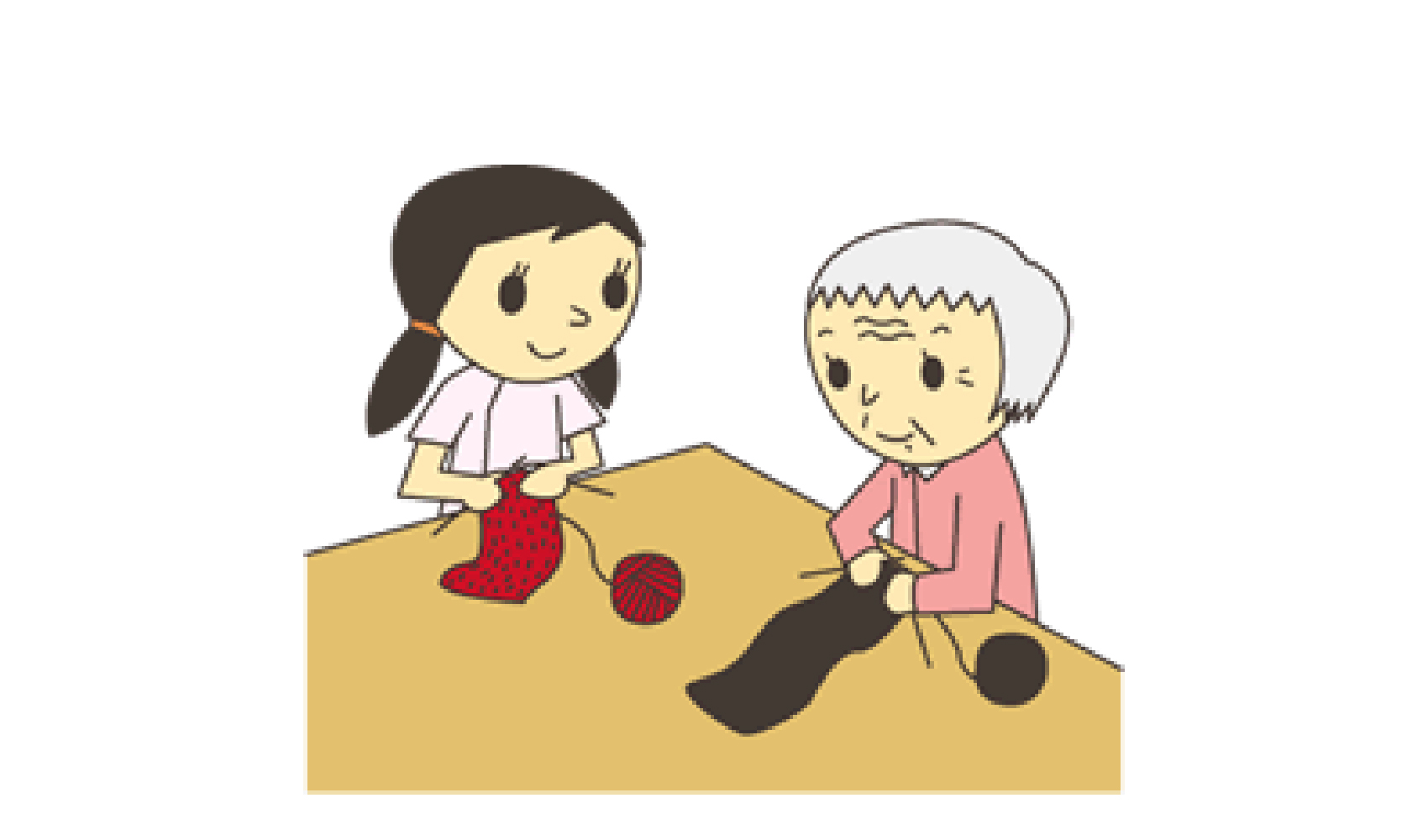
Lifestyle-based rehabilitation specialists who rebuild a person's life by helping them recover their mind and body through enjoyable activities such as handicrafts and crafts, practicing the movements necessary for daily living, and helping them return to social activities such as school and work.
Assist patients in their daily lives so that they can reintegrate into society.
There are actually many other jobs in rehabilitation besides physical therapists. Since the support needed differs depending on the patient's disability and stage of treatment, there is collaboration between various professionals.
Occupational therapists, in particular, are important professionals who "help patients regain their overall ability to lead a social life," whereas physical therapy "restores the patient's basic physical movement abilities," such as muscles and joints. In other words, the role of the occupational therapist is to provide the next stage of "specific lifestyle support for reintegration into society" to patients who have regained physical mobility through physical therapy.
The next step is to help patients recover their physical and mental functions through specific activities that give them a sense of accomplishment, such as handicrafts, crafts, and painting, for example. In addition, in order to rebuild their lives in accordance with their age, lifestyle, hobbies, and purpose in life despite their disabilities, the program assists them in acquiring the necessary daily activities and realizing social activities.
Also active in geriatric welfare facilities and mental hospitals
Occupational therapists are mainly active in hospitals and rehabilitation facilities, but they are also active in geriatric facilities and psychiatric hospitals. In geriatric facilities, occupational therapists help people with dementia find their roles and purpose in life and support their families, thereby helping them to lead lively lives. In psychiatric hospitals, occupational therapists provide a place where people with mental illness can feel safe, improve interpersonal relationships, acquire life skills, and reintegrate into society.
Occupational therapists need to have not only medical knowledge but also the skills to care for the patient as a whole and to respond to his or her painful mind, his or her desire to return to society, and the concerns of his or her family. In this sense, it is a job that straddles welfare and medicine, with a wide range of opportunities for social activities.
Chart until
| Finished school | After graduating from high school, students attend a three-year vocational school with a training course or a four-year university. There is also practical training. |
|---|---|
| Passed national examinations | There are "general questions" that test basic medical knowledge (anatomy, physiology, kinesiology, general pathology, clinical psychology, rehabilitation medicine, etc.) and "specialized questions" that test practical occupational therapy skills and knowledge. |
| Employment! | Workplaces include general hospitals and psychiatric hospitals, as well as many geriatric facilities and facilities for children and people with various disabilities. |
| Study continues after that. | It is important to keep learning about social trends and new systems, as well as specialized knowledge and skills, in order to improve your professional skills. |
Contact Us
(社)日本作業療法士協会
〒111-0042
東京都台東区寿1-5-9 盛光伸光(もりみつしんこう)ビル7階
TEL:03-5826-7871 / FAX:03-5826-7872